How Much Does an Average RV Rental Trip Cost for Beginners 2026
Curious what an RV rental trip really costs in 2026? Break down real expenses — rental fees, fuel, campsites, food, and hidden costs — with a complete beginner budget.
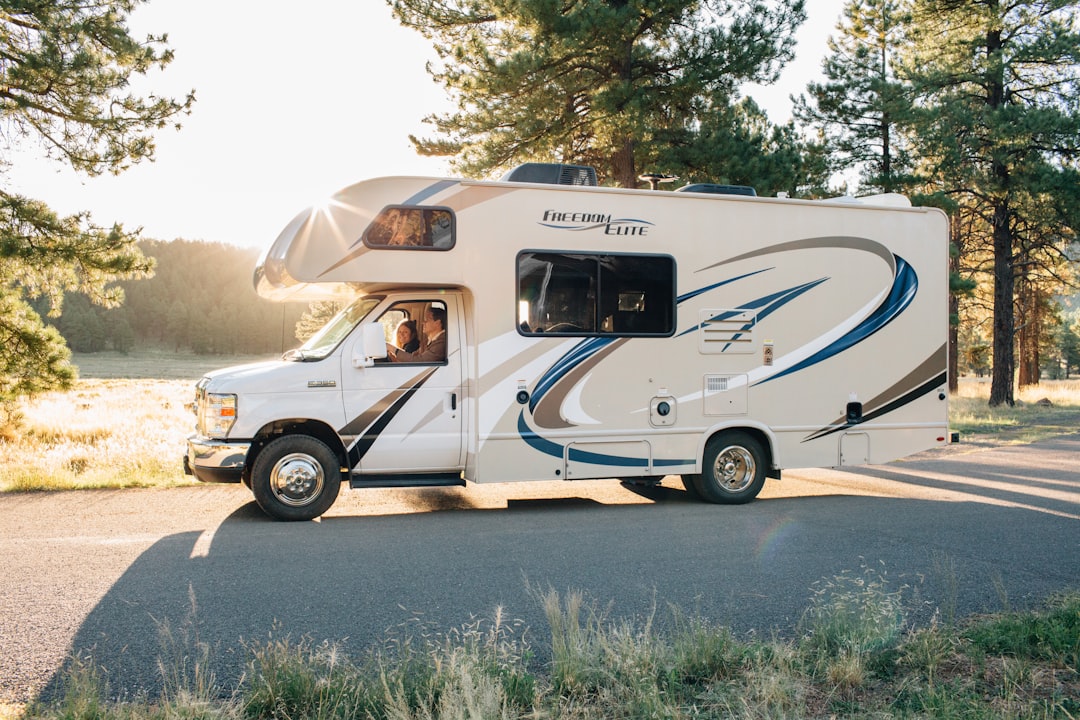
Let’s get straight to it: how much does an RV rental trip actually cost in 2026? If you’re a beginner planning your first RV vacation, the sticker shock is real. Rental rates have climbed, fuel is volatile, and campground fees vary wildly depending on location and season. But here’s the good news — with a realistic budget and some smart planning, an RV trip can be surprisingly affordable, often comparable to or cheaper than a hotel vacation for families.
The average beginner RV rental trip in 2026 costs $1,200 to $3,500 for a 7-day trip for two people, depending on the RV class, destination, and season. Families of four typically spend $2,000 to $5,000. Let’s break these numbers down category by category so you can build an accurate budget before you book.
The Five Main Expense Categories
Every RV rental trip boils down to five core expense categories. Understanding each one helps you identify where you can save and where you should budget more carefully.
- RV Rental Fee
- Fuel Costs
- Campground Fees
- Food and Supplies
- Hidden and Unexpected Costs
Let’s work through each with real 2026 numbers.
1. RV Rental Fee
The rental fee is your base cost, and it varies significantly based on the RV class, rental company, season, and how far in advance you book.
2026 Average Daily Rental Rates by Class
| RV Class | Daily Rate (Peak Season) | Weekly Rate | Typical Group Size |
|---|---|---|---|
| Class B (Camper Van) | $120–$200 | $750–$1,200 | 2 adults |
| Class C (Motorhome) | $180–$300 | $1,100–$1,800 | 2–4 people |
| Class A (Motorhome) | $250–$450 | $1,500–$2,700 | 4–6 people |
| Travel Trailer (towable) | $100–$180 | $650–$1,100 | 2–6 people |
Peak season runs from mid-June through Labor Day. Shoulder season (May and September) offers 15–25% discounts. Winter rates are the lowest but limit your destination options.
What’s Included in the Base Rate?
Most rentals include:
- 100–150 miles per day (anything over is $0.25–$0.75 per mile)
- Basic insurance coverage (may have a deductible)
- Kitchen kit (dishes, utensils, cookware)
- Bedding (optional, usually $50–$100 add-on)
- Generator usage (30–60 hours included on some plans)
- Propane (full tank, return full)
What’s NOT Included?
- Mileage overage fees
- Generator usage beyond the allowance ($2–$4 per hour)
- Cleaning fees if you return the rig dirty ($150–$400)
- Propane if you don’t return it full
- Dump fees at some locations
- Late return fees ($25–$75 per hour)
Use our RV Rental Fee Calculator to get an accurate estimate for your specific rental dates and RV class.
2. Fuel Costs
Fuel is the second-largest expense and the hardest to predict. RVs are not fuel-efficient, and the bigger the rig, the worse the mileage.
2026 Average RV Fuel Economy
| RV Class | Miles Per Gallon (Gas) | Miles Per Gallon (Diesel) |
|---|---|---|
| Class B (Camper Van) | 18–22 mpg | N/A |
| Class C (Motorhome) | 8–12 mpg | 14–18 mpg |
| Class A (Motorhome) | 6–10 mpg | 10–14 mpg |
| Travel Trailer (towable, gas truck) | N/A | N/A (depends on tow vehicle) |
Real-World Fuel Costs for a 7-Day Trip
Let’s assume 500 miles total driving (70 miles per day average):
- Class C gas motorhome at 10 mpg: 50 gallons × $3.80/gal = $190
- Class C diesel motorhome at 16 mpg: 31 gallons × $4.20/gal = $130
- Class A gas motorhome at 8 mpg: 63 gallons × $3.80/gal = $240
- Class B camper van at 20 mpg: 25 gallons × $3.60/gal = $90
These are conservative estimates. Mountain driving, high winds, and speeding all reduce fuel economy. Always add a 20% buffer to your fuel budget.
Use our RV Trip Budget Calculator to estimate fuel costs with your specific route and RV class.
3. Campground Fees
Campground fees vary enormously based on location, amenities, and time of year. Here’s what to expect in 2026:
Average Nightly Campground Rates
| Campground Type | Rate Range (Nightly) | Typical Weekly Rate |
|---|---|---|
| National Park (basic) | $35–$50 | $210–$300 |
| State Park | $30–$45 | $180–$270 |
| Private RV Park (full hookup) | $45–$80 | $270–$480 |
| Private RV Park (resort) | $80–$150 | $480–$900 |
| Dry Camping (boondocking) | Free | Free |
Full-hookup sites (water, sewer, electric) cost the most but save you from needing to dump tanks frequently and allow you to run appliances without using propane or battery power.
Total Campground Budget for 7 Nights
- Budget approach (state parks, some dry camping): $210–$280
- Mid-range (mix of state and private full-hookup): $280–$420
- Premium (all private resorts): $560–$1,050
4. Food and Supplies
Food costs depend on your eating style. Cooking most meals in the RV saves significantly over eating out.
Average Weekly Food Budget
| Eating Style | Weekly Cost (2 people) | Weekly Cost (4 people) |
|---|---|---|
| Cook all meals in RV | $150–$250 | $250–$400 |
| Mix of cooking and eating out | $250–$400 | $400–$600 |
| Eat out most meals | $400–$700 | $600–$1,000 |
Supplies to budget for:
- RV-safe toilet paper: $8–$15
- Tank treatment: $10–$20
- Paper towels, trash bags: $10–$15
- Propane refill (if needed): $20–$40
- Firewood: $15–$25 (if campfires are allowed)
5. Hidden and Unexpected Costs
This is the category that catches most beginners off guard. Budget for these or risk blowing your trip budget:
- Mileage overage: $0.25–$0.75 per mile over your daily limit. A 500-mile trip with a 700-mile allowance is fine, but a 1,000-mile cross-country trip could add $75–$200.
- Cleaning fees: $150–$400 if you return the rig with a dirty interior, unemptied tanks, or trash.
- Generator overage: $2–$4 per hour beyond your included amount. Running the AC for 4 hours a day for 7 days could cost $56–$112 in overage.
- Late return fees: $25–$75 per hour. Returning 2 hours late could cost $50–$150.
- Dump station fees: $5–$25 per dump, depending on location. Some campgrounds include dump access; others charge separately.
- Propane top-off: If you don’t return the tank full, the rental company charges a refill fee, typically $20–$50.
- Insurance deductible: If you have a claim, you’ll pay the deductible ($500–$1,500) before coverage kicks in.
- Roadside assistance: $50–$150 per call if you need a tow or tire change and didn’t purchase coverage.
Sample 7-Day Trip Budget: Two People, Class C Rental
Let’s put together a realistic budget for a 7-day Class C motorhome trip for two people in peak season, covering 500 miles total:
| Expense Category | Amount |
|---|---|
| RV Rental (7 days × $220) | $1,540 |
| Insurance Supplement | $175 |
| Fuel (500 miles at 10 mpg, $3.80/gal) | $190 |
| Campgrounds (7 nights × $50, full hookup) | $350 |
| Food (cook most meals, some eating out) | $300 |
| Supplies (toilet paper, treatment, miscellaneous) | $40 |
| Propane refill (return full) | $30 |
| Total Before Hidden Costs | $2,625 |
| Buffer for hidden/unexpected costs (15%) | $394 |
| Grand Total | $3,019 |
That’s about $430 per day for two people, or $215 per person per day. Compare that to a hotel vacation for two ($200–$400 per night for a mid-range hotel = $1,400–$2,800 for 7 nights, not including food and transport) and the RV trip is competitive — especially when you consider the freedom and flexibility it offers.
Sample 7-Day Budget: Family of Four, Class C
| Expense Category | Amount |
|---|---|
| RV Rental (7 days × $250) | $1,750 |
| Insurance Supplement | $175 |
| Fuel (600 miles at 10 mpg, $3.80/gal) | $228 |
| Campgrounds (7 nights × $55, full hookup) | $385 |
| Food (mix of cooking and eating out) | $550 |
| Supplies | $50 |
| Propane refill | $30 |
| Total Before Hidden Costs | $3,168 |
| Buffer for hidden costs (15%) | $475 |
| Grand Total | $3,643 |
That works out to about $520 per day for a family of four, or $130 per person per day. Very competitive with hotel vacations for families.
Money-Saving Tips for Beginner RV Renters
Now that you have a realistic budget, let’s look at how to lower those numbers without sacrificing the experience:
Book Early for the Best Rates
Rental companies offer early-bird discounts of 10–20% for bookings made 3–6 months in advance. Peak summer dates sell out fast, so book as soon as you know your dates.
Choose Shoulder Season
May and September offer 15–25% lower rental rates and fewer crowds. The weather is still mild in most destinations. Avoid July and August if you can — that’s peak pricing.
Pick a Smaller RV
Class B camper vans cost $50–$100 less per day than Class C motorhomes. If you’re traveling as a couple and don’t need a full bathroom, a camper van is the most budget-friendly option.
Cook Most Meals in the RV
Eating out is the biggest variable expense. Stock up on groceries at a supermarket near your starting point and cook in the RV. This alone can save $200–$400 on a 7-day trip.
Book Campgrounds With Kitchen Facilities
State parks and public campgrounds often have community kitchens or grill areas. This lets you cook without using your RV’s propane (saving you a refill fee) and keeps the rig cleaner.
Avoid Mileage Overage Fees
Plan a route that stays within your daily mileage allowance. If you’re covering long distances, prepay for unlimited mileage — it’s usually cheaper than paying overage fees.
Return the Rig Clean and Full
Avoid cleaning fees by wiping down surfaces, emptying tanks, and refilling propane before return. A 30-minute cleanup at the end of your trip can save $150–$400.
Consider a One-Way Rental
If you’re flying into one city and out of another, a one-way rental saves you the time and fuel of returning to the pickup location. Just be aware that one-way rentals often have a drop-off fee.
Join an RV Rental Membership
Services like Outdoorsy, RVshare, and Escape offer memberships that include discounts on rentals, free roadside assistance, and other perks. The membership fee often pays for itself in one trip.
Budget Checklist Before You Book
Run through this checklist to make sure your budget is accurate before you confirm your rental:
- Get the total rental price in writing, including all fees and taxes
- Confirm mileage allowance and overage rate
- Check insurance options and their deductibles
- Ask about generator usage limits and overage fees
- Find out the cleaning fee amount
- Confirm propane and fuel return requirements
- Book campgrounds and add their cost to your budget
- Estimate fuel costs using Google Maps and current gas prices
- Plan your food budget based on your eating style
- Set aside 15% of your total budget for unexpected costs
FAQ
Q: Is an RV rental trip cheaper than a hotel vacation?
A: For couples, it’s roughly comparable. For families of 4+, RVing is almost always cheaper because you’re paying one rental fee instead of multiple hotel rooms. RVing also saves on transportation since your accommodations and vehicle are one unit.
Q: What’s the cheapest time of year to rent an RV?
A: Winter (December–February) is the cheapest, with rates 30–50% below peak. The downside is limited destination options and cold weather in most of the US and Canada. Early spring (March–April) and late fall (October) are good balance of price and weather.
Q: How much should I budget for fuel per day?
A: Plan for $20–$40 per day for a Class B, $30–$60 per day for a Class C, and $50–$100 per day for a Class A, depending on your driving distance and fuel economy.
Q: Do I need a special license to rent an RV?
A: Most US states and Canadian provinces allow you to drive an RV up to 26,000 pounds with a standard driver’s license. Larger Class A motorhomes may require a non-commercial CDL or special endorsement in some states. Always verify before you book.
Q: What’s the average insurance cost for an RV rental?
A: Supplemental insurance typically adds $15–$30 per day to your rental cost. This covers collision, liability, and roadside assistance. Your personal auto insurance usually does not cover rental RVs.
Q: Can I negotiate RV rental prices?
A: Yes, especially for last-minute bookings or longer rentals. Rental companies would rather offer a discount than leave a rig sitting idle. Ask about weekly rates, monthly rates, or any current promotions.
Final Thoughts
The average 2026 RV rental trip costs $1,200–$3,500 for a week, with the range depending on your RV class, destination, and travel style. The biggest expenses are the rental fee, fuel, and campgrounds — and all three are within your control to reduce. Book early, choose shoulder season, cook your own meals, and return the rig clean to keep costs down.
Use our RV Rental Fee Calculator and RV Trip Budget Calculator to build a personalized budget for your trip. The more accurate your budget, the more relaxed and enjoyable your RV vacation will be.
Disclaimer: This guide offers general beginner educational information only. Prices and costs are estimates based on 2026 market data and may vary by region, provider, and specific circumstances. Always obtain written quotes from rental providers and verify current pricing before booking.