Boondocking Supplies Checklist for Off-Grid RV Camping
Planning your first RV trip? Learn the boondocking supplies checklist with off-grid power, water and waste tips, common mistakes and practical steps.
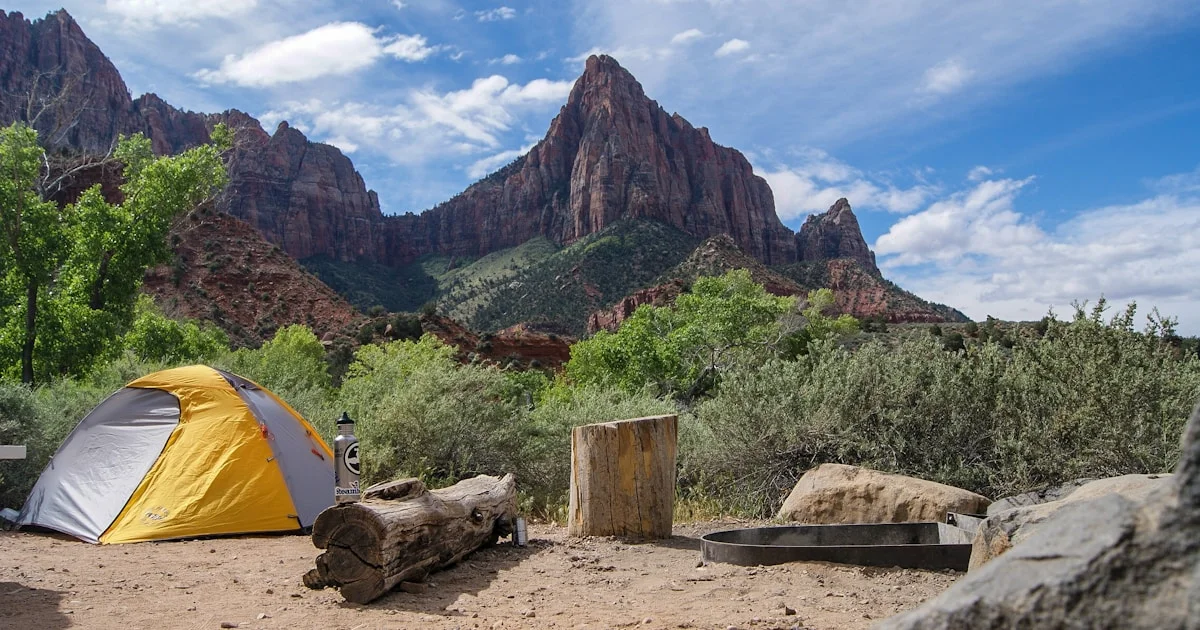
Photo by Pew Nguyen on Unsplash
Staying in a campground with full hookups is one way to experience RV travel. Boondocking, or camping off-grid without water, power, or sewer connections, is something else entirely. It is quieter, cheaper, and often more beautiful. It also demands a level of self-sufficiency that catches first-time renters off guard.
When you boondock, everything you need has to come with you. Power comes from your batteries, solar panels, or a generator. Water comes from your fresh tank. Waste goes into your holding tanks until you reach a dump station. There is no pedestal to plug into, no spigot to refill from, and no sewer connection to empty into. A boondocking supplies checklist is not optional. It is the difference between a peaceful off-grid night and a cold, dark, uncomfortable one.
This guide covers everything a first-time renter needs to boondock safely and comfortably. You will learn how to manage power, water, and waste off-grid, what gear to pack, how to prepare your rental RV, and which mistakes most often cut boondocking trips short. By the end, you will have a practical checklist you can use before heading off the grid.

Photo by Pew Nguyen on Unsplash
What Makes Boondocking Different From a Campground
A traditional RV campground provides three connections: water, electricity, and sewer. You plug in, turn on the tap, and dump your tanks whenever you want. Boondocking removes all three. You become your own utility company, and the supplies you bring determine how long you can stay.
The Three Resources You Manage
| Resource | Source | Limiting Factor | What Happens When You Run Out |
|---|---|---|---|
| Power | House batteries, solar, generator | Battery capacity and recharge rate | Lights, fridge, and devices stop working |
| Fresh water | RV fresh tank and extra containers | Tank size and usage rate | No drinking, cooking, or shower water |
| Waste storage | Black and gray holding tanks | Tank capacity | Must drive to a dump station immediately |
The goal of boondocking preparation is to balance these three resources so they run out at roughly the same time, ideally after you have decided to move on anyway.
Power Management for Off-Grid Camping
Power is the resource beginners worry about most, and for good reason. Without it, your refrigerator stops cooling, your lights go dark, and your phone dies. Understanding how your rental RV’s power system works is the first step to a successful boondocking trip.
Understand Your House Batteries
Most rental RVs have a set of lead-acid or lithium house batteries that power the living area when you are not plugged in. The battery bank stores enough power to run lights, the water pump, the refrigerator control board, and small electronics for a limited time. How long depends on the battery capacity and how conservatively you use power.
Ask the rental company what type of batteries the RV has and their approximate capacity. Lead-acid batteries should not be discharged below 50 percent, which means you only have half the rated capacity to work with. Lithium batteries can be discharged much deeper, giving you more usable power from the same rating.
Solar Panels and Portable Generators
Solar panels are the quietest way to recharge your batteries off-grid. Some rental RVs come with roof-mounted solar panels. If yours does not, a portable solar panel kit that plugs into the RV can supplement your battery charging during the day.
A portable generator is the other option. Inverter generators in the 2,000 to 3,000 watt range are common for RV use. They run on gas or propane and can recharge batteries or power high-draw appliances like the air conditioner. Be aware that many boondocking areas have generator hour restrictions, typically allowing them only during daytime.
Power Conservation Habits
The simplest way to extend your off-grid stay is to use less power. Small habits add up fast.
- Turn off lights when not in use
- Use LED lanterns or headlamps at night instead of interior lights
- Charge phones and devices during the day while solar is producing
- Avoid running the furnace fan excessively, as it draws significant power
- Skip the microwave, hair dryer, and coffee maker unless the generator is running
- Keep the refrigerator on propane instead of electric when boondocking
Water Management Off-Grid
Water is the resource that runs out fastest for most beginners. A typical RV fresh water tank holds 30 to 50 gallons. Two people using water normally can empty that tank in two to three days. With conservation, you can stretch it to four or five.
How Much Water You Actually Need
Plan for 2 to 5 gallons per person per day for drinking, cooking, and basic hygiene. This does not include showering, which uses 5 to 15 gallons per shower. Most boondockers skip the RV shower and use campground facilities, solar showers, or baby wipes for daily cleaning.
Drinking water is the priority. Bring separate gallon jugs or a water cooler for drinking and cooking. Save the fresh tank for washing dishes and flushing the toilet. This extends your tank water significantly.
Water Conservation Tips
- Use a spray bottle to rinse dishes instead of running the tap
- Take Navy showers: turn water on to wet, off to lather, on to rinse
- Use biodegradable soap and wash dishes in a basin, not under running water
- Collect gray water from dishwashing to use for extinguishing campfires
- Flush the toilet only when necessary, and use the half-flush option if available
- Bring extra drinking water in jugs so you do not deplete the fresh tank
Bringing Extra Water
If your RV’s fresh tank is small or you plan to stay more than two nights, bring extra water. Collapsible water jugs in 5-gallon sizes are inexpensive and store flat when empty. A 12-volt water pump or a funnel with a long spout makes transferring water from jugs to the RV tank much easier.
To estimate exactly how long your water and battery resources will last, use our boondocking water and battery calculator before your trip.
Waste Management When Boondocking
Your black and gray tanks have fixed capacities. When they fill up, you have to leave. Most rental RVs have a 30 to 40 gallon black tank and a 30 to 50 gallon gray tank. Gray tanks fill faster than most beginners expect, because every drop of water from the sink and shower ends up there.
Monitoring Tank Levels
Check your tank monitoring panel daily. Keep in mind that many factory tank sensors are inaccurate, especially as the RV ages. If the gauge reads 2/3 full, assume it is nearly full and plan accordingly. The gray tank almost always fills first.
Extending Tank Capacity
- Use campground or public restrooms when available to reduce black tank filling
- Wash dishes in a basin and dump gray water at a designated station if rules allow
- Use RV-safe toilet paper to prevent clogs that reduce effective tank capacity
- Limit showers to every other day or use off-grid bathing alternatives
- Never dump gray or black water on the ground. It is illegal and harmful to the environment
When your tanks are full, use an app or website to find the nearest dump station. Many RV parks, gas stations, and travel centers offer dump station access for a small fee, typically $5 to $15.
Essential Boondocking Supplies Checklist
Beyond the standard gear you would bring to any RV trip, boondocking requires additional items to keep you comfortable and self-sufficient off the grid.
Power and Electrical Supplies
- Portable solar panel kit (if the RV does not have roof solar)
- Portable inverter generator with fuel
- Extra fuel cans for the generator, stored safely outside the RV
- Heavy-duty extension cord for generator connection
- Power strip with surge protection for charging multiple devices
- Portable battery pack or power bank for phones and tablets
- 12-volt USB car charger for charging devices from the RV
Water and Waste Supplies
- Extra drinking water in gallon jugs or a water cooler (minimum 5 gallons per person)
- Collapsible water jugs for refilling the fresh tank
- 12-volt water transfer pump or funnel with long spout
- Spray bottles for rinsing dishes and hands
- Biodegradable dish soap
- Basin for dishwashing
- RV-safe toilet paper
- Extra waste tank treatment chemicals
- Disposable gloves for dump station visits
Leveling and Site Setup
Boondocking sites are rarely level. Bring the same leveling gear you would use at a campground.
- Plastic leveling blocks
- Wheel chocks
- Small bubble level
- Outdoor rug to keep dirt out of the RV
Navigation and Safety Gear
Cell service is often nonexistent when boondocking. Prepare accordingly.
- Offline maps downloaded to your phone
- Physical paper maps of the area
- GPS device with topographic maps if available
- Satellite messenger device for emergencies in remote areas
- First aid kit
- Extra food and water for at least one extra day beyond your planned stay
- Warm clothing and sleeping bags rated for the expected temperature
For a broader packing list that covers your general RV needs alongside boondocking-specific items, use our RV packing checklist tool. To make sure you have the everyday essentials covered, review our essential RV gear checklist first.
Common Beginner Mistakes for Boondocking
- Underestimating water usage: Two people can drain a 40-gallon tank in two days without conservation.
- Forgetting extra drinking water: The fresh tank is for washing and flushing. Bring separate drinking water.
- Running the generator all night: Most boondocking areas prohibit generator use after quiet hours.
- Not monitoring tank levels: A full gray tank forces an unplanned trip to the dump station.
- Arriving after dark: Setting up a boondocking camp in the dark is difficult and potentially unsafe.
- Leaving trash behind: Pack out everything you bring. Leaving trash threatens access for everyone.
Practical Boondocking Preparation Checklist
Run through this list before you head off-grid:
- Fresh water tank filled to capacity
- Extra drinking water packed (5 gallons per person minimum)
- House batteries fully charged before departure
- Solar panels or generator tested and ready
- Extra fuel for generator stored safely
- Black and gray tanks empty before leaving the last campground
- Tank treatment chemicals added
- Propane tanks full for refrigerator and furnace operation
- Leveling blocks and wheel chocks packed
- Offline maps downloaded and paper maps on hand
- Emergency communication device tested
- First aid kit stocked and accessible
- Extra food for at least one day beyond the planned stay
- Warm clothing and bedding appropriate for overnight temperatures
- Dump station locations identified along your exit route
Choosing a Boondocking Site
Where you park matters as much as what you bring. Look for sites on public land managed by the Bureau of Land Management or the US Forest Service, where dispersed camping is generally allowed for free up to 14 days. In Canada, similar opportunities exist on Crown land in many provinces.
Arrive during daylight hours. Driving a large RV down an unfamiliar dirt road in the dark is a recipe for getting stuck or damaging the undercarriage. Scout the road on foot or in a tow vehicle if possible before bringing the RV in. Look for a flat, level area with enough room to turn around. Avoid parking under dead trees or on soft ground that could trap the RV after rain.
Check for cell service before you commit to a site. If you have no service and no satellite communicator, make sure someone knows your planned location and expected return date. A simple check-in plan is one of the most important safety steps you can take when boondocking.
Conclusion
A boondocking supplies checklist is your roadmap to a successful off-grid RV experience. The three resources you manage, power, water, and waste, determine how long you can stay and how comfortable you will be. Bring extra drinking water, understand your battery and solar setup, monitor your tank levels daily, and conserve aggressively. The reward is some of the most peaceful and scenic camping you will ever experience, often for free and far from the crowds. Use the checklist above before your first boondocking trip, estimate your resource needs with our boondocking water and battery calculator, and always leave your site cleaner than you found it.
Disclaimer: This guide offers general beginner educational information only. Complex RV mechanical maintenance, repairs and safety adjustments should be completed by certified RV professionals. Always follow your RV rental company and vehicle manufacturer instructions.
Quick answers