National Park RV Camping Guide: Reservations and Size Limits
Planning your first RV trip? Learn national park RV camping booking and size limits with beginner-friendly tips, common mistakes and practical checklists.
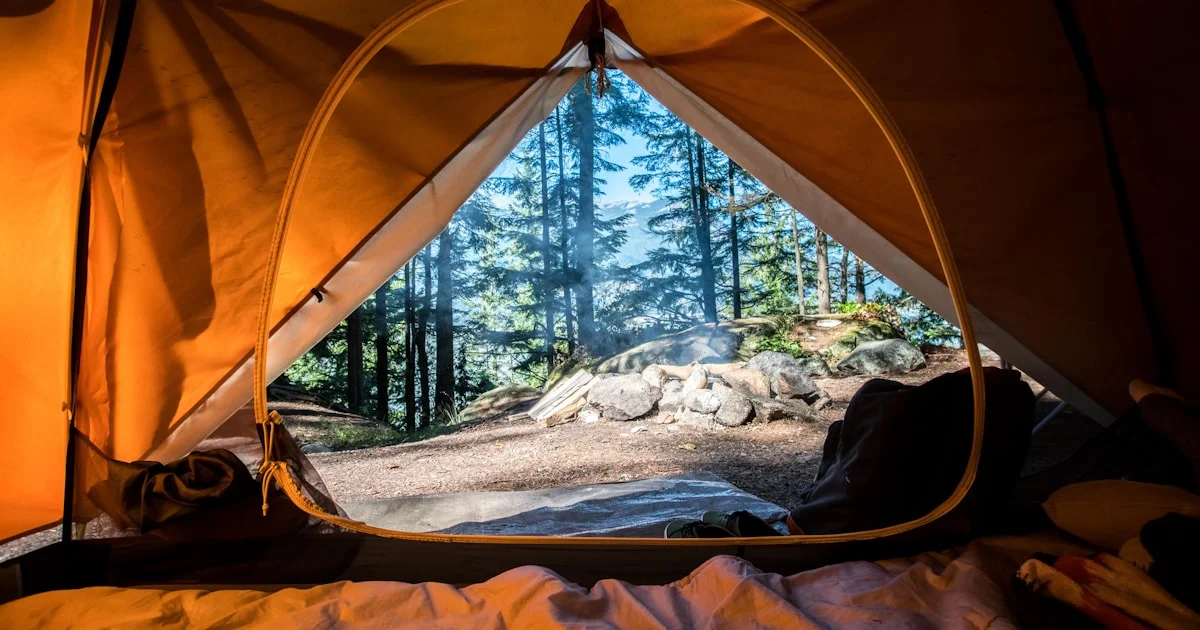
Photo by Aaron Burden on Unsplash
National park RV camping is the dream that pulls many first-time renters into RV travel. Waking up inside the park, steps from a trailhead, beats driving in from a hotel miles away. But booking a site and fitting your rig into a national park campground involves rules that catch beginners off guard. Limited reservations, strict size limits, and few hookups mean you need to plan ahead more than for a typical private RV park.
This guide covers how to secure a national park campsite, understand RV length limits, and prepare for the dry or partial-hookup conditions you will find inside the parks. You will learn the booking windows that matter, what to check on a site listing, and how to set up your rental RV for a comfortable stay. Whether you are targeting Yellowstone, the Grand Canyon, or a smaller park, these tips help you land the right site and avoid surprises.
Start by taking our find RV campsite quiz to narrow down which type of campground fits your RV and travel style, then dig into the reservation details below.

Photo by Aaron Burden on Unsplash
How National Park Campground Reservations Work
Nearly all national park campgrounds reserve through Recreation.gov, which uses a rolling window. Most sites open for booking six months in advance at a specific time (often 10:00 AM Eastern), and the most popular campgrounds fill within minutes.
Key facts to know before you try to book:
- The six-month window is rolling. If today is January 22, sites for July 22 become available today.
- Some parks use a same-day or one-month window. A few, like Yosemite, operate on a lottery or shorter rolling window. Always check the specific park page.
- First-come, first-served sites still exist. Many parks hold 20 to 50 percent of sites for walk-ups, but these are unreliable in peak season.
- You can modify reservations. If you snag a site but need to tweak dates, Recreation.gov allows changes if availability exists, minus a small fee.
For the broader process of comparing campground types and booking steps, read our guide on how to book an RV campsite. It walks through private parks, state parks, and national parks side by side.
Understanding RV Length Limits in National Parks
Length limits are the single most common reason beginners get turned away or stuck at a national park campground entrance. Limits exist because park roads, pull-throughs, and site pads were often built decades ago for smaller rigs.
How Length Limits Work
- Each campground and even each individual site has a stated maximum RV length.
- Limits usually range from 20 feet (small campgrounds) to 40 feet (a few modern sites).
- The limit often refers to the combined length of your RV and tow vehicle, or just the motorhome, depending on the park.
- Slide-outs count toward your total width and must fit within the site pad.
How to Find Your RV Length
Check your rental listing for the exterior length, then add a few feet of buffer for hitch gear or bumpers. If you are unsure, ask the rental owner directly. Booking a site your RV cannot physically fit into means losing the reservation or trying to wedge into a too-small spot, which damages both the site and your nerves.
If you have not chosen an RV yet, read our guide on what size RV is right for first-time renters. Matching RV size to your destination parks early prevents booking conflicts later.
Popular National Parks: RV Length Limits and Reservations
The table below summarizes RV length limits and reservation systems for several popular national parks. Always verify current limits on the park website or Recreation.gov before booking, because rules change and individual campgrounds within a park may differ.
| National Park | Max RV Length (varies by campground) | Reservation System | Hookups |
|---|---|---|---|
| Yellowstone | 40 feet (some campgrounds 25 to 30 feet) | Recreation.gov | No hookups at most sites |
| Grand Canyon (South Rim) | 40 feet | Recreation.gov | No hookups |
| Yosemite | 40 feet (some 35 feet) | Recreation.gov | No hookups |
| Zion | 40 feet (some 30 feet) | Recreation.gov | No hookups |
| Glacier | 40 feet (some 25 to 35 feet) | Recreation.gov | No hookups |
| Rocky Mountain | 40 feet (some 30 feet) | Recreation.gov | No hookups |
| Grand Teton | 40 feet (some 30 feet) | Recreation.gov | No hookups |
| Acadia | 35 feet (some 20 to 25 feet) | Recreation.gov | No hookups |
| Joshua Tree | 35 feet (some 25 feet) | Recreation.gov | No hookups |
| Great Smoky Mountains | 40 feet | Recreation.gov | No hookups |
| Olympic | 21 to 35 feet (varies widely) | Recreation.gov | No hookups |
| Arches | 40 feet | Recreation.gov | No hookups |
Note that the max RV length refers to the largest site available in the park. Many sites within each campground are shorter, so book early to secure a site that fits your specific rig.
What Hookups to Expect Inside National Parks
Most national park campgrounds offer no hookups or partial hookups. Full hookups (water, sewer, and electric at the site) are rare inside park boundaries and more common in nearby private parks.
| Hookup Type | What You Get | Common in National Parks? |
|---|---|---|
| Full | Water, electric, sewer at site | Rare |
| Partial | Electric only, or water and electric | Sometimes |
| Dry (no hookups) | Nothing at site; central dump and water fill | Very common |
Preparing for Dry Camping
If your site has no hookups, you will rely on your fresh water tank, gray and black waste tanks, and battery or generator power. A few preparations make dry camping comfortable:
- Fill the fresh water tank before entering the park.
- Top off your propane so the fridge and furnace run reliably.
- Charge house batteries fully and bring a generator if the park allows one.
- Conserve water with navy showers and minimal dishwashing.
- Plan a dump station visit on your way out.
Generator Rules and Quiet Hours
National parks generally allow generators, but with strict rules to protect the experience for other campers.
- Generator hours are usually posted at the campground entrance and run roughly 8:00 to 10:00 AM and 4:00 to 8:00 PM, though times vary by park.
- Noise limits often cap generators at 60 decibels at 50 feet. Inverter generators (common on rentals) usually meet this standard; older open-frame models may not.
- Some loops ban generators entirely. Check the campground map before booking if you rely on generator power.
- Solar panels are a quiet alternative and are welcome in all parks, though tree cover limits their effectiveness in many forested campgrounds.
If you expect to run the generator often, our RV trip planner can help you map fuel and generator stops along your route.
Choosing the Right Campground Inside a Park
Many national parks have multiple campgrounds, and they are not interchangeable. Some cater to tents only, some to small RVs, and a few to larger rigs. Use these factors to choose:
- RV length limit for each campground, listed on Recreation.gov.
- Hookup availability if you need electric for medical devices or comfort.
- Shade vs open sky if you rely on solar or want air conditioning.
- Proximity to attractions versus a quieter, less central loop.
- Cell service if you need to stay connected, though many parks have limited coverage by design.
Reading a Recreation.gov Site Listing
Each site listing includes details that matter more than the photos. Look for:
- Site type: Pull-through, back-in, or tent-only.
- Max RV length: The hard limit for that specific site.
- Driveway surface and grade: Gravel, paved, or dirt, and whether it is level.
- Sun exposure: Full sun, partial shade, or full shade (affects solar and heat).
- Hookups: Clearly listed as none, electric, or water and electric.
- Site access notes: Tight turns, low branches, or width warnings.
What to Do When Your First Choice Is Full
The reality of national park camping is that the most popular campgrounds sell out within minutes of the booking window opening. If you miss it, you still have several viable paths.
Book a Nearby Private or State Park
Private RV parks just outside park entrances almost always have availability, full hookups, and larger sites. They cost more, but they let you day-trip into the park without the stress of competing for an internal site. State parks near major national parks are often less crowded and a strong middle ground on both price and amenities.
Use a Cancellation Tracker
Recreation.gov cancellations happen constantly as travelers’ plans shift. Free and paid services scan for cancellations and alert you the moment a site opens. If you are flexible on dates, you can often land a site that was sold out weeks earlier. Check daily in the two weeks leading up to your trip, when cancellation frequency spikes.
Split Your Stay
If you cannot get a full week inside the park, combine a few nights inside with the rest of your stay at a nearby campground. Two nights inside Yellowstone plus four at a forest service site 30 minutes away often beats seven nights of fruitless refreshing on the booking page.
Common Beginner Mistakes
- Booking a site that is too short for the RV: Always verify max length against your rental length plus a buffer.
- Missing the six-month booking window: Popular parks fill on day one. Set a calendar reminder for the exact release time.
- Assuming full hookups are available: Most national park sites are dry or partial. Plan for water and power conservation.
- Running a generator outside quiet hours: Rangers will ask you to shut it off, and repeat violations can lead to eviction.
- Ignoring site access notes: Tight turns and low branches can scratch or damage a rental RV.
- Forgetting a dump plan: With no sewer at the site, you need to know where the nearest dump station is and when it is open.
National Park RV Camping Checklist
- Confirm your rental RV exterior length and add a buffer
- Create a Recreation.gov account and save payment info before release day
- Set a calendar reminder for the six-month booking window opening
- Research two or three backup campgrounds in case your first choice is full
- Check each site listing for max RV length, hookups, and access notes
- Fill the fresh water tank and top off propane before entering the park
- Pack a generator if the campground allows one and you need power
- Locate the nearest dump station for your departure day
- Print or screenshot reservation confirmations (cell service is often weak)
- Review quiet hours and generator rules for your specific campground
Conclusion
National park RV camping rewards travelers who plan ahead. The six-month reservation window, strict length limits, and mostly dry camping conditions mean you cannot wing it the way you might at a private RV resort. But the payoff is camping inside the park, steps from the sights, with none of the daily drive-in traffic.
Start with our find RV campsite quiz to match your RV and travel style to the right campground type, then use the RV trip planner to map your route, fuel stops, and dump stations. Pair that with our how to book an RV campsite guide, and you will be ready to secure a site that fits your rig and your trip. A little preparation turns a stressful booking process into the start of a memorable adventure.
Disclaimer: This guide offers general beginner educational information only. Complex RV mechanical maintenance, repairs and safety adjustments should be completed by certified RV professionals. Always follow your RV rental company and vehicle manufacturer instructions.
Quick answers