RV Camping Etiquette: The Unwritten Rules Every Camper Should Know

Planning your first RV trip? Learn campground etiquette, quiet hours and site boundaries with beginner-friendly tips, common mistakes and checklists.

RV Camping Etiquette: The Unwritten Rules Every Camper Should Know

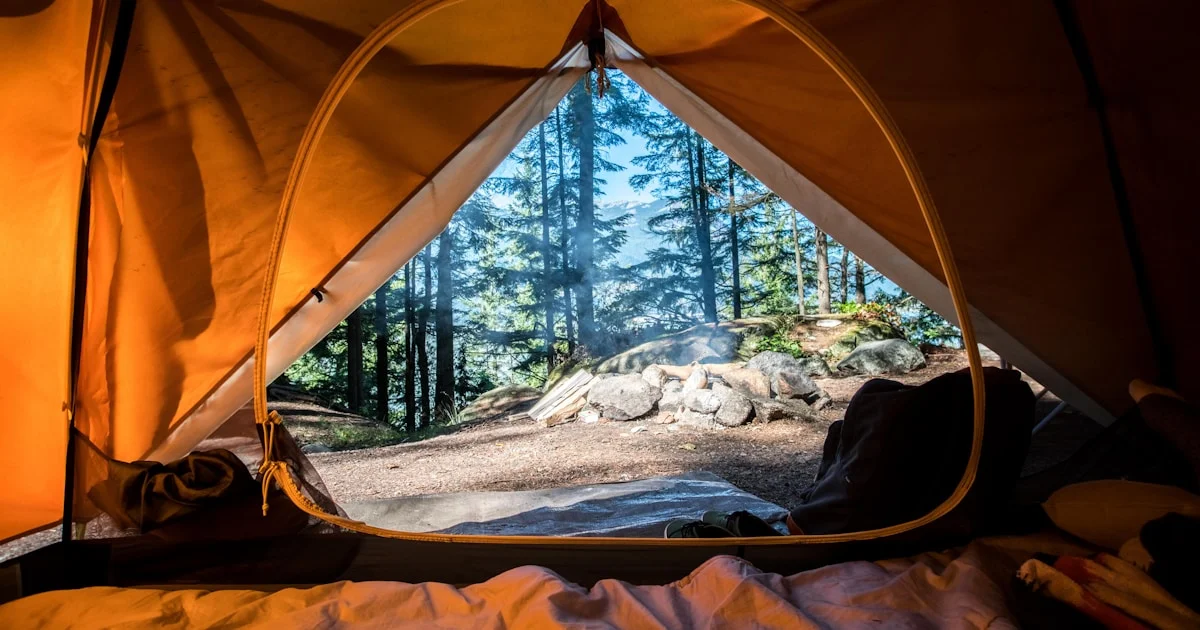
Photo by Joshua Woroniecki on Unsplash

RV Camping Etiquette: The Unwritten Rules Every Camper Should Know

Every campground has written rules. Most also have a set of unwritten expectations that experienced campers know and beginners learn the hard way. Rv camping etiquette is not about rigid formality. It is about sharing a small space with strangers and making sure everyone enjoys their stay, including you.

If you are renting an RV for the first time, you might worry about doing something wrong. The good news is that campground culture is generally welcoming and forgiving. Most seasoned RVers remember their own first trip and are happy to help. But a little knowledge goes a long way, and knowing the basics before you arrive means you can relax instead of second-guessing yourself.

This guide covers the etiquette that matters most: arrival and setup, noise and quiet hours, site boundaries, shared facilities, pets, and campfires. You will learn what to do, what to avoid, and how to handle the occasional awkward moment. We also include the most common etiquette mistakes first-timers make and a checklist to run through at each stop.

Arrival: Setting the Tone for Your Stay

How you arrive matters more than you might think. Pulling into a campground at 9 p.m. with headlights blazing and a diesel engine rumbling makes an impression, just not the one you want. When possible, arrive during daylight hours, ideally before the office closes so you can check in properly.

If you must arrive late, follow a few simple courtesies:

  • Drive slowly through the campground, 5 mph or less.
  • Use parking lights instead of headlights if the layout allows.
  • Set up only the essentials: level the rig, plug in power, and connect water if needed.
  • Save awnings, outdoor furniture, and full setup for morning.
  • Keep voices low. Sound carries further than you think in a quiet campground.

When you check in, the host or ranger will usually give you a map, point out your site, and mention the quiet hours and bathhouse location. This is a good time to ask about anything unclear, like where to dump trash or whether fires are currently allowed. If you need help finding your site or backing in, ask. Camp hosts assist with this constantly.

Before you book, the guide to booking an RV campsite walks through reservation systems, site types, and what to look for in campground reviews. Knowing the layout before you arrive makes the whole arrival smoother.

Site Boundaries: Your Temporary Yard

Your campsite is your space for the duration of your stay. Everything else belongs to someone else. This sounds obvious, but it is the source of most campground friction.

Keep your rig, your slide-outs, your awning, and your vehicles within the site boundaries. Most sites are marked by a post, a fire ring, or a picnic table that defines the edge. If your RV is wider than the site allows, talk to the host before extending slides over the line or parking a tow vehicle on the neighbor’s grass.

Outdoor gear stays on your site too. Chairs, rugs, grills, and toys should not sprawl into the road or the adjacent site. A small outdoor rug under your awning is fine and common. A rug plus three chairs plus a grill plus a hammock strung between your rig and the site boundary marker is too much.

Noise and Quiet Hours

Noise is the number one source of campground complaints. Rv camping etiquette around sound comes down to awareness and timing.

Generator Use

Generators are necessary for boondocking but annoying to neighbors in close-packed campgrounds. Most parks restrict generator hours, often allowing them only from 8 a.m. to 10 a.m. and 4 p.m. to 8 p.m., or banning them entirely during quiet hours. Even during allowed hours, place your generator as far from neighboring rigs as practical and consider a quiet inverter model if you rent one.

If your RV has an onboard generator, the same rules apply. Running it at 6 a.m. to make coffee is a quick way to make enemies.

Voices, Music, and TV

Outdoor speakers are a frequent complaint. Keep music at a volume where you can hear it but your neighbor cannot. Better yet, use headphones or a small Bluetooth speaker positioned close to your chairs. The same applies to TV volume if you watch outside.

Conversations carry. A normal talking voice is fine during the day, but late evening calls for lower volume, especially if your site is near others. Laughing around a campfire at 11 p.m. travels further than you think.

Quiet Hours

Most campgrounds define quiet hours as 10 p.m. to 6 a.m. Some start at 9 p.m. During quiet hours:

  • No generators.
  • No loud music or TV.
  • Voices at a whisper if you are outside.
  • No idling engines or running equipment.

If you need to leave early in the morning, pack as much as possible the night before and keep departure noise to a minimum.

Forest campground with RVs parked among tall trees

Photo by Joshua Woroniecki on Unsplash

Shared Facilities and Common Areas

Bathhouses, laundry rooms, dump stations, and trash areas are shared resources. Treat them the way you would want the next person to treat them.

Bathhouses: Keep showers short, especially in busy campgrounds where lines form. Wipe down the sink area after use. Do not leave personal items behind. If the bathhouse has a sign-in system for peak hours, follow it.

Dump stations: The dump station is often the busiest spot in the campground on checkout morning. Have your hoses ready before you pull up. Move efficiently and do not linger. If someone is waiting, finish your dump and pull forward so they can access the station while you cap your hoses and stow gear. Never leave a mess.

Trash: Use the provided dumpsters or bins. Do not leave trash bags beside a full bin, where animals can scatter them. Break down boxes before tossing them. Recycling rules vary by park, so check posted signs.

Shared fire pits and picnic areas: If your site does not have a fire ring and you use a communal one, do not monopolize it for the entire evening. Keep your group size reasonable and welcome others who want to join.

Pets: Good Neighbor Practices

Pets are welcome at most campgrounds, but pet etiquette is non-negotiable. A few rules apply everywhere:

  • Keep dogs leashed at all times, even well-trained ones. The leash rule protects your dog, other dogs, and wildlife.
  • Pick up after your pet immediately. Every time. Carry bags on every walk.
  • Do not leave a barking dog unattended in the RV. If your dog barks when alone, take them with you or arrange for someone to stay.
  • Keep pets off other people’s sites. Not everyone is comfortable around animals.

If you are still choosing a campground, the find an RV campsite quiz helps you narrow options based on pet-friendliness and other priorities.

Campfires: Enjoy Without Annoying

Campfires are part of the appeal, but they require awareness. Before you light one, check the current fire rules. During dry seasons, many parks impose fire bans that apply to wood fires, charcoal grills, and sometimes even propane fire pits.

When fires are allowed:

  • Use the provided fire ring. Do not build a new one.
  • Keep the fire size reasonable. A bonfire is unnecessary and sends smoke into neighboring sites.
  • Do not burn trash, plastic, or treated wood. These create toxic smoke and are prohibited everywhere.
  • Never leave a fire unattended. Extinguish it completely before bed or before leaving the site. Water and stir the ashes until they are cold to the touch.

Smoke direction matters. If the wind is blowing smoke directly into your neighbor’s open windows, either wait for the wind to shift, move the fire to the other side of the ring, or skip it that evening.

Setting Up and Breaking Down

The way you handle your site setup and teardown affects everyone around you. Use the RV campsite setup checklist to streamline the process and avoid common errors.

A few etiquette points during setup:

  • Do not block the road while backing in. If you need multiple attempts, that is normal, but pull forward and let other rigs pass if they are waiting.
  • Keep leveling blocks, hoses, and power cords tidy. Coiled hoses and contained cords look better and are safer.
  • Position your outdoor living area so it faces your site, not your neighbor’s door or windows.

On departure day, leave the site as you found it. Pick up all trash, extinguish any fire remnants, and return the picnic table to its original spot if you moved it. If the site has a fire ring, clean out cold ashes only if the park requests it. Some parks prefer you leave ashes for the host to manage.

Common Beginner Mistakes

  • Arriving late and doing a full, noisy setup during quiet hours.
  • Walking through neighboring campsites as a shortcut.
  • Running a generator outside posted hours or too close to another rig.
  • Leaving a dog unattended that barks inside the RV.
  • Letting an outdoor fire send smoke into a neighbor’s windows.
  • Extending slides or parking vehicles across site boundaries.
  • Monopolizing the dump station on checkout morning.

Practical Campground Etiquette Checklist

  • Arrive before dark when possible, and check in at the office.
  • Drive 5 mph or slower through the campground.
  • Keep all gear, slides, and vehicles within your site boundaries.
  • Observe posted quiet hours, usually 10 p.m. to 6 a.m.
  • Run generators only during allowed hours and far from neighbors.
  • Leash pets, pick up after them, and never leave a barking dog alone.
  • Check fire rules before lighting anything.
  • Keep campfire smoke from drifting into neighboring sites.
  • Use shared facilities courteously and leave them clean.
  • At the dump station, move efficiently and pull forward when done.
  • On departure, leave the site as you found it.

Wrapping Up

Rv camping etiquette comes down to respect for the people camping near you and the space you all share. The rules are simple: keep noise down, stay on your site, manage your pets, and leave shared facilities clean. Do those things and you will fit right in at any campground, even on your very first trip.

If you are still figuring out where to stay, the find an RV campsite quiz matches you with campground types that suit your style. Once you have a site booked, the RV campsite setup checklist walks you through arrival step by step so you can settle in smoothly and start your trip on the right foot.

Disclaimer: This guide offers general beginner educational information only. Complex RV mechanical maintenance, repairs and safety adjustments should be completed by certified RV professionals. Always follow your RV rental company and vehicle manufacturer instructions.

Quick answers

Frequently Asked Questions

What are quiet hours at most RV campgrounds?
Most campgrounds enforce quiet hours between 10 p.m. and 6 a.m., though some start at 9 p.m. During quiet hours, keep voices low, turn off generators, and avoid running noisy equipment. If you arrive late, set up only what you need and finish the rest in the morning.
Can I walk through another camper's site?
No. Walking through someone else's campsite is considered rude in every campground. Their site is their temporary private space. Always use roads or designated paths to reach the bathhouse, dumpster, or trailhead, even if cutting through a site saves time.
How close can I park my RV to the next site?
Stay within the defined boundaries of your site, which are usually marked by a picnic table, fire ring, or posts. Keep slides, awnings, and parked vehicles on your side of the line. If your rig is too wide for the site, ask the host before extending anything into a neighbor's space.
Are campfires allowed at every campground?
Not always. Fire rules depend on the campground, the season, and local fire danger levels. Some sites have fire bans during dry months. Always check posted rules and never leave a fire unattended. Use the provided fire ring rather than building your own.