How to Rent an RV for the First Time: Complete Beginner Checklist
A complete beginner checklist for renting an RV for the first time, covering booking, insurance, pickup walkthroughs, and first-night setup tips.
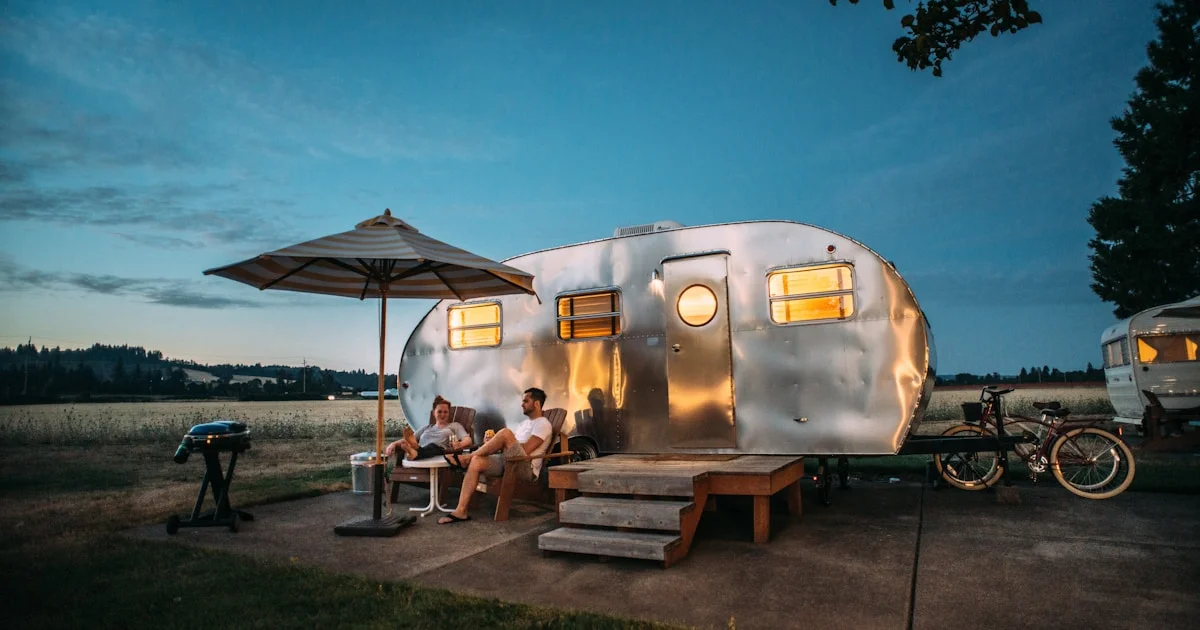
Photo by Roberto Nickson on Unsplash
Renting an RV for the first time can feel like planning a small moving day while learning to drive a bus at the same time. You have sleeping space, a kitchen, a bathroom, and a vehicle all rolled into one, which is exciting but also overwhelming if you have never done it before. The good news is that thousands of first-time renters hit the road every year, and most of them figure it out with a little planning.
This guide walks you through the full process, from deciding what to rent to returning the vehicle at the end of your trip. By the end, you will have a practical checklist that makes your first RV rental feel a lot less intimidating.

Photo by Roberto Nickson on Unsplash
Start with the Right RV Type
Before you browse listings, think about who is traveling and what kind of trip you want. A couple on a weekend getaway has very different needs than a family of five on a two-week national park tour.
- Class C motorhomes are popular with beginners because they drive like a large truck and include a bed over the cab.
- Class B camper vans are easier to park and great for solo travelers or couples who do not mind tight space.
- Travel trailers offer more living space but require a tow vehicle with the right hitch and towing capacity.
- Class A motorhomes are the largest and most luxurious, but they can be intimidating for first-time drivers.
If you are unsure which type fits your trip, read our guide on what size RV a first-time renter should choose before you book.
Choose a Rental Platform or Dealership
Most first-time renters use peer-to-peer platforms like Outdoorsy or RVshare, where private owners list their vehicles. These platforms offer a wide range of RV types, locations, and prices. Traditional RV dealerships also rent motorhomes, which can be a good choice if you want a newer fleet and a more standardized pickup process.
When comparing options, look at:
- Total nightly rate plus mileage, cleaning, and setup fees
- Minimum rental length, especially on weekends
- Insurance coverage and deductible amounts
- Cancellation policy
- Owner or dealership reviews and response time
Read the Listing Carefully
A good listing tells you almost everything you need to know. Pay attention to:
- Sleeping capacity versus number of seat belts
- Generator rules and fuel type
- Whether linens, cookware, and camping chairs are included
- Pet and smoking policies
- Delivery options if you do not want to drive the RV yourself
If something is unclear, message the owner before booking. A responsive owner is usually a good sign.
Understand the Total Cost
The nightly rate is only part of the story. Common RV rental fees include:
- Insurance: often required and bundled into the booking
- Mileage: many rentals include a daily allowance with extra fees beyond that
- Generator use: charged per hour on some rentals
- Cleaning fee: usually mandatory
- Dumping fee: if you return the tanks full
- Security deposit: held on your card and refunded after inspection
We break these down in more detail in our article about common RV rental fees to watch out for.
Inspect Before You Drive
The pickup appointment is one of the most important parts of your rental. Do not rush it. Walk around the RV and take photos or video of every scratch, dent, or stain. Check the tires, lights, mirrors, and fluid levels. Inside, test the stove, refrigerator, microwave, air conditioner, water pump, and toilet.
Ask the owner to show you:
- How to connect to shore power and water
- How to fill and empty the fresh, gray, and black tanks
- How to level the RV at a campsite
- How to operate the awning and slide-outs
- What to do if a warning light appears on the dashboard
If the owner offers a printed or digital manual, save it to your phone. You may need to reference it in the middle of your trip when cell service is weak.
What to Expect on Pickup Day
Most pickup appointments take 45 minutes to an hour. The owner will walk you through a checkout form, note the fuel and propane levels, and confirm the return time. This is your last chance to ask questions before you are responsible for the vehicle.
Bring your driver’s license, proof of insurance, and a credit card for the security deposit. Some owners also require a signed rental agreement. Take a photo of the signed documents so you have a copy.
Before you leave the lot, adjust your mirrors, fasten your seat belt, and take a few slow laps around the block if the area allows it. Get a feel for the turning radius and braking distance. Even a five-minute practice drive can boost your confidence.
Plan Your First Night Close to Home
For your first trip, stay at a campground within an hour or two of the pickup location. This gives you time to get comfortable with the RV without the stress of a long drive. It also makes it easier to return if you forgot something important or have a question.

Photo by Erol Ahmed on Unsplash
When you arrive at the campground, check in at the office and ask for an escort to your site if one is available. Many campground hosts are happy to help first-time renters back into a site. Do not be afraid to ask.
How to Handle Your First Night
Your first night in an RV is a learning experience. The refrigerator may sound different than the one at home. The water pump may hum when you open a faucet. The bed may be firmer or softer than expected. These small surprises are normal.
Before bed, walk through a simple shutdown routine. Turn off the water pump, retract the awning if wind is expected, lock the doors, and make sure all cabinets are latched. In the morning, do a quick walk-around before pulling out to make sure nothing was left behind.
Returning the RV
Plan to return the RV with the same fuel and propane levels you received. Clean out trash, wipe surfaces, and empty the tanks if your agreement requires it. Allow time for the final inspection so you are not rushing.
If you noticed any new damage during the trip, tell the owner before the inspection. Honest communication usually leads to a smoother resolution than hiding a problem.
Pack Smart, Not Heavy
Overpacking is one of the biggest mistakes new renters make. RVs have weight limits, and every cabinet has a habit of spilling open while you drive. Stick to soft-sided luggage, bring only what you need, and secure loose items before you move.

Photo by Toa Heftiba on Unsplash
Start with the essentials: clothing, toiletries, medications, phone chargers, and food. Add camping gear only if your rental does not provide it. Remember that most campgrounds have laundry facilities, so you do not need a fresh outfit for every day. A lighter RV is easier to drive, easier to level, and easier to clean before return.
Building Confidence for Future Trips
Your first rental is not about perfection. It is about learning the rhythm of RV travel. You will figure out how much water you use, how fast your battery drains, and how early you prefer to start driving. Each trip teaches you something new.
After your first rental, take notes on what worked and what did not. Did you pack too much? Did you wish you had booked a full-hookup site? Did the RV feel too large or too small? These observations will make your second rental smoother and more enjoyable.
Complete Beginner RV Rental Checklist
Use this checklist during every stage of your first rental:
- Confirm driver license requirements and rental eligibility
- Read the full listing, policies, and cancellation terms
- Verify sleeping capacity and number of seat belts
- Review total cost including fees, mileage, and deposits
- Purchase or confirm RV rental insurance coverage
- Document existing damage with photos and video
- Test all appliances, tanks, and systems at pickup
- Ask for a hands-on demonstration of hookups and leveling
- Book a nearby campground for the first night
- Pack light and secure all items before driving
- Plan fuel stops that are easy to enter and exit
- Return the RV clean, with tanks emptied if required
Common Beginner Mistakes
First-time renters often make the same avoidable errors. Here are the ones we see most often:
- Booking the biggest RV available: Bigger is not always better. Large rigs are harder to drive, park, and maneuver.
- Ignoring weight and capacity limits: Every RV has a gross vehicle weight rating. Overloading can damage the RV and create safety risks.
- Skipping the walkthrough video: Photos taken at pickup protect you from damage claims.
- Waiting until the last minute to book: Popular dates sell out, especially around holidays and national parks.
- Forgetting to dump the tanks: Returning a full black or gray tank can trigger expensive cleaning fees.
FAQ
Conclusion
Renting an RV for the first time is a learning experience, but it does not have to be stressful. Start with the right RV type, read every listing carefully, document the vehicle condition, and plan a short first trip. Once you have one successful rental under your belt, you will feel far more confident planning longer adventures.
Disclaimer: This guide offers general beginner educational information only. Complex RV mechanical maintenance, repairs and safety adjustments should be completed by certified RV professionals. Always follow your RV rental company and vehicle manufacturer instructions.
Quick answers