RV Trip Itinerary Planning Tips for First-Time Renters

Planning your first RV trip? Learn RV trip itinerary planning with route tips, campground booking advice, common mistakes and practical checklists.

RV Trip Itinerary Planning Tips for First-Time Renters

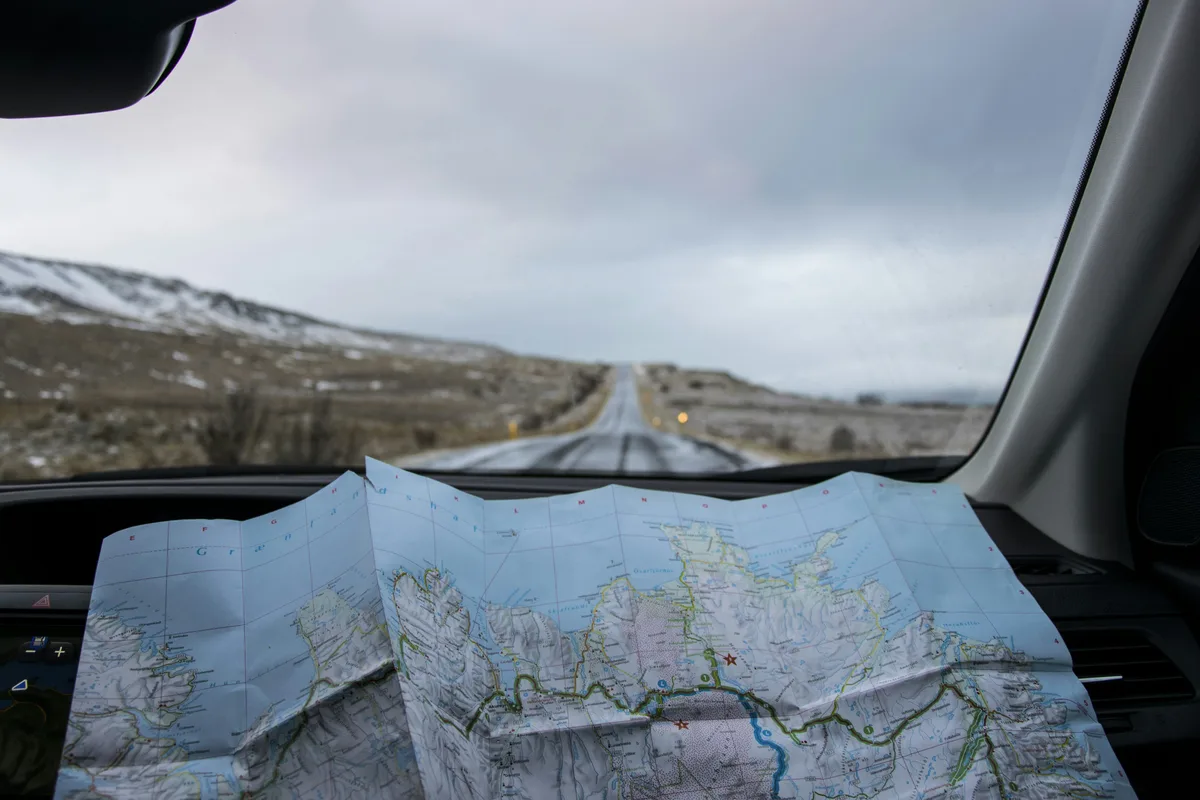
Photo by Erol Ahmed on Unsplash

Planning a road trip in a car is straightforward. You pick a destination, check the drive time on your phone, and go. RV trip itinerary planning is different. You are driving a vehicle that is longer, wider, and taller than anything you have probably operated before. You cannot take every road. You cannot park anywhere. And you need a place to sleep that has water, power, and waste connections, or at least enough space to park for the night.

First-time renters often underestimate how long it takes to travel in an RV. A 300-mile day that takes five hours in a sedan can eat up seven or eight hours in a motorhome. Add in campground check-in, setup, and a grocery run, and your sightseeing window shrinks fast. The result is a trip that feels rushed instead of relaxing.

This guide covers the essentials of RV trip itinerary planning for beginners. You will learn how to set a realistic daily pace, choose routes that work for large vehicles, book campgrounds at the right time, and build in flexibility without losing structure. We also cover the most common planning mistakes and give you a checklist to use before you finalize your route.

Mountain road winding through forest landscape, ideal for RV travel

Photo by Erol Ahmed on Unsplash

Setting a Realistic Daily Driving Pace

The biggest mistake first-time RV renters make is planning too many miles per day. It is tempting to look at a map, see that two points are 400 miles apart, and assume you can drive it in a day. In a car, maybe. In a 30-foot motorhome, that drive is exhausting and leaves no time for anything else.

  • Relaxed pace: 100 to 150 miles per day (2 to 3 hours of driving)
  • Standard pace: 150 to 250 miles per day (3 to 5 hours of driving)
  • Maximum pace: 250 to 350 miles per day (5 to 7 hours of driving)

For a first RV trip, aim for the standard pace. This gives you time to stop for meals, fuel, and rest breaks without arriving at your campground exhausted. It also accounts for the fact that RVs are slower on hills, in wind, and in traffic. A 250-mile day in an RV often feels like a 400-mile day in a car.

Factor in Setup and Breakdown Time

Every driving day includes non-driving time. Breaking camp takes 30 to 60 minutes for beginners. Arriving and setting up takes another 45 to 90 minutes. If you arrive after dark, everything takes longer. Plan to arrive at your campground by 4 PM whenever possible, so you have daylight for setup and a trip to the grocery store.

Choosing RV-Friendly Routes

Not every road is built for an RV. Low bridges, weight-restricted bridges, narrow tunnels, and tight mountain switchbacks can all stop a large vehicle in its tracks. Standard GPS apps do not always account for these restrictions, which is why route planning for RVs requires a different approach.

Use RV-Specific Navigation Tools

A standard car GPS will route you the fastest way, which may include roads your RV cannot safely travel. RV-specific navigation tools account for your vehicle height, weight, length, and propane restrictions. They steer you clear of low clearances, weak bridges, and tunnels where propane is banned.

Popular options include RV-specific GPS units and mobile apps that let you enter your RV dimensions. Some rental companies provide an RV GPS with the vehicle. If yours does not, download a dedicated app before you leave and enter your RV’s specs accurately.

Watch for Mountain Grades and Wind

Mountain routes add time and stress. Steep grades mean slow climbing and careful braking on the way down. Some mountain passes have restrictions on vehicles over a certain length or weight. Check elevation profiles along your route and identify any passes that might challenge a beginner.

Wind is another factor that catches first-time renters off guard. Open plains and desert highways can have sustained crosswinds that make a tall RV feel unstable. Check the weather forecast for wind advisories along your route, and have an alternate plan if conditions turn dangerous.

Plan Fuel and Rest Stops

RVs have larger fuel tanks but also burn more fuel. Plan your fuel stops at major stations with easy in-and-out access. Avoid small stations in tight towns where turning a 30-foot rig around is difficult. Truck stops are usually the safest bet for large RVs.

Rest stops every two hours help with fatigue and give passengers a break. Look for rest areas or travel centers with oversized vehicle parking. Avoid stopping on highway shoulders, which is dangerous and often illegal.

Booking Campgrounds Along Your Route

Campground availability shapes your itinerary more than any other factor. In peak season, popular campgrounds fill up months ahead. If you wait until the last minute, you may end up driving an extra 50 miles to find a spot, or worse, boondocking in a parking lot when you expected full hookups.

When to Book Different Types of Campgrounds

Campground TypeBooking Lead Time (Peak Season)Booking Lead Time (Shoulder Season)
National park campgrounds6 to 12 months2 to 4 weeks
State park campgrounds3 to 6 months1 to 2 weeks
Private RV parks2 to 4 weeks3 to 7 days
KOA and chain parks2 to 4 weeks3 to 7 days
Boondocking (BLM/forest)No reservation neededNo reservation needed

National park campgrounds are the hardest to book. Sites at popular parks like Yellowstone, Yosemite, and Glacier can disappear within minutes of opening. If your heart is set on a national park stay, learn the reservation release dates and book the moment they open. For a structured example, see our 3-day Yellowstone RV itinerary, which shows how to plan around campground locations and drive times.

Mix Reserved and Flexible Nights

A good first-time strategy is to book your first night, your last night, and any must-see destinations in advance. Leave one or two nights flexible in the middle of the trip. This gives you structure where you need it and freedom to linger or detour without blowing up the whole itinerary.

If you go fully flexible, have a backup plan. Identify two or three campgrounds near each planned stop so you have options if your first choice is full. Use our find RV campsite quiz to narrow down campground types that match your travel style.

Building Your RV Travel Itinerary

A practical RV itinerary is more than a list of destinations. It accounts for driving time, setup, sightseeing, rest, and contingencies. Here is how to structure one.

Start With Your Total Trip Duration

Count your available days, then subtract one day for pickup and orientation and one day for return and cleaning. What remains is your actual travel time. A seven-day rental gives you five real travel days, not seven.

Map Your Key Destinations

Identify two or three must-see places. These anchor your route. Everything else fills in around them. Be honest about how much time each destination deserves. A national park deserves at least two full days. A scenic overlook might be a lunch stop.

Calculate Realistic Drive Times

Use your daily mileage target to estimate driving days between anchors. Add 30 percent to what a car GPS tells you, because RV travel is slower. Check the route for mountain passes, construction, or urban traffic that could add time.

Build in Buffer Days

Things go wrong on RV trips. A tire goes flat. A campground loses power. A storm rolls in and you stay an extra night somewhere safe. Build one flexible day into a week-long trip so you do not have to cut a destination short when something unexpected happens.

Matching Your Itinerary to Your RV Type

Your RV affects your itinerary more than you might expect. A large Class A motorhome handles differently than a compact camper van, and your route should reflect that.

A Class C or Class A motorhome limits where you can stop. You need larger campsites, wider roads, and fuel stations with room to maneuver. National park campgrounds built decades ago may not accommodate rigs over 30 feet. If you rented a big rig, prioritize newer campgrounds and private parks with pull-through sites.

A camper van or small Class B gives you more flexibility. You can fit into standard parking spaces, navigate narrow forest roads, and boondock in spots that larger RVs cannot reach. The tradeoff is less living space, so plan more outdoor activities and fewer indoor lounging days.

For help matching your itinerary to your rental, use our RV trip planner tool to map stops that work for your specific vehicle size and travel style.

Common Beginner Mistakes in RV Trip Planning

  • Planning too many miles per day: 300-plus miles in an RV leaves no time for setup or sightseeing.
  • Booking campgrounds too late: Popular sites fill months ahead in peak season.
  • Trusting car GPS for routing: Standard apps may send you under bridges too low for your RV.
  • Ignoring campground size limits: Not every site fits a 35-foot motorhome.
  • Skipping buffer days: A flat tire or bad weather can derail a tightly packed schedule.
  • Underestimating setup time: First-time setup takes twice as long as you expect.

Practical Itinerary Planning Checklist

Work through this list before you finalize your first RV trip route:

  • Total trip days calculated, minus pickup and return days
  • Two to three key destinations identified
  • Daily driving target set at 150 to 250 miles
  • Routes checked with an RV-specific navigation tool
  • Mountain passes and low clearances identified and planned around
  • First and last nights booked in advance
  • Must-see campground reservations secured or backup options identified
  • Fuel stops planned at truck stops or large stations
  • One buffer day built into the schedule
  • Weather and wind forecasts checked for travel days
  • Grocery and supply stops planned near each campground
  • Alternate route identified in case of road closures

Adapting Your Itinerary on the Road

Even the best-planned itinerary changes once you are on the road. A scenic drive takes longer than expected. A campground is noisier than the reviews suggested. You discover a trail you want to hike that adds a day. Flexibility is one of the best parts of RV travel, as long as you have a framework to adjust within.

When something changes, work backward from your return date. If you need to be back on Saturday and it is Thursday, you know exactly how many driving days you have left. Adjust your remaining stops to fit, and cancel any campground reservations you will not use. Most campgrounds have a 24 to 48 hour cancellation policy, so act quickly to avoid losing the fee.

Keep a list of backup campgrounds for each night of your trip. If your planned stop does not work out, you already know where to go next. This is especially useful for boondocking, where you can often find an alternate spot on public land without a reservation.

Conclusion

RV trip itinerary planning is about balancing structure with flexibility. Set a realistic driving pace, choose routes your RV can actually travel, book key campgrounds early, and build in buffer time for the unexpected. The goal is not to see everything. It is to enjoy what you see without feeling rushed. Use the checklist above before you finalize your route, and remember that a great RV trip leaves room for the detours you did not plan. To map out your stops and estimate drive times, try our RV trip planner tool, and if you are still choosing where to go, our find RV campsite quiz can help you match destinations to your travel style.

Disclaimer: This guide offers general beginner educational information only. Complex RV mechanical maintenance, repairs and safety adjustments should be completed by certified RV professionals. Always follow your RV rental company and vehicle manufacturer instructions.

Quick answers

Frequently Asked Questions

How many miles per day should I plan for an RV trip?
Most beginners should plan for 150 to 250 miles per driving day. RVs are slower than cars, and frequent stops for fuel, food, and rest areas add time. Shorter driving days leave room for setup and exploration.
How far in advance should I book RV campgrounds?
Book popular national and state park campgrounds 6 to 12 months ahead. Private RV parks usually need 2 to 4 weeks of lead time in peak season. Last-minute bookings work in shoulder seasons but limit your options.
What is the best app for RV route planning?
Use an RV-specific GPS or planning app that accounts for height, weight, and propane restrictions. Standard car navigation apps may route you under low bridges or through roads that cannot handle a large RV.
Should I plan every stop in advance or leave room for spontaneity?
A mix works best for first-time renters. Book your first and last nights and any must-see destinations in advance, then leave 1 or 2 flexible nights for detours or extra time at a place you love.