12 Common RV Rental Mistakes First-Time Travelers Make
Planning your first RV trip? Learn the most common RV rental mistakes first-timers make, with beginner-friendly tips and checklists to avoid them.
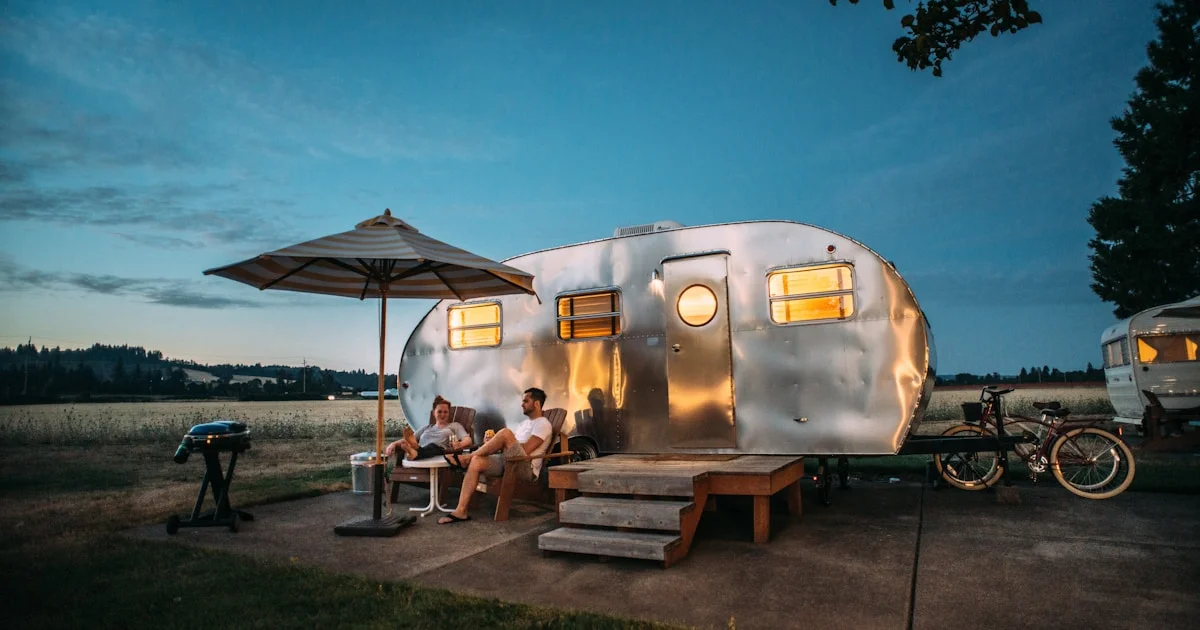
Photo by Roberto Nickson on Unsplash
Renting an RV for the first time feels like unlocking a new way to travel. You imagine wide-open roads, campfires under the stars, and waking up inside a national park. But the learning curve is steeper than most beginners expect, and the most common RV rental mistakes can turn a dream trip into a stressful, expensive ordeal. From picking the wrong rig size to skipping key insurance clauses, first-timers lose hundreds of dollars on errors that are easy to avoid once you know what to look for.
This guide walks through 12 frequent RV rental mistakes and shows you exactly how to sidestep them. You’ll learn how to read a rental contract without surprises, plan a route that fits your rig, pack smarter, and avoid the hidden fees that inflate your final bill. If you’re brand-new to RVing, pair this with our deeper how to rent an RV for the first time walkthrough for the full picture.
Photo by Roberto Nickson on Unsplash
1. Choosing the Wrong RV Class for Your Trip
The biggest mistake starts at the booking screen. First-timers often assume bigger is better, then realize too late that a 35-foot Class A won’t fit in the state park campsites they booked. Others pick a small camper van and discover two adults, two kids, and a dog in 80 square feet gets claustrophobic by day three.
Each RV class has trade-offs in drivability, sleeping capacity, and cost. Class A motorhomes offer hotel-style space but demand confident driving. Class C rigs hit a middle ground. Class B camper vans slip into parking spots but lack full bathrooms. If you’re unsure, take our which RV should I rent quiz before committing.
2. Underestimating Driving and Parking
Driving a 12-foot-tall, 26-foot-long vehicle is nothing like piloting a sedan. Wind pushes the rig sideways, braking distances double, and you cannot squeeze through a drive-through. Beginners routinely underestimate how long it takes to find parking, navigate tight gas stations, or back into a campsite.
Practice in an empty parking lot before you hit the highway. Learn your rig’s height, width, and tail swing. Plan fuel stops at truck stops rather than passenger-car stations, and use a GPS designed for RVs that avoids low bridges and weight-restricted roads.
3. Skipping the Pre-Rental Walkthrough
Rental companies offer a walkthrough when you pick up the rig. Some first-timers are eager to hit the road and rush through it. That’s a costly mistake. If you don’t know how to operate the water pump, slide-outs, awning, or generator, you’ll either break something or get stranded without power at 10 p.m.
Take a video of the entire walkthrough. Ask the staff to demonstrate every system, including how to dump the tanks. Confirm where the fuse box, spare tire, and emergency tools live. A 30-minute walkthrough can save hours of confusion later.
4. Ignoring the Rental Contract Fine Print
RV rental contracts are dense, and the fine print hides the most expensive surprises. Mileage caps, generator hour limits, cleaning fees, and out-of-state restrictions all lurk in the contract. Some companies charge steep fees if you return the rig with a propane tank that isn’t full or a holding tank that isn’t empty.
Read every clause before signing. Ask the rental agent to explain anything vague, and request the total cost breakdown in writing. Use our RV rental fee calculator to estimate the real total before you arrive.
5. Forgetting to Budget for Mileage
Most rentals include a daily mileage allowance, often 100-150 miles. Anything over that triggers a per-mile charge, usually $0.25-$0.75. On a 7-day trip covering 1,500 miles, you could owe $300-$500 in overage fees alone.
Estimate your route mileage honestly before booking. If you’re covering long distances between national parks, prepay for an unlimited mileage package-it’s often cheaper than paying overage. Build the cost into your overall trip budget using the RV trip budget calculator.
6. Booking Campsites Too Late
Campgrounds at national and state parks fill up months ahead, especially in summer. Beginners often lock in the RV first and discover every desirable campsite is gone. You end up either canceling the rental or staying at expensive private RV parks far from where you wanted to be.
Reserve campsites the same day you book the RV. Recreation.gov opens US national park reservations six months out. Canadian provincial parks typically open reservations three to five months ahead. If your dream site is full, check our find an RV campsite quiz for alternatives with the hookups you need.
7. Not Understanding RV Hookups
Showing up at a campsite without knowing the difference between full hookup, partial, and dry camping leads to awkward situations. You might expect to plug in at a site with no power, or fill a 50-gallon fresh tank at a site with no water spigot.
Learn the three main campsite types before you book. Full hookups give you water, sewer, and electric. Partial usually means electric and water. Dry camping means no connections at all. Read our full vs partial vs dry hookups guide for the complete breakdown.
8. Overpacking the RV
First-timers pack like they’re moving into a hotel, not a vehicle with strict weight limits. Every pound affects fuel economy, braking, and how the rig handles corners. Overloading also voids some rental agreements and increases blowout risk on hot days.
Bring what you’ll actually use, not what you might use. Most rigs come with kitchenware, bedding, and basic tools. Use our RV packing checklist to pack only the essentials, and weigh your loaded rig at a truck stop scale if you’re unsure.
9. Mismanaging Holding Tanks
Black and gray holding tanks confuse every beginner at least once. Leave the black tank valve open and you’ll build a “pyramid” of solid waste that requires professional cleaning. Overfill the gray tank and you’ll have water backing up into the shower.
Keep the black valve closed until the tank is at least two-thirds full, then dump. Use RV-safe toilet paper and plenty of water with each flush. The gray valve can stay open at full-hookup sites, but close it a day before you leave so you can flush the sewer hose. Our RV waste tank calculator helps you estimate how often you’ll need to dump.
10. Forgetting RV-Specific Road Rules
RVs cannot travel everywhere a car can. Low bridges, weight-restricted roads, and tunnels with propane restrictions all limit your route. Some cities ban oversized vehicles from downtown streets. Bridges in national parks have height limits that won’t accommodate a tall Class A.
Use an RV-aware GPS or app. Check height and weight on every bridge and tunnel. Research propane rules before any tunnel crossing-you may need to shut off the tank at the appliance. If you’re new to the rules, start with shorter routes and avoid mountain passes in your first few days.
11. Skipping RV Rental Insurance
Your personal auto policy almost never covers a rented RV, and your credit card’s coverage usually doesn’t either. Skipping insurance to save money is one of the most expensive mistakes you can make. A single fender-bender in a $150,000 motorhome can bankrupt a trip budget.
Rental companies offer several coverage tiers: collision damage waiver, liability, and roadside assistance. Compare the cost against standalone RV rental insurance from a third party. Our RV insurance quiz helps you decide what level of coverage fits your trip.
12. Returning the Rig Dirty or Late
Rental companies charge cleaning fees that can hit $200-$500 if you return a rig with a dirty interior, full tanks, or unemptied black water. Late returns trigger hourly fees and can cost you a full extra day if you miss the grace period.
Build two hours into your last day for cleaning and dumping. Empty and rinse the black and gray tanks. Wipe down surfaces, sweep the floor, and remove all trash. Refill the propane tank if the contract requires it. Aim to arrive 30 minutes early to allow for the return inspection.
Common Beginner Mistakes Worth Repeating
These errors come up so often in rental reviews that they deserve a second look:
- Booking the cheapest rig without checking its age or reviews-older rigs break down more often
- Assuming bedding and cookware are included when they’re a $50-$100 add-on
- Driving at night on day one when you’re already tired from pickup paperwork
- Skipping the walkthrough video and forgetting how to retract the slide-out by morning
- Forgetting campground quiet hours and getting a warning-or worse, a fine
- Not testing the generator before you need it for air conditioning in 95-degree heat
Pre-Rental Checklist to Avoid These Mistakes
Run through this list before you sign the rental contract:
- Compare at least three RV classes against your route, group size, and campsites
- Read the full rental contract, including the cancellation and mileage clauses
- Confirm what’s included: bedding, kitchen kit, generator hours, propane
- Get the total cost in writing, including taxes, fees, and insurance
- Reserve campsites the same day you book the RV
- Verify your driver’s license covers the rig’s weight class
- Confirm insurance coverage from the rental company or a third party
- Plan a route with an RV-aware GPS that avoids low bridges
- Schedule pickup for the morning so you have daylight for the walkthrough
- Pack only essentials using a checklist, not a “might need” pile
- Watch walkthrough videos on dumping tanks and operating the slide-outs
- Build buffer time on your last day for cleaning and tank dumping
Don’t Let These Mistakes Derail Your First Trip
Most RV rental mistakes are predictable, which means they’re preventable. The first-timers who have the smoothest trips are the ones who read the contract, practice driving, respect weight limits, and book campsites early. You don’t need to memorize every RV system before pickup, but you do need to know where the levers are and what the contract actually says.
If you’re still deciding on the right rig, our which RV should I rent quiz matches your group size and route to the best class. For a full walkthrough of the rental process from booking to return, read our how to rent an RV for the first time guide. And once you’re ready to pack, the RV packing checklist keeps you under weight and under budget.
Disclaimer: This guide offers general beginner educational information only. Complex RV mechanical maintenance, repairs and safety adjustments should be completed by certified RV professionals. Always follow your RV rental company and vehicle manufacturer instructions.
Quick answers