Family RV Trip With Kids: A Beginner's Guide to Traveling Together

Planning your first RV trip with kids? Learn RV size, packing, safety, meals and entertainment with beginner-friendly tips, common mistakes and checklists.

Family RV Trip With Kids: A Beginner's Guide to Traveling Together

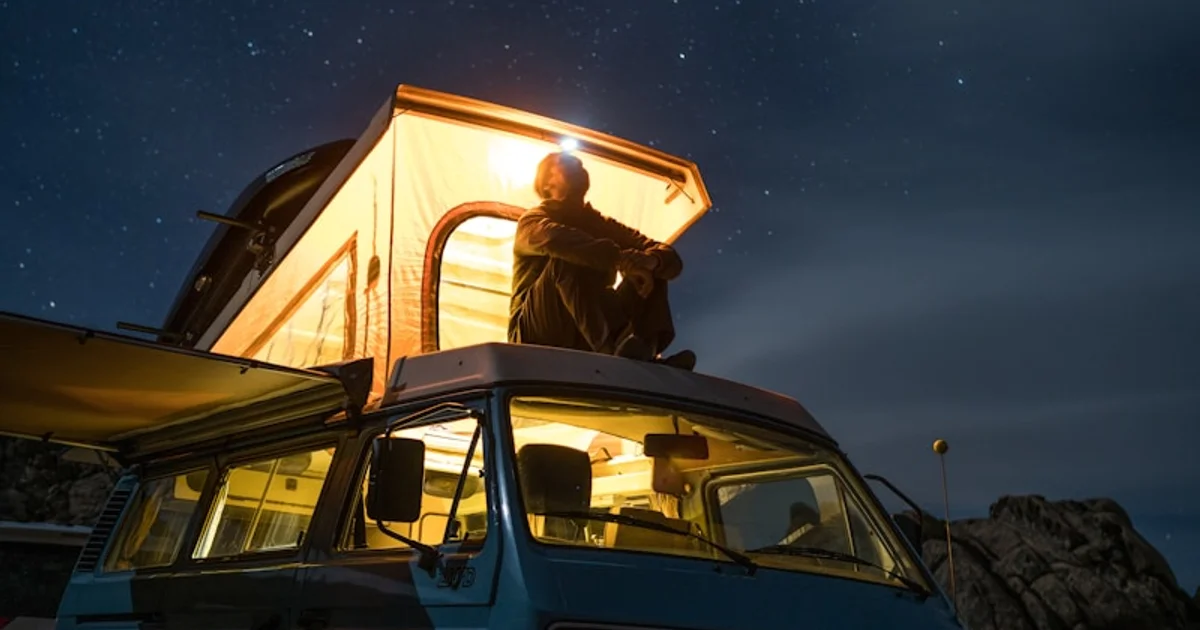
Photo by Joshua Woroniecki on Unsplash

Family RV Trip With Kids: A Beginner’s Guide to Traveling Together

Taking a family rv trip with kids for the first time is equal parts exciting and daunting. You are trading hotel rooms and restaurant meals for a rolling home, and that shift changes how you pack, drive, eat, and unwind. For first-time renters, the questions pile up fast. Is the rig big enough? Will the kids be bored? How do you cook for four people in a kitchen the size of a closet?

This guide answers those questions and more. You will learn how to pick an RV size that fits a family, what to pack beyond the obvious, how to keep children safe and occupied on long driving days, and how to handle meals without losing your mind. We also cover the mistakes first-time family RVers make most often, plus a checklist you can use before you pull out of the rental lot.

RVing with kids is not the same as RVing solo or as a couple. It rewards a slower pace, a looser schedule, and a willingness to improvise. Once you adjust to that rhythm, the format tends to win families over for good.

Choosing the Right RV Size for a Family

Rig size is the first big decision, and it shapes everything that follows. Too small, and the trip feels like camping in a sardine tin. Too large, and you stress about fuel stops, tight campgrounds, and backing into sites with kids watching from the back.

For a family of three or four, a Class C motorhome in the 25 to 30 foot range usually hits the sweet spot. You get a cab-over bed that kids love, a dinette that converts for sleeping or meals, and a bathroom that actually works. Travel trailers in a similar length work too, but you need a tow vehicle rated for the weight, and backing a trailer is harder for beginners than driving a motorhome.

Family SizeSuggested RigWhy It Works
2 adults + 1 childClass B+ or small Class C (21–25 ft)Easy to drive, enough beds, fits most sites
2 adults + 2 kidsClass C (25–30 ft)Cab-over bed, dinette bed, real bathroom
2 adults + 3+ kidsClass C (30+ ft) or Class AMore sleeping capacity, extra storage

Bunks are a major plus with kids. Many Class C rentals include a bunkhouse area or overhead bunks, which gives children their own space and frees up the dinette for meals and games. If your rental does not have bunks, the cab-over bed usually works well for kids old enough to climb a short ladder safely.

The trade-off with larger rigs is maneuverability. A 30-foot Class C needs more room at fuel stops and turns wider at intersections. For a first family trip, most renters are happier starting in the middle of the range rather than maxing out.

Family walking together on a road trip with scenic background

Photo by Joshua Woroniecki on Unsplash

Packing Smart for RV Travel With Children

Packing for a family rv trip with kids means thinking differently than you would for a hotel vacation. Space is limited, everything moves while you drive, and you are your own housekeeping service. The goal is to pack enough to be comfortable without stuffing every cabinet full.

Start with soft-sided bags instead of hard suitcases. Duffel bags and packing cubes compress into odd-shaped cabinets and slide under dinette seats. Hard cases waste space and rattle. Each person should have one main bag for clothes and a small daypack for entertainment and personal items.

Clothing tips that work on the road:

  • Pack layers, not bulky items. Mornings and evenings get cool even in summer.
  • Roll clothes to save space and reduce wrinkles.
  • Bring one extra outfit per person beyond what you think you need.
  • Store dirty clothes in a dedicated laundry bag hung in the bathroom.

Beyond clothes, a few family-specific items make life easier. Headlamps for kids turn nighttime bathroom runs into adventures rather than scary walks. A small folding table gives children a surface for coloring or snacks outside. A camp rug or tarp outside the door catches dirt before it tracks in.

For a full breakdown of what to bring, the RV packing checklist walks through the essentials room by room. You can also cross-reference the essential RV gear checklist to see what typically comes with the rental versus what you need to supply.

Keeping Kids Safe on the Road

Safety with kids in an RV comes down to three areas: seating while driving, campground behavior, and supervision around RV systems.

Seating and Seatbelts

Everyone rides buckled, every time. In a motorhome, passengers sit in forward-facing seats with lap-and-shoulder belts. The dinette and sofa may have belts too, but check that they are anchored to the frame, not just the seat cushion. Car seats and boosters follow the same rules as in a passenger vehicle. Children under 13 should ride in the front cab area or a properly belted rear seat.

Never let anyone ride in a trailer or fifth wheel while it is moving, even for a short distance. It is illegal in most states and unsafe everywhere.

Campground Safety Rules

Campgrounds have their own rhythm, and kids need a quick orientation on day one. Walk the loop together and point out the bathhouse, the host site, and any roads they should not cross. Set boundaries about how far they can wander and require a buddy system for younger children.

A few rules worth teaching early:

  • Watch for backing vehicles. RVs have large blind spots, and drivers cannot always see small children.
  • Do not cut through other campsites. Walk on roads or designated paths.
  • Slow down at dusk. Wildlife is more active and harder to see.
  • Never touch an unfamiliar grill, fire pit, or hose at someone else’s site.

Around the RV Itself

Kids are curious about RV systems, and that curiosity can cause problems. Keep the propane shutoff valve area off-limits. Show older children how the steps work and why they should never jump from the entry door to the ground. Keep the stove knobs out of reach of toddlers, or use knob covers if the rental allows.

Entertaining Kids on Long Driving Days

Boredom is the enemy of a peaceful drive. The trick is not to eliminate screens but to balance them with other activities so the trip itself stays interesting.

Build a driving-day activity kit that includes:

  • Audiobooks or family-friendly podcasts downloaded in advance.
  • Sticker books, coloring books, and washable markers.
  • A small whiteboard with dry-erase markers for games like tic-tac-toe.
  • A travel journal where kids draw or write about each day.
  • Magnetic chess or checkers for older children.

Plan a stop every two to three hours. Look for state parks, visitor centers, or playgrounds along the route rather than settling for gas station parking lots. A 30-minute run-around break resets everyone’s mood and makes the next leg easier.

Let kids help with age-appropriate RV tasks. Younger children can collect kindling, set the table, or wipe down the dinette. Older kids can help with the pre-departure walk-around or read the next campground’s rules out loud. Participation reduces complaints and builds confidence.

Feeding a Family in an RV Kitchen

The RV kitchen is smaller than you are used to, but it works fine for family meals if you plan ahead. The biggest mistake beginners make is trying to cook the same way they do at home, with multiple pots, a full oven, and a pile of dishes. RV cooking rewards one-pot meals, simple breakfasts, and prep done before the trip.

Meal Planning Approach

Plan three to four days of meals at a time so you can shop once and avoid daily grocery runs. Focus on meals that use few dishes and cook quickly:

  • Breakfasts — Oatmeal, yogurt parfaits, scrambled eggs with toast, pre-made muffins.
  • Lunches — Sandwiches, wraps, cheese and crackers, fruit, trail mix.
  • Dinners — One-pot pasta, tacos, grilled chicken with rice, chili, stir-fry.
  • Snacks — Cut fruit, string cheese, pretzels, granola bars.

Pre-chop vegetables and pre-cook proteins at home, then store them in labeled containers in the RV fridge. This cuts cooking time and dishwashing dramatically. A slow cooker plugged into an inverter or shore power turns dinner into a non-event on driving days.

Outside cooking is part of the fun. Many rentals include or offer an exterior grill hookup. Hot dogs, foil packet meals, and campfire nachos are kid favorites that need almost no cleanup. Keep a separate bin for outdoor cooking gear so it does not come back inside greasy.

Planning a Realistic Family Itinerary

A common beginner mistake is planning a family rv trip with kids like a road trip for adults. Kids do not tolerate eight-hour driving days. They need movement, snacks, and downtime that adults can skip.

A sustainable family rhythm looks like this:

  • Drive no more than four to five hours per travel day.
  • Stay at least two nights at each campground so you have a full day to explore.
  • Plan one main activity per non-driving day rather than cramming three in.
  • Build in a rest day mid-trip with no agenda at all.

The RV trip planner helps map driving distances and overnight stops so you can see whether your itinerary is realistic before you book campsites.

Common Beginner Mistakes

  • Booking a rig that is too small for the family’s comfort.
  • Planning driving days that are too long for children’s attention spans.
  • Packing hard suitcases that waste cabinet space.
  • Cooking elaborate meals that create a dishwashing backlog.
  • Skipping campground orientation with kids on day one.
  • Forgetting to download entertainment for offline use before losing cell service.

Practical Family RV Trip Checklist

  • Choose a rig size that matches your family and comfort level.
  • Pack soft-sided bags with rolled clothing in packing cubes.
  • Bring car seats or boosters that fit the RV’s belted seats.
  • Build a driving-day activity kit with screens plus offline options.
  • Pre-chop vegetables and pre-cook proteins before pickup.
  • Plan one-pot meals and outdoor cooking options.
  • Set campground safety rules with kids on arrival day.
  • Keep driving days under five hours with stops every two to three hours.
  • Download audiobooks, podcasts, and offline maps before leaving home.
  • Book campsites with at least two nights per stop.

Wrapping Up Your Family RV Adventure

A family rv trip with kids works best when you lower your expectations of perfection and raise your tolerance for improvisation. The rig will feel small at times, the kids will get restless, and dinner will sometimes be sandwiches eaten at a rest area. None of that is failure. It is the texture of road travel, and kids often remember the messy moments more fondly than the planned ones.

Choose a rig that fits your family, pack light, drive short days, and let the kids help. Use the RV packing checklist and the RV trip planner to stay organized without overplanning. The first family trip is the hardest. Most families who try it once come back for a second.

Disclaimer: This guide offers general beginner educational information only. Complex RV mechanical maintenance, repairs and safety adjustments should be completed by certified RV professionals. Always follow your RV rental company and vehicle manufacturer instructions.

Quick answers

Frequently Asked Questions

Is an RV trip with kids a good idea for beginners?
Yes. RV travel works well for families because you control the schedule, meals, and rest stops. The key is choosing the right rig size, keeping driving days short, and packing for both comfort and entertainment. Many families find RVing easier than flying with young children.
What RV size is best for a family of four?
A Class C between 25 and 30 feet usually fits a family of four comfortably, offering a dedicated bed, a dinette that converts to a bed, and a functional bathroom. Smaller rigs save fuel but feel tight with kids and gear. Try a rental before buying.
How do I keep kids entertained on long RV drives?
Mix screen time with offline activities like audiobooks, sticker books, card games, and a travel journal. Plan a stop every two to three hours at parks or scenic viewpoints. Let kids help with small RV tasks to keep them engaged and reduce restlessness.
Are RV campgrounds safe for children?
Most family-friendly campgrounds are safe and welcoming to kids. Choose campgrounds with playgrounds, speed limits, and good lighting. Teach children campground safety rules like staying on roads, watching for backing vehicles, and not cutting through other sites.