How to Find Cheap RV Campsites Across US and Canada

Planning your first RV trip? Learn how to find cheap RV campsites with public land tips, app picks, common mistakes and a booking checklist.
How to Find Cheap RV Campsites Across US and Canada

Photo by Joshua Woroniecki on Unsplash

Nightly campsite fees can quietly eat an RV trip budget faster than fuel or food. A private park in peak season can run $80 or more per night, and over a two-week vacation that adds up to more than the rental itself. The good news is that the US and Canada are full of cheap and even free RV campsites if you know where to look and when to book.

This guide shows first-time renters how to find cheap RV campsites without sacrificing safety or basic comforts. You will learn the main categories of low-cost camping, the apps and websites that surface the best options, how to time your bookings around peak seasons, and how to avoid common budget-busting mistakes. With the right approach, you can cut your nightly site cost in half and stretch your trip by days.

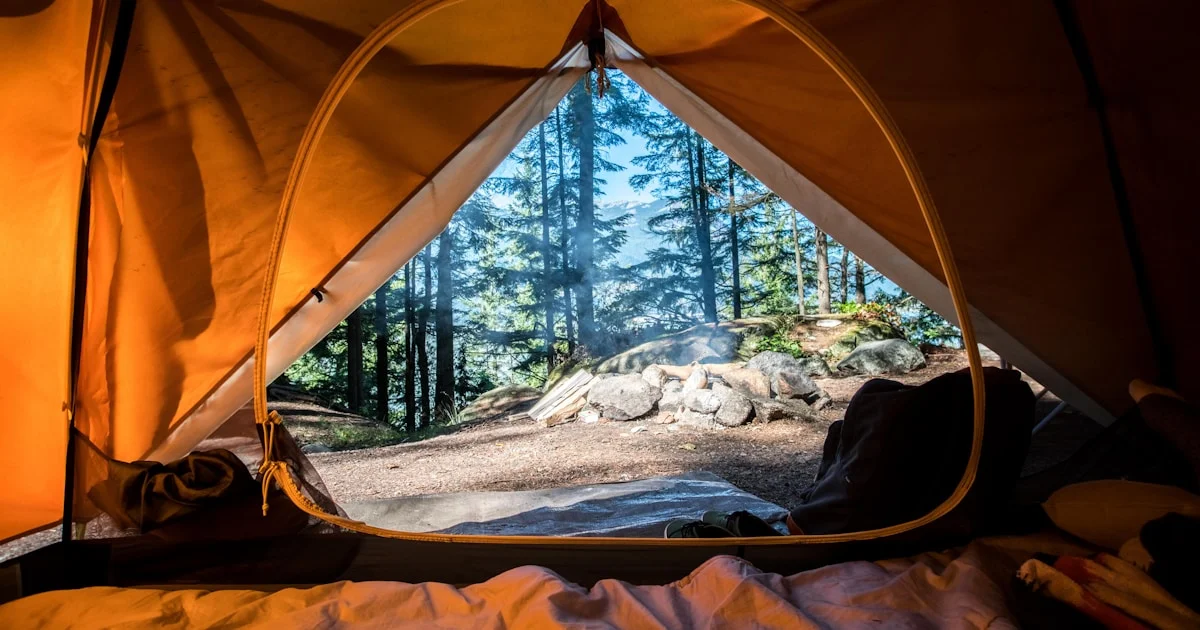
RV tent and campfire nestled in a quiet forest campground

Photo by Joshua Woroniecki on Unsplash

Why Campsite Costs Vary So Much

Campsite prices depend on three things: who manages the land, what hookups are included, and when you show up. A site with full water, sewer, and 50-amp electric at a private resort in July will cost ten times what a no-hookup national forest site costs in October. Understanding those levers is the first step to paying less.

Public land managed by federal, state, or provincial agencies is almost always the cheapest option, often $15 to $35 per night with partial hookups, or free for dispersed camping. Private parks charge more because they offer amenities like pools, laundry, and pull-through sites, but those extras are not always necessary for a first trip.

Types of Cheap RV Campsites

Cheap campsites fall into a few broad categories. Each has tradeoffs in cost, comfort, and access.

Public Campgrounds With Hookups

National park, national forest, state park, and provincial park campgrounds typically offer electric and sometimes water hookups for $20 to $40 per night. These sites are well-maintained, scenic, and often run by reservation systems. They are the sweet spot for first-time renters who want a real campground experience without private park prices.

Public Campgrounds Without Hookups

The same agencies also run rustic campgrounds with no hookups for $10 to $20 per night. You get a site, a fire ring, and usually a pit toilet. These are great for shakedown trips or short stays where you can manage your water and battery.

Dispersed Camping on Public Land

True dispersed camping is free. You park on public land outside a developed campground, with no amenities at all. BLM land and national forests allow this in most areas for up to 14 days per spot. This is the cheapest possible RV camping, but it requires you to manage your own water, waste, and power, and to leave no trace.

Low-Cost Private Parks

Some smaller private parks offer no-frills sites for $30 to $50 per night. They are often older, family-run, and located just outside popular destinations. Reviews on Campendium and RV Parky are the best way to find them.

Membership and Discount Programs

Programs like Passport America, Good Sam, and Escapees offer discounted rates at participating parks, often 50 percent off for a nightly fee. These are most useful for longer trips where the membership pays for itself within a few nights.

Public Land Options by Country

United States

The US has the most extensive cheap camping infrastructure in North America. The main agencies to know are:

  • National Park Service: Iconic but often booked months ahead. Look for nearby national forest or BLM land as a backup.
  • US Forest Service: Hundreds of campgrounds, many reservable through Recreation.gov.
  • Bureau of Land Management: Free dispersed camping on most land, plus low-cost developed campgrounds.
  • State Parks: Vary widely by state but often excellent value, especially in the Midwest and South.
  • Army Corps of Engineers: Waterfront sites near lakes and rivers, usually $20 to $30 with electric.

Canada

Canada offers similar options through different agencies:

  • Parks Canada: National parks with reservable sites, often $25 to $45 CAD per night.
  • Provincial Parks: Each province runs its own system. Ontario and British Columbia have the most extensive networks.
  • Crown Land: Free camping for residents, permits required for non-residents. Rules vary by province.
  • Recreation Sites: British Columbia has a network of free or low-cost forestry recreation sites, popular with RVers.

For a quick way to match your rig and travel style to the right campground type, try our find an RV campsite quiz.

Apps and Websites That Surface Cheap Sites

The right tools make finding cheap campsites far easier. Most experienced RVers use two or three in combination.

ToolBest ForCost
CampendiumFree sites, cell signal reports, reviewsFree
Recreation.govFederal campground reservations in the USFree to use
Reserve AmericaState park reservations in the USFree to use
iOverlanderFree overnight spots and boondockingFree
RV ParkyPrivate park reviews and route planningFree
Campendium PremiumCell coverage maps and filtersPaid
Provincial Park SitesCanada provincial reservationsFree to use

Cross-reference at least two sources before committing. A site listed as free on one app may now charge a fee, or a road may have closed since the last review was posted.

When to Book and When to Wing It

Timing affects both price and availability. Here is how to think about it.

Peak Season

Summer, school holidays, and holiday weekends are peak season everywhere. Reserve public campgrounds the day bookings open, often six months ahead for national parks and two to seven months ahead for state parks. Dispersed camping on BLM and forest land is the backup when reservable sites fill up.

Shoulder Season

May, September, and October offer lower prices, smaller crowds, and easier availability. Some private parks drop rates by 30 percent or more. Weather is less predictable, but the savings and solitude often make up for it.

Off-Season

Winter camping is cheap or free in many areas, especially the desert Southwest and Florida. Some campgrounds close entirely, but those that stay open often discount heavily. Make sure your rental RV is winterized if temperatures will drop below freezing.

For a deeper look at the booking process itself, our guide to booking an RV campsite walks through each step in detail.

Common Beginner Mistakes

  • Booking only private parks: Public campgrounds are often cheaper, quieter, and more scenic.
  • Skipping dispersed camping out of fear: With a little planning, free camping is safe and rewarding.
  • Ignoring reservation release windows: Popular national park sites book within minutes of opening.
  • Trusting a single app: Reviews go stale and access roads change. Cross-reference at least two sources.
  • Underestimating drive time to cheap sites: Free sites are often 30 to 60 minutes from main attractions.
  • Forgetting to budget for dump fees: If you dry camp for free, you will pay $10 to $25 to dump tanks later.

Cheap RV Campsites Booking Checklist

Use this checklist to keep your nightly costs low without surprises:

  • Identify your trip dates and shoulder-season windows if flexible
  • List three public campground options along your route
  • Check reservation opening dates and set calendar reminders
  • Cross-reference each option on Campendium and Recreation.gov
  • Identify a free dispersed camping backup within 30 miles of each stop
  • Confirm rig length and site size limits before booking
  • Note the nearest dump station and fresh water refill point
  • Verify whether hookups are included or if you will dry camp
  • Check cell coverage at each site with a coverage map
  • Run your full route through our RV trip budget calculator to see total nightly cost

Stretching Your Budget Even Further

A few habits compound the savings. Travel slower, since each move costs fuel and a new night fee. Combine a free dispersed night with a paid full-hookup night every few days to dump tanks and recharge. Cook in the RV instead of eating out, which often pays for the campsite itself. And use our RV trip budget calculator to model different mixes of free and paid sites so you can see exactly what each night costs over the whole trip.

Conclusion

Cheap RV campsites are not hard to find once you understand the categories of public land, the apps that surface them, and the timing that determines availability. Start with public campgrounds, use dispersed camping as a backup, and book early for peak-season destinations. Cross-reference your sources, mind the dump station, and build the cost of each night into your overall trip budget.

Mixing one or two free nights into a longer trip can pay for an extra day on the road. Take the find an RV campsite quiz to match your style with the right campground type, review our guide to booking an RV campsite for the step-by-step, and run your numbers through the RV trip budget calculator. Affordable camping is one of the best things about RV travel, and a little planning goes a long way.

Disclaimer: This guide offers general beginner educational information only. Complex RV mechanical maintenance, repairs and safety adjustments should be completed by certified RV professionals. Always follow your RV rental company and vehicle manufacturer instructions.

Quick answers

Frequently Asked Questions

Where can I find free RV campsites in the US?
Free RV camping is available on most Bureau of Land Management land and in national forests, typically for up to 14 days per spot. Look for designated dispersed camping areas and check local rules before parking overnight.
Are cheap RV campsites safe for first-time renters?
Yes, most cheap and free campsites are safe if you research them in advance. Stick to well-reviewed public campgrounds, arrive before dark, and trust your instincts if a spot feels wrong.
How much does an average RV campsite cost per night?
Public campground sites typically run $15 to $35 per night with partial hookups. Private parks range from $40 to $90, while resorts and coastal parks can exceed $120 per night during peak season.
Can you camp for free in Canada in an RV?
Canadian residents can often camp free on Crown land. Non-residents usually need a permit. Some provincial parks also offer low-cost backcountry camping, but rules vary by province.
What apps help find cheap RV campsites?
Campendium, iOverlander, Recreation.gov, and Reserve America are popular for finding free and low-cost sites. Cross-reference two apps before committing, since reviews and access details change over time.