What Size RV Should a First-Time Renter Choose
Learn how to choose the right RV size for your first rental based on travelers, trip length, destination, and driving comfort.
Photo by Jonathan Borba on Unsplash
One of the first decisions every first-time RV renter faces is size. Walk into a dealership or scroll through a rental platform and you will see everything from tiny camper vans to bus-sized motorhomes. Picking the right size matters because it affects your comfort, your driving stress, your campsite options, and your total trip cost.
This guide will help you match RV size to your travel party, destination, and experience level. You do not need to become an expert overnight. You just need to answer a few practical questions.

Photo by Jonathan Borba on Unsplash
Start with Your Travel Party
The number of people coming with you is the most important starting point. More people need more beds, more seat belts, and more storage space. However, bigger is not automatically better. A family of four can be comfortable in a 25-foot Class C, while a couple might feel lost in a 40-foot Class A.
Count both sleeping spaces and seat belts. Every passenger must have a seat belt while the RV is moving, and some beds are only meant for small children.
Match Size to Trip Length
For a weekend trip, you can tolerate a smaller space because you will spend most of your time outside. For a two-week national park tour, you will appreciate more room, a larger refrigerator, and a separate bedroom area.
Consider how much time you will spend inside the RV each day. If you plan to hike, sightsee, and eat outside, a smaller RV works fine. If you expect rainy weather or long indoor evenings, extra living space becomes much more valuable.
- Weekend trips: 17 to 24 feet
- One-week trips: 24 to 30 feet
- Multi-week trips: 28 to 35 feet
- Full-time or luxury travel: 35+ feet
Consider Your Destinations
National parks, state parks, and older private campgrounds often have length restrictions. Many sites max out at 25, 30, or 35 feet. If you plan to visit Yosemite, Glacier, or other popular parks, a 30-foot RV is usually the safest upper limit.
Urban destinations and scenic highways also favor shorter rigs. A 40-foot Class A may struggle with tight mountain curves, low bridges, and small parking lots. Coastal highways and desert backroads can also present challenges for oversized vehicles, from narrow lanes to soft shoulders.
Think About Driving Comfort
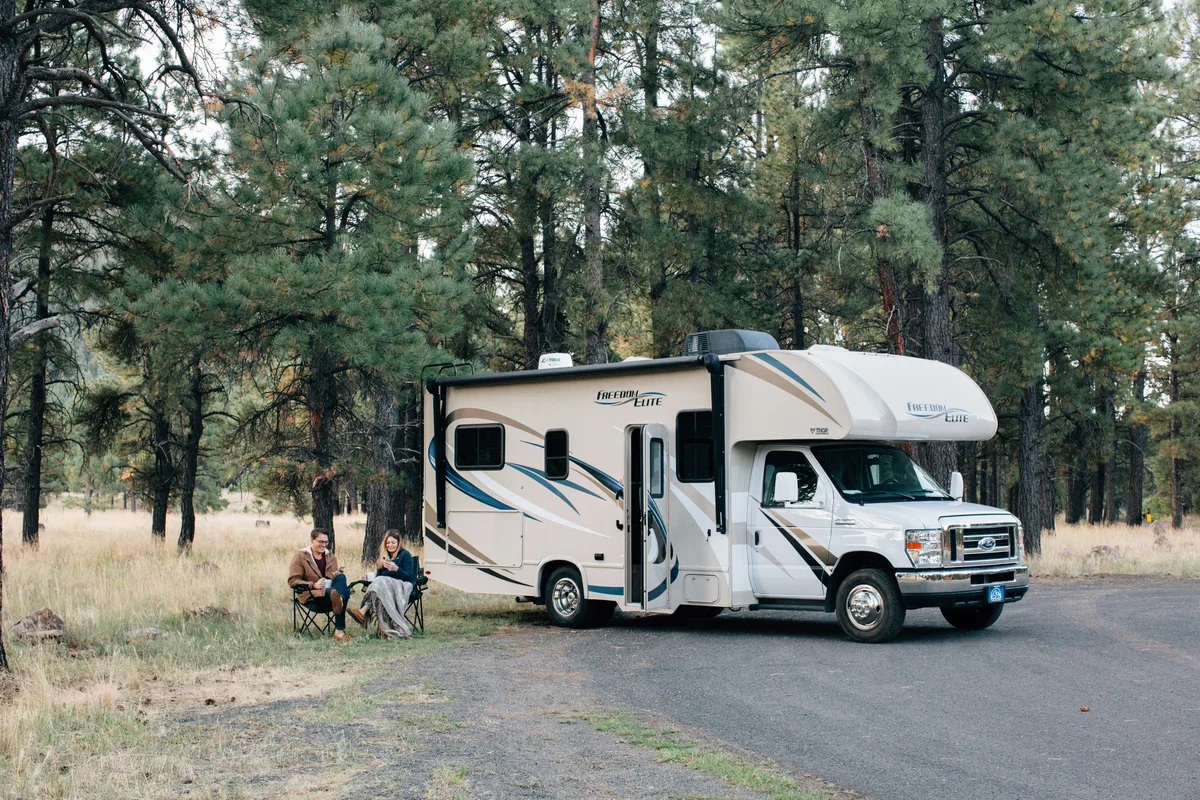
Your comfort behind the wheel should be a major factor. If you have never driven anything larger than an SUV, jumping into a 35-foot motorhome can be intimidating. A Class C between 24 and 28 feet is often the sweet spot for beginners.
Before your trip, practice in an empty parking lot. Learn how wide your turns need to be, how long your stopping distance is, and how to back up with a spotter.
Understand the Layout, Not Just the Length
Two RVs of the same length can feel very different inside. One might have a large slide-out that expands the living area, while another feels narrow. Look at floor plans and photos carefully.
Key layout questions:
- Is the bed in the back or over the cab?
- Does the dinette convert into a bed?
- Is there a separate shower or a combined wet bath?
- How large is the refrigerator and pantry?
- Is there an outdoor kitchen or storage compartment?
Slide-outs add living space but also add setup time. You cannot extend slides in a narrow site or in some parking areas. Make sure your campsite is wide enough if you choose a rig with multiple slides.
RV Size and Campground Reservations
Your RV size affects where you can stay. Many campgrounds list a maximum site length, but that number does not always tell the full story. A 30-foot site might be tight for a 30-foot RV because you also need room for the tow vehicle or towed car.
When booking, look for:
- Site length and width
- Whether the site is pull-through or back-in
- Space for slides to extend
- Room for parking an extra vehicle
- Low branches or narrow access roads
If you are between two site sizes, choose the larger one. The extra space makes setup easier and reduces stress, especially for beginners.
How RV Size Affects Cost
Larger RVs usually cost more to rent and operate. Expect higher nightly rates, worse fuel economy, and potentially higher tolls or ferry fees. On the other hand, larger RVs reduce the need for add-ons like outdoor kitchens or extra storage bins.
For a detailed look at costs, see our guide on how much a typical first RV trip costs.
RV Size and Fuel Stops
Not every gas station can accommodate a large RV. Class A motorhomes may need truck stops or stations with large diesel islands. Class C motorhomes usually fit at most regular gas stations, but tight turns and low awnings can still be problems.
Before your trip, identify fuel stops along your route that have RV-friendly access. Apps designed for truckers can help you find stations with plenty of maneuvering room. Plan to refuel when your tank is around half full so you are never desperate for a station that fits.

Photo by Kevin Schmid on Unsplash
RV Size Recommendations by Traveler Type
| Traveler Type | Suggested Size | Best RV Type |
|---|---|---|
| Solo traveler or couple | 17–22 ft | Class B van or small Class C |
| Family of 4 | 24–30 ft | Class C motorhome |
| Family of 6 | 28–32 ft | Large Class C or small Class A |
| Couple on long tour | 25–30 ft | Class C or small Class A |
| Luxury seekers | 35–45 ft | Class A motorhome |
When to Size Up or Down
Size up if you are traveling with children who need separate sleeping areas, planning a trip longer than a week, or bringing large outdoor gear like bikes and kayaks. Extra space reduces friction on long trips.
Size down if you are traveling solo or as a couple, planning mostly urban or scenic drives, or nervous about driving a large vehicle. A smaller RV is easier to park, cheaper to fuel, and less stressful on winding roads.
Beginner RV Size Checklist
Use this checklist before choosing a rental:
- Count every traveler and required seat belt
- Decide how many private sleeping spaces you need
- Check length limits at your target campgrounds
- Consider your experience driving large vehicles
- Estimate fuel costs for your planned route
- Review the floor plan and storage options
- Confirm slide-out operation and campsite space needs
- Compare rental prices across similar sizes
Common Beginner Mistakes
- Renting too much RV: A 40-foot rig is overkill for a couple on a weekend trip.
- Ignoring site length limits: Arriving with an RV that is too long for your campsite is stressful.
- Forgetting about slide-outs: Slides add width and need room to extend.
- Assuming longer means more beds: Layout matters more than total length.
For more help comparing RV types, read our Class A vs Class B vs Class C guide. To avoid the most common sizing and rental errors, see our guide on the top mistakes first-time RV renters make.
Test Driving Before You Rent
If you are torn between two sizes, try to arrange a short test drive. Many dealerships and some peer-to-peer owners allow this. Even 15 minutes behind the wheel tells you more than hours of research.
Pay attention to visibility, turning radius, braking distance, and how comfortable you feel on the road. If a 30-foot RV feels manageable but a 35-foot rig makes you nervous, choose the smaller one. Confidence is one of the most important factors for a successful first trip.
Storage and Tank Differences by Size
Smaller RVs have smaller fresh water, gray, and black tanks. This means more frequent dump station visits and shorter off-grid stays. Larger RVs hold more water and waste, giving you more flexibility when dry camping.
Storage space follows the same pattern. A Class B van requires minimal packing, while a Class A motorhome can carry bikes, kayaks, chairs, and outdoor kitchens. Think about how much gear your trip requires before choosing a size.
Final Size Decision Framework
If you are still stuck, use this simple framework. Start with the number of people and the trip length. Then match those to the smallest RV that meets your needs. Add length only if your destination requires more amenities or if you genuinely need more space.
Remember that a shorter RV is easier to book into campgrounds, easier to fuel, and less stressful to drive. Comfort matters, but so does confidence. A smaller RV that you feel good driving is better than a larger RV that makes you nervous.
FAQ
Conclusion
The best RV size for a first-time renter balances comfort, drivability, and destination limits. For most beginners, a Class C motorhome between 24 and 30 feet offers the ideal combination of space and manageability. Match the size to your actual needs, not your maximum budget, and your first trip will be far more enjoyable.
Disclaimer: This guide offers general beginner educational information only. Complex RV mechanical maintenance, repairs and safety adjustments should be completed by certified RV professionals. Always follow your RV rental company and vehicle manufacturer instructions.
Quick answers