Essential RV Gear Checklist for First-Time Renters

A complete essential RV gear checklist for first-time renters, covering kitchen, safety, water, electrical, and outdoor setup items.

Essential RV Gear Checklist for First-Time Renters

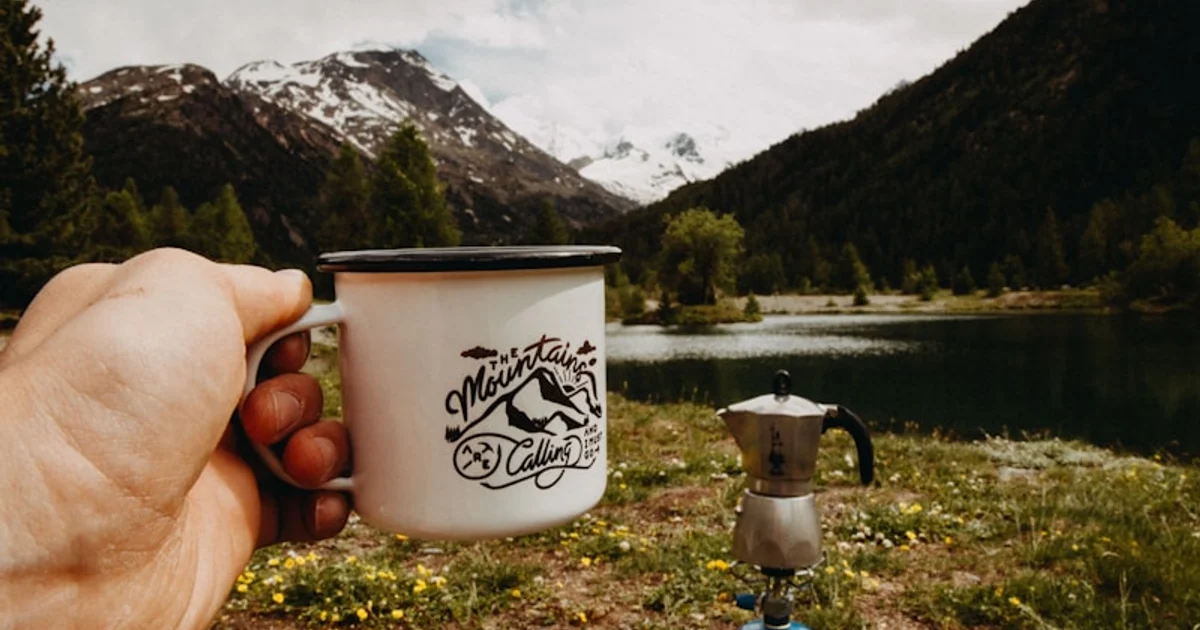
Photo by Malte Schmidt on Unsplash

Packing for your first RV trip is different from packing for a hotel stay or even tent camping. You have a kitchen, a bathroom, and a bedroom on wheels, which means you need gear for all three. But you also have limited space and weight capacity, so overpacking is a real problem.

This checklist covers the essential gear most first-time renters need. It focuses on practical items that make setup, daily living, and cleanup easier without turning your RV into a storage unit.

Compact RV kitchen with stove, sink, and storage cabinets ready for a road trip

Photo by Malte Schmidt on Unsplash

Kitchen and Cooking Gear

Most RV kitchens include a stove, refrigerator, microwave, and sink. What they do not always include are pots, pans, plates, and utensils. Confirm what your rental provides, then pack the rest. A good starter kitchen kit does not need to be fancy. A couple of nesting pots, a non-stick skillet, and a set of unbreakable dishes will handle most meals.

  • Pots and pans with lids
  • Non-stick skillet
  • Plates, bowls, and cups
  • Forks, knives, spoons, and cooking utensils
  • Can opener and bottle opener
  • Cutting board and sharp knife
  • Dish soap, sponge, and dish towels
  • Aluminum foil and plastic wrap
  • Trash bags
  • Coffee maker or French press
  • Reusable water bottles

Choose lightweight, stackable items to save cabinet space.

Water and Sewer Supplies

Connecting to campground water and dumping your tanks are two skills every beginner needs. The right gear makes both easier and cleaner.

  • Drinking-water-safe hose, 25 to 50 feet
  • Water pressure regulator
  • Sewer hose with elbow fitting
  • Sewer hose support
  • Disposable gloves for dumping
  • RV-safe toilet paper
  • Tank treatment chemicals

Always keep your freshwater hose separate from anything used for waste.

Electrical and Power Accessories

Campground power pedestals are not always perfect. A few simple accessories protect your RV and keep you powered.

  • Surge protector rated for 30-amp or 50-amp service
  • Power adapter if your RV plug does not match the pedestal
  • Extension cord for outdoor devices
  • Portable battery pack for phones and small electronics

Leveling and Stabilization

A level RV is important for the refrigerator to work properly and for comfortable sleep.

  • Plastic leveling blocks
  • Wheel chocks
  • Small bubble level

Some owners provide these, so ask before buying.

Safety and Emergency Gear

Safety gear should never be skipped. Even on a short trip, being prepared makes a big difference.

  • First aid kit
  • Fire extinguisher
  • Carbon monoxide and smoke detectors (verify the RV has working units)
  • Flashlight or headlamp
  • Emergency roadside kit with jumper cables
  • Spare fuses if recommended by the owner
  • Basic tool kit
  • Tire pressure gauge

Outdoor and Campsite Gear

The campsite is half the fun. These items make outdoor time more comfortable.

  • Camping chairs
  • Folding table
  • Outdoor rug
  • Lantern or string lights
  • Insect repellent
  • Sunscreen
  • Portable grill if allowed

Family relaxing outside their RV at a scenic campsite

Photo by Hannah Busing on Unsplash

Bedding and Toiletries

Many rentals do not include linens. Bring your own or rent a linen package if available.

  • Sheets, blankets, and pillows
  • Towels and washcloths
  • Toiletries and personal medications
  • Laundry bag

Cleaning Supplies

A clean RV is easier to return in good condition. A small cleaning kit goes a long way.

  • All-purpose cleaner
  • Paper towels
  • Broom and dustpan or small vacuum
  • Disinfecting wipes

Organization Tips

RV storage space is limited, so organization matters. Use clear plastic bins to group similar items. Label each bin so everyone knows where things go. Store heavy items low and light items high to keep the RV balanced.

Command hooks and adhesive organizers work well for small items like keys, flashlights, and cooking utensils. A shoe organizer hung on the back of a door can hold cleaning supplies, toiletries, or snacks.

Where to Buy Gear

You do not need to buy everything before your first trip. Many items can be borrowed from home or purchased affordably at discount stores, big-box retailers, or outdoor shops. Start with the absolute essentials and add items as you gain experience.

Avoid buying expensive specialty gear until you know you will use it regularly. A simple set of plastic dishes works just as well as premium camping dishware for your first rental.

Gear for Different Climates

What you pack depends heavily on where and when you are traveling. For summer trips, prioritize sun protection, insect repellent, and light clothing. For spring or fall trips, add warm layers, rain gear, and extra blankets.

If you are heading to the desert, bring more water than you think you need and a sun shade for outdoor sitting. If you are camping in the mountains, pack a warm jacket even if the daytime forecast looks mild. Elevation changes temperatures quickly.

Renting Gear vs. Buying Gear

Some rental owners offer add-on packages that include kitchen kits, bedding, and outdoor chairs. These packages can save you money and hassle, especially for a short trip. Before you buy anything, ask the owner what is available.

For items you will use on every trip, buying makes sense. For one-time needs, renting or borrowing is usually smarter. A good rule is to buy only the essentials before your first trip, then purchase additional gear based on what you actually missed.

Gear Storage and Weight Distribution

Every RV has a cargo carrying capacity. Exceeding it can create safety issues and damage the vehicle. Store heavy items low and near the center of the RV. Avoid placing too much weight on one side, which can affect handling.

Use soft-sided bags instead of hard suitcases when possible. They are easier to squeeze into small closets and under beds. Before you drive, make sure cabinets are latched and nothing on the counters can slide around.

Campfire cooking setup with grill and outdoor kitchen gear

Photo by Tobias Tullius on Unsplash

Beginner RV Gear Checklist

Use this master checklist before you leave:

  • Cookware, dishes, and utensils
  • Dish soap and towels
  • Fresh water hose and pressure regulator
  • Sewer hose, support, and gloves
  • RV toilet paper and tank chemicals
  • Surge protector and power adapters
  • Leveling blocks and wheel chocks
  • First aid kit and emergency roadside kit
  • Flashlight and spare batteries
  • Camping chairs and outdoor table
  • Bedding and towels
  • Cleaning supplies
  • Food and drinking water
  • Personal documents and reservation confirmations

Common Beginner Mistakes

  • Bringing too much stuff: RV storage fills up faster than you expect.
  • Forgetting linens: Many rentals do not provide bedding.
  • Using regular toilet paper: RV toilets clog easily without RV-safe paper.
  • Skipping the surge protector: A single power spike can damage appliances.
  • Not asking what is included: Every rental is different.

For a full cost picture, see our guide on how much a typical first RV trip costs. To avoid the most common packing and setup errors, read our top mistakes first-time RV renters make. If you are new to renting, start with our complete beginner checklist for renting an RV.

Technology and Connectivity Gear

Staying connected on the road helps with navigation, reservations, and emergencies. While you do not need a full mobile office, a few tech items make RV travel easier.

  • Phone chargers and a portable power bank
  • A car charger for devices
  • Offline maps downloaded to your phone
  • A small Wi-Fi hotspot if you need reliable internet
  • A Bluetooth speaker for music at the campsite

Keep in mind that many campgrounds have weak or no cell service. Download maps and entertainment before you leave. If you work remotely, research cellular coverage along your route or choose campgrounds known for good service.

Personal Comfort Items

Small comforts make a big difference on your first RV trip. Bring your favorite pillow, a cozy blanket, and anything else that helps you sleep well in an unfamiliar bed. Earplugs and an eye mask are useful if you are not used to campground sounds and early morning light.

A few board games, books, or playing cards give you something to do if the weather turns bad. Outdoor items like a hammock or frisbee can turn a simple campsite into a relaxing afternoon.

Gear Check Before Departure

About an hour before you leave, do a final walk-through. Make sure cabinets are latched, the refrigerator door is closed, and nothing is sitting on counters. Check that the awning is retracted, steps are folded, and all hoses and cords are disconnected and stored.

Walk around the RV one more time to confirm windows are closed, compartments are locked, and the antenna or air conditioner covers are secure. These final checks take five minutes and prevent many common first-trip disasters.

FAQ

Conclusion

The right gear makes your first RV rental smoother and more enjoyable. Focus on the essentials first, buy or borrow what you do not have, and avoid overpacking. As you gain experience, you will learn which extras are worth adding to your kit.

Disclaimer: This guide offers general beginner educational information only. Complex RV mechanical maintenance, repairs and safety adjustments should be completed by certified RV professionals. Always follow your RV rental company and vehicle manufacturer instructions.

Quick answers

Frequently Asked Questions

Do RV rentals come with kitchen supplies?
Some rentals include kitchen kits, but many do not. Always check the listing and bring basic cookware, utensils, and dish soap if needed.
What hoses do I need for an RV?
You need a drinking-water-safe hose for fresh water and a separate sewer hose with fittings for dump stations.
Should I bring leveling blocks?
Some owners provide them. If not, a set of plastic leveling blocks is inexpensive and very useful for uneven campsites.
Do I need a surge protector for my RV?
A surge protector is highly recommended because it protects your RV from dangerous voltage spikes at campground pedestals.
What safety items are required in an RV?
At minimum, bring a fire extinguisher, carbon monoxide detector, smoke alarm, first aid kit, and emergency roadside kit.