How Often Do You Need to Dump RV Tanks in a Rental (2026 Beginner Guide)
Wondering how often to dump RV tanks in a rental? This 2026 beginner guide covers realistic estimates by group size, tank capacity, and usage habits.
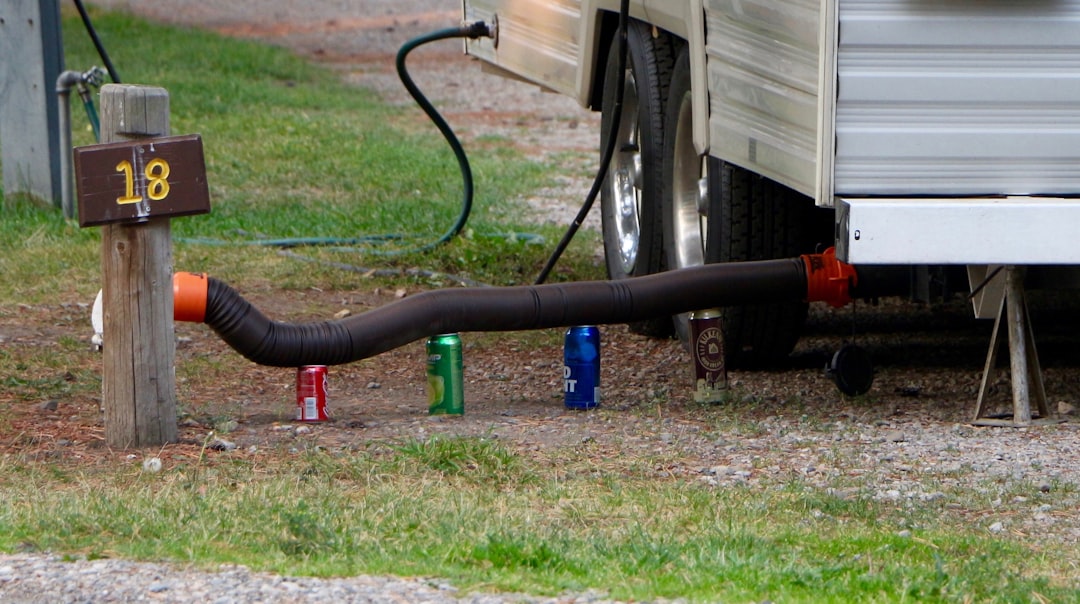
If you’ve never rented an RV before, the three holding tanks are probably the most mysterious part of the whole experience. You’ve got a fresh water tank, a gray water tank, and a black water tank. They all fill up at different rates, and nobody tells you exactly when to empty them. The question every first-time renter asks is simple: how often do I need to dump RV tanks?
The short answer: most beginner rental groups dump every two to four days, depending on tank size, number of people, and how conservatively you use water. But that’s a rough estimate. Let’s break it down with real numbers so you can plan your trip without getting stuck with a full tank at the worst possible moment.
The Three Tanks and Why They Fill at Different Speeds
Before we talk about timing, you need to understand what each tank does and why their fill rates vary. A typical rented Class C motorhome or travel trailer has three holding tanks:
- Fresh water tank: holds clean water for drinking, cooking, and showering. Usually 30–50 gallons on a rental.
- Gray water tank: collects wastewater from sinks and showers. Typically 30–40 gallons.
- Black water tank: holds only toilet waste. The smallest tank, usually 20–30 gallons on most rentals.
The black tank fills the slowest because toilet usage is more controlled. The gray tank fills fastest because every shower, every dish, and every handwash adds to it. The fresh tank depletes as you use water, and you refill it at potable water spigots or campground fill stations.
Realistic Dump Frequency by Group Size
Let’s get into the actual numbers. These estimates assume a mid-size rental Class C (the most common beginner rental) with standard tank capacities, and typical usage habits.
Two Adults, No Kids
| Tank | Capacity | Time Between Dumps |
|---|---|---|
| Fresh | 40 gal | 2–3 days |
| Gray | 35 gal | 2–3 days |
| Black | 25 gal | 5–7 days |
Two adults taking navy showers (wet, soap, rinse in under two minutes) and being mindful of water can stretch the gray and fresh tanks to three days. The black tank lasts much longer because toilet usage is limited. Most two-person teams dump all three tanks every three days, even though the black tank could go longer. You dump everything at once for convenience.
Family of Four (2 Adults, 2 Kids)
| Tank | Capacity | Time Between Dumps |
|---|---|---|
| Fresh | 40 gal | 1.5–2 days |
| Gray | 35 gal | 1.5–2 days |
| Black | 25 gal | 3–4 days |
Kids use more water. Showers run longer, teeth-brushing taps stay on, and dishwashing happens more frequently. The gray tank fills noticeably faster. Most family groups plan to dump every other day, sometimes daily if everyone is taking long showers.
Solo Traveler
A solo traveler can stretch tanks further. One person using water conservatively can go 3–4 days between dumps for gray and fresh, and 7–10 days for black. Many solo RVers boondock for longer stretches because their tank usage is so low.
Full Hookup vs. Dry Camping
Your dump frequency also depends on your campground setup:
- Full hookup sites: You can leave the gray valve open (keep black closed!) and dump on your schedule. Most people dump every 3–4 days at full hookup sites just to keep things fresh.
- Partial hookup: You have water and electric but no sewer. You need to carry holding tanks and dump when full. Expect every 2–3 days for gray and fresh.
- Dry camping (boondocking): No connections at all. You’re limited by tank capacity. Plan for 2–3 days maximum unless you’re extremely conservative.
For a precise calculation based on your specific rental, use our RV Waste Tank Calculator. It factors in your tank sizes, group size, and daily habits to estimate exactly when you’ll need to dump.
How to Tell If Your Tanks Are Getting Full
Rental RVs have a monitor panel with lights or a digital readout for each tank, marked E (empty), 1/3, 2/3, and F (full). Here’s the catch: these sensors are notoriously inaccurate. They get covered in toilet paper, grease, and residue, and the readings drift. I’ve seen a gauge show “empty” when the tank was actually two-thirds full.
So how do you actually tell? Use these real-world signs:
Fresh Tank Signs
- Water pressure at the tap drops significantly
- The water pump starts cycling more frequently
- The monitor panel shows 1/3 or less
Gray Tank Signs
- Water starts backing up into the shower pan or kitchen sink
- The monitor panel shows 2/3 or more
- You notice a gurgling sound when using the bathroom sink
Black Tank Signs
- The toilet starts to flush slowly or “burps” (air comes back up)
- The monitor panel shows 2/3 or more
- You detect a faint odor even with the vent fan running
The key rule: dump when any tank reaches two-thirds full, not when it’s completely full. An overfull gray tank backs up into the shower, and an overfull black tank can clog the vent or cause a messy overflow.
Common Beginner Mistakes That Accelerate Tank Fill
New renters often fill their tanks much faster than expected because they don’t realize how quickly small habits add up. Here are the top water-wasting culprits:
Long Showers
A standard showerhead uses 2–3 gallons per minute. A 10-minute shower uses 20–30 gallons — nearly the entire capacity of a gray tank in one session. Navy showers (wet, soap, rinse) in under two minutes use only 4–6 gallons.
Leaving the Tap Running
Brushing teeth with the tap running uses 3–5 gallons per brushing. Washing dishes with a running tap uses 5–10 gallons per meal. Turn off the water when you don’t need it.
Dishwasher Usage
If your rental has a built-in dishwasher, each cycle uses 6–10 gallons. Only run it when full, and consider washing dishes by hand for small loads.
Outdoor Water Use
Washing hands, rinsing gear, or filling water bottles outside all add to the gray tank if you’re connected to the RV’s water system. Use a separate jug for outdoor water when possible.
Toilet Paper Overuse
Using regular toilet paper (not RV-safe) causes clumps that clog the black tank. Use RV-specific toilet paper or test yours by shaking a few sheets in a jar of water — if it dissolves, it’s safe.
How to Dump RV Tanks: Step-by-Step
Dumping is the part beginners dread most, but it’s straightforward once you do it once. Follow this sequence every time:
Step 1: Prep the Area and Put On Gloves
Wear disposable nitrile gloves. Position the RV so the dump outlet slopes toward the dump station inlet. Make sure you’re on level ground or slightly downhill — gravity helps the waste flow out.
Step 2: Connect the Sewer Hose
Attach one end of your sewer hose to the RV’s dump outlet and the other to the dump station’s inlet. Push the hose fully seated at both ends. If your rental came with a clear elbow adapter, use it — it lets you see exactly what’s flowing.
Step 3: Dump Black First
Open the black tank valve fully and let it empty completely. Wait until the flow stops, then close the valve. Always dump black first so the gray water can rinse the hose afterward.
Step 4: Dump Gray Second
Open the gray valve and let it flush the sewer hose with cleaner water. This rinses away any black water residue. Once the flow stops, close the valve.
Step 5: Add Fresh Water to Black
Pour a few gallons of fresh water down the toilet to refill the black tank with liquid. This prevents solid waste from drying out and clogging the valve. Do this every time.
Step 6: Disconnect and Store
Disconnect the hose from the RV end first, then the dump station end. Rinse the hose with the dump station’s non-potable wash hose if available. Store the hose in its dedicated compartment (usually a bumper-mounted carrier). Remove gloves last and wash your hands thoroughly.
Tips to Extend Dump Intervals
Want to go longer between dumps? These habits can stretch your tank capacity significantly:
Take Navy Showers
Wet down, turn off the water, soap up, rinse quickly. Done in two minutes or less. This cuts shower water use by 75%.
Use the Campground Restroom
If your campground has restroom facilities, use them for solid waste. This dramatically extends your black tank life. Many experienced RVers only use the on-board toilet for liquid waste.
Scrape Plates Before Washing
Wipe food residue off plates with a paper towel before washing. This keeps food particles out of the gray tank and prevents clogs that reduce capacity.
Use a Water-Saving Faucet Aerator
Some rentals have these installed. If not, consider picking one up — they reduce flow by 30–50% without noticeable difference.
Reuse Cooking Water
After boiling pasta or vegetables, let the water cool and use it to wash your hands or rinse dishes instead of running fresh water.
Planning Your Dump Schedule
The best approach is to plan your dump stops around your trip itinerary. Here’s how:
- Map dump stations along your route before you leave. Apps like RV Trip Wizard or AllStays show dump stations at campgrounds, truck stops, and public lands.
- Book full-hookup campsites every 2–3 days if possible. This gives you a sewer connection and fresh water refill.
- Carry a printed list of dump stations along your route. Cell service can be spotty in rural areas.
- Don’t wait until you’re desperate. Dump when any tank hits two-thirds full, even if it means dumping a day early.
FAQ
Q: How do I know if my tank gauge is accurate?
A: Treat the monitor panel as a rough guide only. Verify with the physical signs mentioned above — water pressure changes, backup, gurgling sounds, and slow flushing. If the gauge says “empty” but showers are still flowing, the sensor is likely covered in residue.
Q: Can I dump just the gray tank and leave the black tank?
A: Yes, but it’s better to dump both at the same time for convenience. The black tank should be dumped first, then gray to rinse the hose. If you only need to dump gray, that’s fine — just be aware that the black tank will still need attention soon.
Q: What happens if I overfill the gray tank?
A: Overfilling causes wastewater to back up into the shower or kitchen sink. This is unsanitary and unpleasant. It also makes cleanup much harder. Dump at the two-thirds mark to avoid this.
Q: Do I need to use special toilet paper in an RV?
A: It’s recommended but not strictly required. RV-safe toilet paper dissolves quickly and won’t clog your black tank. If you use regular toilet paper, use sparingly and consider adding a tank treatment to break down solids.
Q: How long can a fresh water tank last?
A: For two people with conservative use, a 40-gallon fresh tank lasts 2–3 days. With long showers and heavy use, it could deplete in 1.5 days. Always know where your next water fill is located.
Q: Can I drink water from the RV’s fresh tank?
A: Yes, if the tank and hoses are dedicated to potable water and properly sanitized. Many renters prefer bottled water for drinking and use tank water for cooking, dishes, and showers. That’s a perfectly reasonable choice.
Final Thoughts
Knowing how often to dump your RV tanks comes down to understanding tank capacities, recognizing the warning signs, and planning ahead. Most first-time renters dump every two to four days, with families leaning toward the shorter end and solo travelers toward the longer end. Use the RV Waste Tank Calculator to model your specific trip, map dump stations in advance, and never wait until a tank is completely full.
The good news is that tank management becomes second nature after your first trip. Once you’ve dumped once or twice, you’ll learn to recognize the signs that your tanks are getting close, and the whole process will feel routine rather than intimidating.
Disclaimer: This guide offers general beginner educational information only. Complex RV mechanical maintenance, repairs and safety adjustments should be completed by certified RV professionals. Always follow your RV rental company and vehicle manufacturer instructions.