How to Boondock in a Rented RV Without Experience 2026
Updated for 2026. Learn how to boondock in a rented RV as a complete beginner: location, water management, power, and safety.
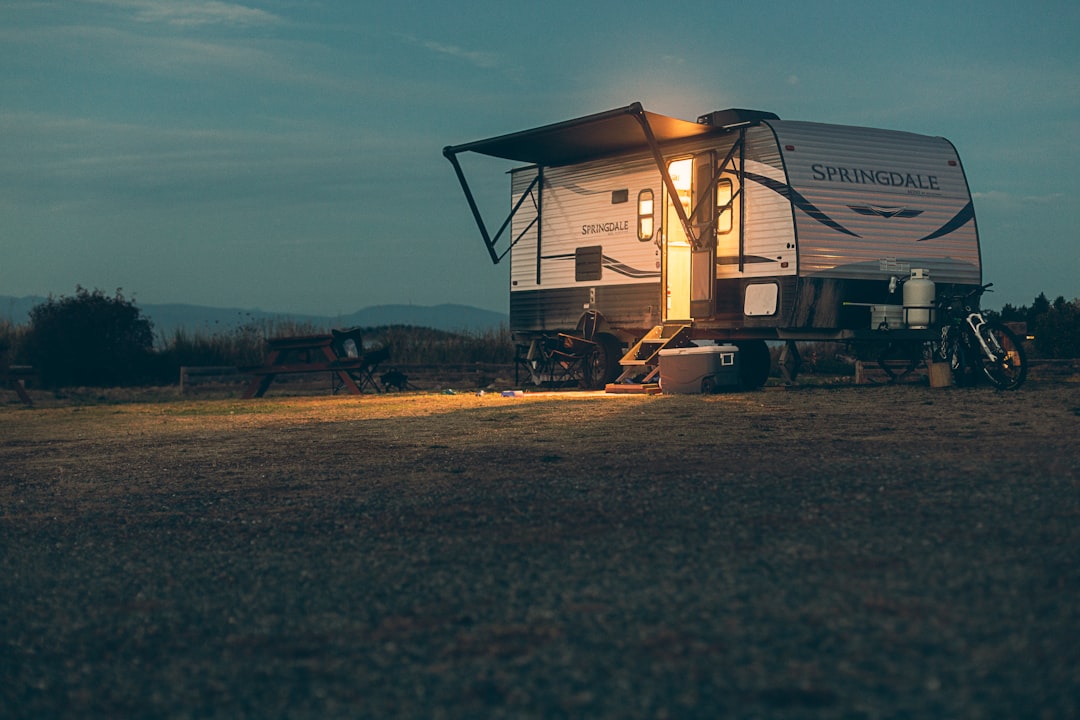
Boondocking in a rented RV sounds like the ultimate escape. No crowded campgrounds. No checkout times. Just you and a quiet stretch of land under the stars. For first-time renters with zero off-grid experience, the idea is thrilling and terrifying at the same time.
I had a couple email me last month saying they wanted to boondock in their rental Class C for a week in the Utah desert. They had never boondocked before, never even dry-camped. I told them to start with one night. They did—and came back saying it was the best part of their entire trip. The second time out, they lasted three nights. The third time, they were planning a week.
That’s how it works. Boondocking isn’t about gear or experience—it’s about starting small, paying attention to your resources, and knowing when to bail. This guide walks first-time renters through exactly what to expect, from finding legal spots to managing water and power without hookups. Use the Boondocking Water & Battery Calculator to estimate your resource needs before you go.
Photo by Hugo Sousa on Unsplash
First: Check If Your Rental Allows Boondocking
Before you start researching locations, the very first thing is to read your rental agreement. Not every owner or platform allows off-grid camping, and violating the terms can void your insurance and cost your deposit.
Some hosts explicitly prohibit remote dirt roads or dispersed camping for insurance reasons. Others welcome boondocking but set conditions: return the RV with full tanks, limit generator hours, or stay within a certain distance of services. A few peer-to-peer hosts actually prefer boondockers because their rigs get less wear on paved campground sites.
Questions to ask the owner before booking:
- Is boondocking or dispersed camping allowed under the rental terms?
- Does the RV have a generator, and if so, what are the daily hour limits?
- What is the fresh water tank capacity?
- How are the house batteries charged? Is there solar?
- Are there restrictions on dirt roads or wilderness areas?
Getting these answers upfront saves you from awkward phone calls from the middle of nowhere. If your rental does not allow boondocking, consider a dry campground site instead—it gives you a similar experience with the safety net of nearby facilities.
Where You Can Legally Boondock
Boondocking rules vary by land agency and state or province. The good news is that millions of acres of public land allow free or low-cost dispersed camping. Here’s what beginners need to know:
Bureau of Land Management Land (US)
BLM land is the most popular boondocking destination in the United States. You can camp for free on most BLM land for up to 14 days within a 28-day period, though some areas near popular trails restrict stays to just 3 days during peak season. Look for areas away from developed recreation sites and at least 200 feet from water sources. Popular BLM boondocking areas surround Joshua Tree, Moab, Quartzsite, and the Alabama Hills.
National Forests (US)
The US Forest Service allows dispersed camping in most national forests for free, typically with a 14-day stay limit. You must camp a minimum distance from roads, trails, and water sources—usually 200 feet. Always check the local forest website for current fire restrictions, road closures, and any special rules before you go.
Canada: Crown Land
In Canada, Crown land offers similar dispersed camping opportunities. Canadian residents can often camp for free on Crown land, while non-residents may need a permit. Provincial parks sometimes offer backcountry camping for a small fee. Rules vary by province, so research the specific region you plan to visit.
What About Parking Lots?
Walmart, Cabela’s, and some casino parking lots allow overnight RV parking. These are not true boondocking spots, but they make excellent practice locations for your first time. You can test your setup, monitor water and battery usage, and get comfortable with the RV’s systems without being far from a gas station. Always call ahead and follow posted signs.
For help finding spots, our RV Campsite Finder Quiz matches your travel style and rig size to campground and boondocking options.
Step-by-Step: Your First Boondocking Trip
Start with a single overnight within an hour of a town or full-hookup campground. This gives you an escape route if things don’t go as planned. Here’s your day-by-day breakdown:
Day 1: Prepare and Drive
- Fill the fresh water tank completely before leaving services.
- Check the propane level and confirm the tank is full.
- Charge all devices and portable power banks while driving.
- Download offline maps of the area, including forest service roads.
- Note the nearest dump station and fresh water refill point.
- Leave early enough to arrive at your boondocking spot in full daylight.
When You Arrive
- Pull off the main road onto a durable surface—avoid mud, soft sand, and steep grades.
- Level the RV using leveling blocks.
- Do a quick check: cell service, ground stability, overhead clearance for branches.
- Set up your outdoor area (chairs, table) away from the RV’s slide-outs.
- Take a photo of your campsite so you can find it easily when you leave.
Evening Routine
- Cook dinner, run the water pump, charge your phone—notice how each action affects your battery monitor and tank gauges.
- If using a generator, run it during evening hours to recharge batteries before quiet time.
- Turn off all unnecessary lights and appliances before bed.
Morning Check
- Check the fresh water level—how much did you use?
- Check the battery voltage—did it hold overnight?
- Estimate how many more days your resources would last at this rate.
This process gives you a real sense of how your specific rig behaves off-grid, which is more valuable than any spec sheet. Most beginners are surprised by how much (or how little) water and power they actually use.
Managing Water Without Hookups
Water is the resource that runs out first. A typical rental Class C carries 30-50 gallons of fresh water. Two people taking normal showers and washing dishes can drain that in a single day without realizing it.
The key is conservation without misery:
- Take navy showers: get wet, turn water off, soap up, then rinse quickly.
- Use paper plates and disposable utensils for some meals to cut dishwashing time.
- Collect the cold water that runs before the shower warms up and use it for drinking or cooking.
- Brush teeth with a cup of water instead of leaving the tap running.
- Use public restrooms or campground bathhouses when available to save your tank.
A friend of mine brings extra 5-gallon water jugs and uses those for drinking and cooking, reserving the fresh tank for showers and toilet flushing. That small adjustment stretches water from one day to three.
For a realistic estimate of how long your water will last, try the Boondocking Water & Battery Calculator. It factors in your tank size and daily usage habits to give you a safe timeframe.
Power Management: Batteries, Generators, and Propane
Without shore power, your house battery is the only thing keeping lights, the water pump, and the fridge running. Most rental RVs have a single 12-volt battery that lasts one to three days with conservative use.
Battery Tips
- Switch all lights to LED if the RV allows it, and turn them off when not needed.
- Run the fridge on propane instead of electric to save battery power.
- Charge phones and tablets from a portable power bank rather than the RV inverter.
- Limit inverter use for high-draw items like microwaves and coffee makers.
- Run the generator during daytime hours to recharge the battery—never at night.
Generator Etiquette
If your rental includes a generator, quiet hours still apply even on public land. Most areas prohibit generator use between 10 p.m. and 7 a.m. Generator noise travels far and disturbs wildlife and other campers. Plan to run it during midday when you’re active.
Propane for Off-Grid Comfort
Propane powers your furnace, water heater, stove, and refrigerator when not plugged in. A full propane tank is essential, especially in cool weather when the furnace runs frequently. Check the level before you leave and carry a spare if you plan more than two nights off-grid.
Safety First: What Could Go Wrong
Most beginner boondocking issues are minor and manageable if you’ve planned ahead:
- Dead battery: Switch to propane for the fridge, turn off all non-essential systems, and conserve power until you can reach shore power.
- Empty water tank: Switch to bottled water from your emergency supply. Head to the nearest gas station or campground to refill.
- Getting stuck: Carry traction mats or non-clumping cat litter for extra grip on soft ground. Avoid driving on wet dirt roads.
- No cell service: Download offline maps before you leave. Share your location and expected return time with someone at home.
For a complete emergency reference, keep the RV Emergency Checklist printed and accessible in the cab.
Boondocking Checklist for Beginners
- Confirm boondocking is allowed in your rental agreement
- Fill the fresh water tank completely before leaving services
- Check propane level and confirm the tank is full
- Test the generator and note its hour limits
- Charge all devices and portable power banks
- Download offline maps of the area
- Note the nearest dump station and fresh water refill
- Check fire restrictions for the area
- Pack extra drinking water as a backup
- Share your planned location with someone at home
- Arrive at your boondocking spot in full daylight
- Monitor battery and water levels daily
When to Extend Your Stay
After your first successful overnight, you’ll have a real sense of your resource usage. If things went smoothly, extend to two nights on your next trip. Three nights is the practical limit for most beginners before fresh water, gray tank space, and battery charge need replenishing.
The freedom of waking up to silence, with no neighbor’s generator humming and no check-out time looming, is what keeps people coming back. Start small, learn your rig, and expand one trip at a time. The Boondocking Water & Battery Calculator takes the guesswork out of planning, so you can focus on enjoying the experience rather than stressing about supplies.
Disclaimer: This guide offers general beginner educational information only. Complex RV mechanical maintenance, repairs and safety adjustments should be completed by certified RV professionals. Always follow your RV rental company and vehicle manufacturer instructions.
Quick answers