How to Use RV Propane for New Renters (Step-by-Step No Experience)
New to RV rentals? Learn how to use RV propane safely and confidently with this step-by-step beginner guide covering tank types, leak detection, and appliance operation.
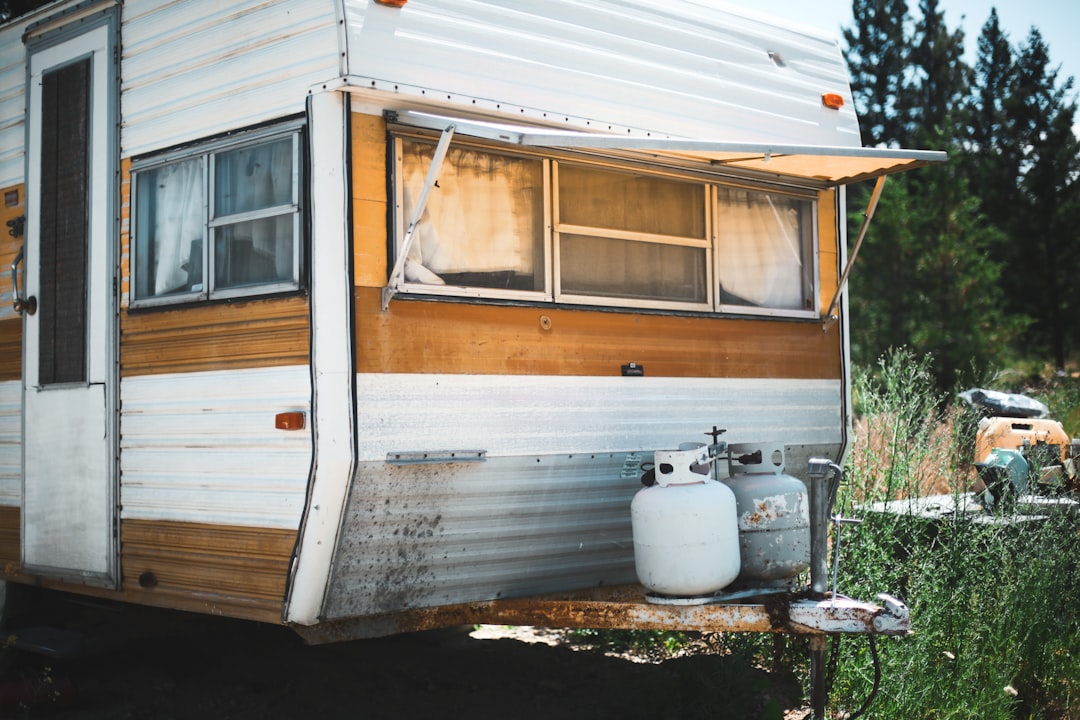
Propane is the lifeblood of an RV trip. It powers your furnace, refrigerator, water heater, and cooktop — the systems that make the difference between a comfortable trip and a cold, hungry one. But for new renters, the word “propane” often triggers anxiety. It sounds technical, it involves gas, and nobody wants to be the person who accidentally depletes the tank on day one or creates a safety hazard.
The good news is that using RV propane is straightforward once you understand the basics. You don’t need a mechanical background or any special skills. You need to know what propane powers, how to check the level, how to turn it on and off, and the safety rules. This step-by-step guide covers everything a new renter needs to know, no experience required.
What Propane Powers in a Rented RV
The first step is understanding what your propane tank actually runs. Most rented motorhomes and travel trailers use propane (also called LP gas) for several onboard systems. Knowing which ones helps you plan usage and avoid running out at the worst moment.
Common Propane-Powered Systems
- Furnace: The biggest propane consumer, especially on cold nights. A furnace can burn through a 20-pound tank in 2–3 days in 40-degree weather.
- Refrigerator: Many RV fridges run on propane when shore power is unavailable. Newer models switch automatically between electric and propane.
- Water heater: Heats tank water for showers and sinks. Usually 6–10 gallons, heated by a propane burner.
- Cooktop and oven: Burns propane directly, like a home gas range. Some models have electric ignition; others have a pilot light.
- Exterior grill hookup: Some rigs have a quick-connect port for a portable grill.
Small camper vans often skip the furnace and use a diesel or electric heater instead, using propane only for the cooktop. Always confirm at your rental walkthrough which systems in your specific rig run on propane — it varies widely between models.
Two Main Propane Tank Types
Rented RVs use two basic tank types. Which one you have determines how you check the level and how you refill.
DOT Cylinders (Portable Tanks)
These are the familiar 20-pound tanks you see at hardware stores and campgrounds. They’re common on travel trailers and small Class C motorhome rentals.
- Capacity: 20 pounds = about 4.7 gallons of propane
- Refill method: Exchange at a propane station or hardware store, or refill at a propane dealer
- How to check level: Pour warm water down the side and feel with your hand — the cold line marks the propane level
- Shutoff valve: Round knob on top, turn clockwise to close
ASME Tanks (Fixed Mounted Tanks)
These are permanently mounted on larger motorhomes (Class A and some Class C). They’re larger and more convenient for longer trips.
- Capacity: 20–40 gallons (80–160 pounds)
- Refill method: Only at certified propane dealers — you can’t exchange them
- How to check level: Use the interior monitor panel or external gauge
- Shutoff valve: Wheel or lever handle, usually near the tank
Your rental walkthrough should point out which tank type you have and where the shutoff valve is located. If it’s not clear, ask before leaving the lot.
Step-by-Step: Using RV Propane for the First Time
Let’s walk through the complete process from startup to shutdown. Follow these steps in order every time.
Step 1: Do a Pre-Trip Safety Check
Before doing anything with propane, run through this safety checklist:
- Test the propane detector. Press the test button on the LP detector (usually mounted low on a wall near the floor). It should beep when tested. If it doesn’t, notify the rental company immediately.
- Test the carbon monoxide detector. Press its test button too. CO detectors are usually mounted higher, often combined with smoke alarms.
- Check for gas odors. Propane smells like rotten eggs or sulfur because of an additive called ethyl mercaptan. Sniff around the tank, regulator, and appliance connections. If you smell anything, stop and contact the rental company.
- Check exterior vents. Make sure the fridge vent and furnace exhaust on the outside of the RV are clear of storage bins, tarps, or debris.
Step 2: Check the Propane Level
You should check the propane level every morning before using appliances. Here’s how:
For DOT Cylinders (Portable)
- Pour a slow stream of warm tap water down the side of the tank.
- Run your hand down the metal surface.
- You’ll feel a distinct temperature change — cold where the liquid propane is, warm where the tank is empty.
- The line where cold meets warm is your propane level.
A full 20-pound tank should feel cold almost to the top. If only the bottom half feels cold, you’re running low.
For ASME Tanks (Fixed)
- Check the interior monitor panel. It usually has a reading for the LP tank alongside fresh water, gray water, and black water levels.
- Some tanks have an external sight glass or gauge — check it for the level.
Step 3: Turn On the Main Propane Supply
The main shutoff valve controls propane flow to all appliances. It’s located at the tank.
- Open the valve slowly. Turn the knob (DOT cylinder) or wheel (ASME tank) counterclockwise until it stops. Don’t force it — if it doesn’t turn easily, check for debris or call the rental company.
- Listen for leaks. When you open the valve, listen carefully for a hissing sound or smell for gas. If you detect either, close the valve immediately and contact the rental company.
- Wait 30 seconds. This allows pressure to equalize in the system.
Step 4: Turn On Individual Appliances
Now you can operate the propane-powered systems one by one. Here’s how for the most common ones:
Furnace
- Set your thermostat to the desired temperature (typically 65–70°F for comfort).
- The furnace should ignite automatically. You’ll hear a click followed by the blower starting.
- If it doesn’t ignite, turn the thermostat off, wait 30 seconds, and try again.
- Never light the furnace with a match or lighter. If it won’t ignite, contact the rental company.
Refrigerator
- Most RV fridges have a control panel with settings like “Gas” or “Auto” (which switches between gas and electric).
- Select “Gas” (or “Propane”) if you’re not connected to shore power. If you have an electric hookup, use “Auto” or “Electric” to save propane.
- Give the fridge 15–30 minutes to cool down before loading it with food.
- Check that the fridge exterior vent is clear — it needs airflow to work properly.
Water Heater
- Turn on the water heater using its switch, usually located near the heater itself or on a control panel.
- Set the thermostat to 120°F (the default for most RVs). Any hotter and you risk scalding.
- Wait 10–20 minutes for the water to heat up. You’ll hear the burner click on and off as it maintains temperature.
- Turn off the water heater when you’re done using hot water to save propane.
Cooktop
- Push in and turn the burner knob to the “Light” or “Ignite” position.
- You’ll hear a clicking sound from the igniter. Keep the knob pushed in for 5–10 seconds after the flame lights to warm the thermocouple (a safety device that keeps the gas valve open).
- Release the knob and adjust the flame to your desired heat level.
- To turn off, turn the knob clockwise to the “Off” position.
Step 5: Turn Off the Propane When Not Needed
When you’re done using propane appliances for the day, turn off the main supply valve at the tank. This prevents accidental gas flow if a valve is left open inside. Also turn off individual appliances at their controls.
Exception: If you’re driving and want to keep the fridge cold, you can leave the propane on. But check with your rental company — some ask you to turn it off while driving, and some states restrict propane use in tunnels.
How to Refill or Exchange a Propane Tank
Running out of propane mid-trip is frustrating, especially if it happens at night when you need the furnace. Here’s how to handle it:
For DOT Cylinders (Portable)
You have two options:
- Exchange: Swap your empty tank for a full one at a propane station, hardware store, or many Walmart/Target locations. This is faster but costs slightly more.
- Refill: Get your tank refilled at a certified propane dealer. This is cheaper but takes longer because they have to weigh and fill it.
A 20-pound tank exchange typically costs $20–$35. A refill costs about $3–$5 per pound, so a full 20-pound refill runs $15–$25.
For ASME Tanks (Fixed)
These can only be refilled at certified propane dealers. You can’t exchange them because they’re mounted permanently on the RV. Look for propane refill stations on your route — apps like GasBuddy or AllStays show locations.
Typical ASME tank refills cost $40–$80 depending on tank size and current propane prices.
Propane Safety Rules Every Renter Must Follow
Propane is safe when used correctly, but it demands respect. Follow these safety rules at all times:
Rule 1: Never Use Portable Propane Appliances Indoors
Portable propane heaters, camp stoves, and grills are designed for outdoor use only. Using them inside the RV can cause carbon monoxide buildup, which is deadly. The RV’s built-in appliances have sealed combustion chambers that vent outside — portable appliances don’t.
Rule 2: Keep Detectors Tested and Operational
Your RV has a propane (LP) detector and a carbon monoxide detector. Test both at the start of every trip using their test buttons. Never disable them, and replace batteries if they start chirping.
Rule 3: Know the Leak Detection Steps
If you smell propane (rotten eggs or sulfur):
- Do not light anything — no matches, lighters, or appliance ignition.
- Do not flip electrical switches on or off — sparks can ignite gas.
- Turn off the main propane valve at the tank if you can safely reach it.
- Open all windows and doors to ventilate.
- Leave the RV and move upwind.
- Call the rental company or 911 from outside the rig.
Rule 4: Turn Off Propane Before Refueling
Gasoline vapors and propane are a dangerous combination. Always turn off the main propane valve at the tank before pulling into a gas station. Turn it back on after you’ve finished refueling and are parked safely.
Rule 5: Store Propane Tanks Properly
If your rental has portable DOT cylinders, store them in a well-ventilated area, never in a closed compartment or inside the RV. The rental should have a dedicated tank mount or exterior storage.
Common Beginner Propane Mistakes
Even with the best intentions, new renters make avoidable propane mistakes:
Leaving the Furnace on High All Night
Many beginners crank the furnace to 75°F and leave it running all night. A furnace on high can burn through a 20-pound tank in less than 24 hours. Set it to 65°F at night and use extra blankets.
Forgetting to Turn Off Propane at Fuel Stops
This is a safety hazard and can also cause pilot lights to go out, leaving you without hot water or heat after refueling.
Ignoring a Chirping Detector
A chirping propane or CO detector means the battery is low or it’s detecting something. Never ignore it — replace the battery immediately or stop using propane until you can resolve the issue.
Assuming the Fridge Is on Propane
Newer RV fridges have an “Auto” setting that switches between propane and electric automatically. Beginners sometimes think they’re running on propane when the fridge is actually on electric (or off), leading to spoiled food or unexpected propane depletion. Always check the control panel.
Not Checking the Tank Level Before a Long Drive
Running out of propane while driving means no hot water, no furnace, and no cool fridge. Check the level every morning and before long driving days.
Using the Wrong Ignition Sequence
Some RV cooktops require you to hold the knob in for 5–10 seconds after ignition to warm the thermocouple. Releasing it too early causes the flame to go out immediately. This is the #1 cooktop complaint from beginners.
Daily Propane Routine for Renters
Build this simple routine into your mornings and evenings:
Morning
- Test propane and CO detectors (quick button press)
- Check tank level
- Turn on main propane valve
- Turn on fridge (use electric if shore power available)
- Turn on water heater if needed for showers
- Leave furnace off during the day unless it’s very cold
Evening
- Turn on furnace (set to 65°F)
- Turn on water heater for dishes and showers
- Turn off appliances not in use
- Before bed, check detector lights are green
- Leave a flashlight and shoes by the door in case of emergency
Before Driving
- Turn off main propane valve at the tank
- Turn off all propane appliances
- Wait 30 seconds before refueling if needed
Estimating Propane Usage for Your Trip
A 20-pound DOT cylinder lasts:
- Furnace only: 2–3 days (cold weather, 40°F) to 6–7 days (mild weather, 60°F)
- Fridge + cooking only: 7–10 days
- Full use (furnace + fridge + water heater + cooking): 2–4 days
For a typical 7-day trip in moderate weather (50–70°F), one 20-pound tank is usually enough for two people using the furnace sparingly and cooking most meals inside.
Want a more precise estimate? Use our RV Propane Calculator to model your specific rig, outside temperature, and usage habits.
Quick Reference Card: RV Propane Do’s and Don’ts
| Do | Don’t |
|---|---|
| Do test detectors at trip start | Don’t use portable propane appliances indoors |
| Do check tank level every morning | Don’t leave propane on at fuel stations |
| Do open the valve slowly and listen for leaks | Don’t ignore a chirping detector |
| Do hold the cooktop knob 5–10 seconds after ignition | Don’t crank the furnace above 70°F overnight |
| Do turn off the main valve when not using propane | Don’t light appliances with matches or lighters |
| Do store DOT cylinders in well-ventilated areas | Don’t leave children unattended near propane appliances |
FAQ
Q: Can I use the RV’s propane to power a grill?
A: Many rentals have an exterior quick-connect port for a propane grill. Bring a compatible grill or check if the rental company offers one. Never use an open flame grill near the RV’s siding or awnings.
Q: Why won’t my furnace ignite?
A: The most common reasons are: empty propane tank, air in the line (purge by opening a stove burner for 30 seconds), dirty sensor, or a tripped safety switch. If none of these work, contact the rental company.
Q: Is it safe to run the furnace all night?
A: Yes, as long as you follow the safety rules. Keep a window slightly cracked for ventilation, make sure the detector is working, and set the thermostat to 65°F (not higher). Running it on high all night will deplete the tank quickly.
Q: What should I do if I run out of propane?
A: Switch to shore power for the fridge and water heater if available. Layer up with blankets instead of using the furnace. Cook on a camp stove outside (never inside). Refill or exchange the tank as soon as possible.
Q: How do I know if my propane detector is working?
A: Press and hold the test button for 2–3 seconds. It should beep loudly. If it doesn’t beep, the battery is dead or the detector is faulty. Notify the rental company immediately — do not use propane until it’s fixed.
Q: Can I refill a DOT cylinder myself?
A: It’s not recommended. Certified propane dealers have the proper equipment and training. Self-refilling is dangerous and illegal in many areas. Always use a professional or exchange service.
Final Thoughts
Using RV propane safely comes down to understanding what it powers, checking the level regularly, following the safety rules, and building a simple daily routine. The intimidation factor fades after the first day or two. Once you’ve turned the valve on and off a few times and used the appliances, it becomes second nature.
Before your trip, run your expected usage through the RV Propane Calculator to estimate how long your tank will last. Review the RV propane 101 guide for more detailed information, and make sure you know the emergency procedures just in case. Propane is a reliable, efficient energy source for RVing — when you treat it with respect and follow the rules, it will serve you well.
Disclaimer: This guide offers general beginner educational information only. Propane systems involve inherent hazards. Always follow your RV rental company instructions and the manufacturer’s guidelines for your specific rig. If you detect a gas leak or smell, evacuate immediately and contact emergency services.