RV Kitchen Essentials: What to Bring for Cooking on the Road
Updated for 2026. Stock your RV kitchen with essential gear for beginner-friendly camp cooking and meal prep.
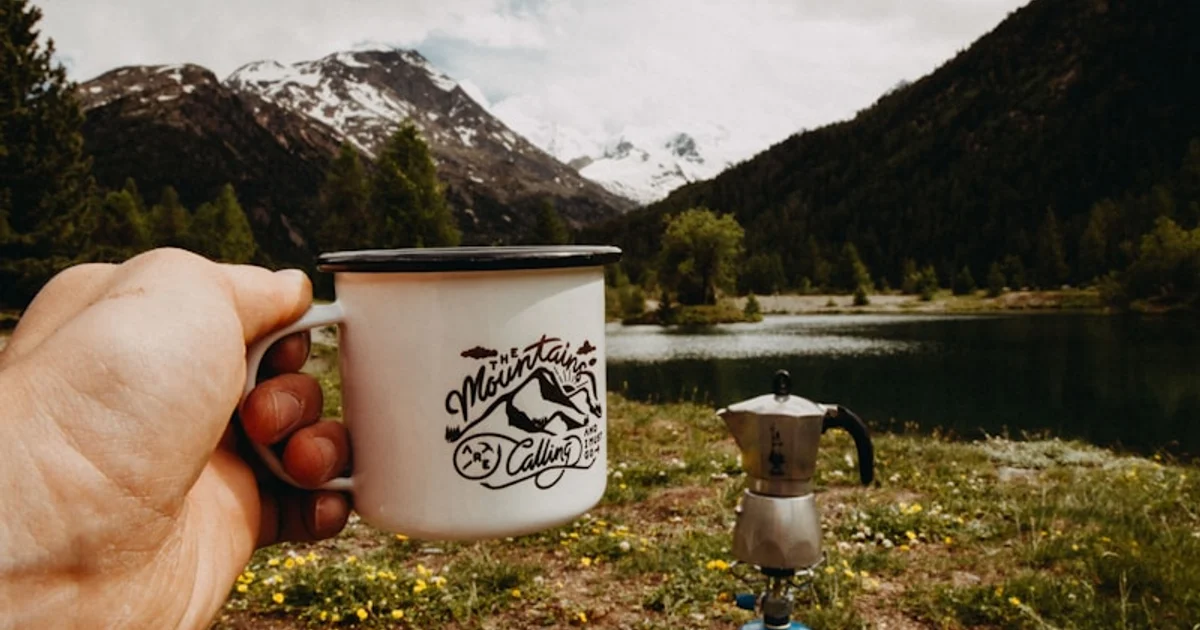
Photo by Brooke Lark on Unsplash
Let me ask you something: what’s the best part of camping? For me, it’s cooking outdoors after a day of hiking or exploring. There’s nothing like preparing a meal surrounded by nature, with the smell of campfire smoke in the air. But RV kitchens are small, so you need to be strategic about what you bring.
Many first-time RVers either overpack their kitchen or forget essential items. We once had customers who brought a full set of stainless steel cookware from home—they couldn’t fit half of it in the RV’s tiny cabinets. On the other hand, we’ve had customers who forgot to bring a can opener and had to eat only pre-packaged food for three days. Don’t let either of these be you.
Photo by Brooke Lark on Unsplash
Cookware: What You Need
RV kitchens have limited space, so choose versatile, lightweight cookware. And let me tell you—you don’t need as much as you think.
- Pots and pans: 1-2 sizes that nest together. A medium pot and a small pot are usually enough.
- Skillet: A medium-sized non-stick skillet. This is the most-used item in any RV kitchen.
- Dutch oven: Great for camping meals and can be used over a campfire. But it’s heavy—only bring it if you plan to use it.
- Coffee maker: Most RVs have one, but bring your favorite if not. Coffee is non-negotiable for many people.
- Kettle: For boiling water and making tea. A small electric kettle is perfect.
- Cooking utensils: Spatula, tongs, wooden spoon, whisk. Bring the basics—you don’t need 10 different utensils.
- Can opener: Manual or electric. We once had customers who forgot this—big mistake.
- Measuring cups and spoons: Essential for baking. But if you don’t plan to bake, you can skip them.
- Cutting board: Lightweight and easy to clean. A small plastic one works fine.
Wait, should you bring non-stick or stainless steel cookware? Realistically, non-stick is better for RVs. It’s easier to clean and lighter. Just be careful not to use metal utensils on it.
Photo by Brooke Lark on Unsplash
Utensils and Dinnerware
Pack enough for everyone, but keep it minimal. And let me tell you—breakable items are a bad idea in an RV.
- Plates and bowls: Lightweight plastic or melamine. They’re unbreakable and easy to clean.
- Cups and mugs: Unbreakable options. Stainless steel or plastic is best.
- Silverware: Sets for each person. Bring enough for two meals—you don’t want to wash dishes after every meal.
- Glasses: Plastic or stainless steel. No wine glasses unless you’re really committed to fancy dining.
- Napkins: Paper or cloth. Cloth napkins are nicer, but paper is easier.
- Dish soap and sponge: Bring biodegradable soap for outdoor cleaning.
- Dish towel: Quick-drying options. Microfiber towels dry fast.
This is one of the biggest hidden mistakes buyers make: bringing nice dishes from home. We once had customers who brought their favorite ceramic plates—one broke on the first day, and they spent the rest of the trip eating off paper plates. Save the nice stuff for home.
Food Storage
Proper food storage is essential in an RV. And let me tell you—RV fridges are small, so organization is key.
- Refrigerator organizer: Maximize space in the RV fridge. Stackable containers are great.
- Storage containers: BPA-free containers in various sizes. Perfect for leftovers.
- Ziplock bags: For snacks and leftovers. Freezer bags are more durable.
- Cooler: For extra drinks or food that doesn’t fit in the fridge. A good cooler keeps things cold for days.
- Ice packs: Reusable options are best. They don’t melt and make a mess.
- Food bags: Mesh bags for fruits and vegetables. They keep produce fresh longer.
- Trash bags: Heavy-duty bags for waste. Always leave your campsite cleaner than you found it.
Actually, here’s a pro tip: freeze water bottles and use them as ice packs in your cooler. They keep things cold, and when they melt, you have drinking water. Genius, right?
Pantry Staples
Keep these essentials on hand. And let me tell you—having the basics means you can make almost any meal.
- Spices and seasonings: Salt, pepper, olive oil, and your favorites. Don’t bring the whole spice rack—just the ones you use most.
- Non-perishable foods: Pasta, rice, canned beans, and soups. These are cheap and filling.
- Snacks: Granola bars, trail mix, nuts, and dried fruit. Perfect for hiking or road trips.
- Coffee and tea: Your favorite blends. Don’t forget the creamer if you use it.
- Condiments: Ketchup, mustard, mayo, and hot sauce. Travel-sized bottles are great.
- Baking supplies: Flour, sugar, baking powder (if you plan to bake). Skip these if you’re not a baker.
Small Appliances
Only bring what you really need. And let me tell you—RV electrical systems can be finicky, so don’t overload them.
- Toaster or toaster oven: If you love toast. A toaster oven is more versatile.
- Electric griddle: Great for pancakes and breakfasts. But it uses a lot of power.
- Slow cooker: Perfect for one-pot meals. Just plug it in before you leave for the day.
- Blender: For smoothies and drinks. A personal blender is small and convenient.
- Air fryer: Compact options are available. But again, it uses a lot of power.
Outdoor Cooking Gear
If you plan to cook outside, these are essential. And let me tell you—cooking over a campfire is a whole new experience.
- Camp stove: Portable propane stove. Great for cooking when you’re not at a campsite with hookups.
- Grill: Small portable grill. Most RVs have a built-in grill, but a portable one is useful.
- Fire pit: For campfire cooking. Many campgrounds require portable fire pits.
- Cast iron skillet: Great for campfire cooking. It holds heat well and gives food a nice char.
- Camp cookware: Lightweight pots and pans. Perfect for backpacking or day trips.
- Roasting sticks: For marshmallows and hot dogs. Kids love these.
Common Mistakes to Avoid
- Overpacking: Only bring what you need—you can buy most things locally. We once had customers who brought a 12-piece cookware set; they used 3 pieces the entire trip.
- Bringing heavy items: Choose lightweight, compact options. Heavy pots and pans take up too much space.
- Forgetting cleaning supplies: Dish soap, sponges, and towels are essential. You can’t cook without cleaning up.
- Not planning meals: Plan your meals ahead to avoid food waste. Don’t buy perishables that will spoil before you eat them.
- Bringing perishables that spoil: Only bring what you can eat quickly. Fresh produce is great, but don’t buy too much.
Beginner Checklist: RV Kitchen Essentials
Cookware:
- 1-2 pots (nesting)
- Non-stick skillet
- Dutch oven (optional)
- Coffee maker
- Kettle
- Cooking utensils (spatula, tongs, spoon)
- Can opener
- Measuring cups and spoons
- Cutting board
Dinnerware:
- Plates (plastic/melamine)
- Bowls
- Cups and mugs
- Silverware sets
- Glasses (plastic/stainless)
- Dish soap (biodegradable)
- Sponge and scrub brush
- Dish towel
Food storage:
- Storage containers (various sizes)
- Ziplock bags
- Cooler
- Ice packs
- Food bags for produce
- Trash bags
Pantry staples:
- Spices (salt, pepper, olive oil)
- Non-perishable foods
- Snacks
- Coffee/tea
- Condiments
Outdoor cooking (optional):
- Camp stove
- Portable grill
- Fire pit
- Cast iron skillet
FAQ
Q: How much kitchen gear should I bring? A: Only bring what you need for your trip. Start with the essentials and add more if needed.
Q: Can I use the RV stove for cooking? A: Yes, most RVs have a propane stove/oven combo that works well for cooking. Just make sure you know how to use it before your trip.
Q: Should I bring a portable grill? A: If you enjoy outdoor cooking, a portable grill is a great addition. But most RVs have a built-in grill.
Q: What kind of plates should I bring? A: Lightweight plastic or melamine plates are best—they’re unbreakable and easy to clean.
Q: Can I bake in an RV oven? A: Yes, most RV ovens work for baking, but they may take longer than home ovens. They also tend to be smaller, so you can’t bake large items.
Keep in mind that cooking in an RV is all about simplicity. You don’t need a fancy kitchen to make great meals. With the right essentials and a little creativity, you can cook delicious food that tastes even better because you’re eating it outdoors. So pack smart, plan your meals, and enjoy the experience of cooking in your mobile kitchen.