Can You Bring Pets in a Rented RV? Rules & Tips 2026
Updated for 2026. Discover the rules for bringing pets in a rented RV. Learn about fees, preparation, safety tips, and cleaning requirements for pet-friendly RV trips.
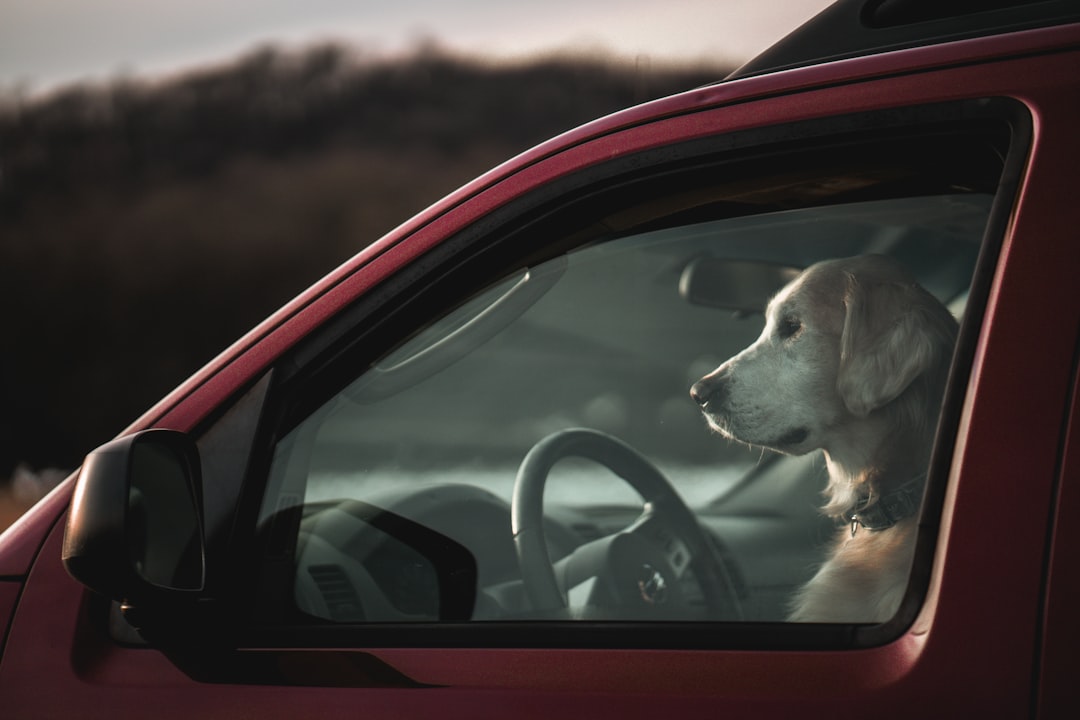
Your dog is part of the family—so it makes sense to bring them along on your RV adventure. But before you click “book now,” you need to understand the pet policies, fees, and preparation requirements that vary dramatically between rental companies. A family we know showed up at their rental lot last summer with their golden retriever, only to find the owner had a strict no-pets policy. They’d driven three hours and had to leave their dog at a boarding facility last minute. Total nightmare.
Photo by Joshua Woroniecki on Unsplash
The short answer: Yes, you can bring pets in many rented RVs, but the rules differ based on the owner, platform, and type of RV. This guide covers everything you need to know to travel with your furry friend without surprises.
Understanding Pet Policies Across Rental Platforms
Pet rules are set by individual RV owners, not the rental platforms themselves. Two identical motorhomes on the same website can have completely different pet policies. Here’s what to look for:
Platform Filters May Not Tell the Whole Story
Most platforms (Outdoorsy, RVshare, etc.) have a “pets allowed” filter, but it only shows you RVs where the owner has indicated pets are welcome. You still need to verify the specific details:
- How many pets are allowed?
- Is there a weight limit per pet?
- Are certain breeds excluded?
- Are cats allowed?
- Is there a fee?
Pro tip: Always read the full RV listing description. Some owners write “pets considered” rather than a flat yes or no. Others charge pet fees that aren’t immediately visible.
Commercial Rental Companies vs. Peer-to-Peer
Commercial fleets like Cruise America and El Monte typically have standardized pet policies:
- Flat per-pet fee ($100-$150 on average)
- Weight limits (usually under 100 pounds)
- No aggressive breeds (varies by company)
- Maximum 2 pets per rental
Peer-to-peer platforms (Outdoorsy, RVshare) offer more flexibility but less consistency:
- Some owners allow pets for free
- Others charge $50-$300
- A few require a refundable deposit ($200-$500)
- Breed restrictions vary wildly
Questions to Ask Before Booking
Never assume—ask these questions in writing before confirming your reservation:
- How many pets are allowed, and what are the weight limits?
- Is there a pet fee, deposit, or additional cleaning charge?
- Are cats allowed, or dogs only?
- Are there breed restrictions?
- Are pets allowed on furniture, or must they stay on the floor?
- What happens if the RV is returned with pet hair, odor, or damage?
- Do you provide pet beds or are we responsible for bringing our own?
Getting answers in writing protects your security deposit. If an owner is vague or won’t confirm details, keep looking.
Pet Fees: What to Expect
Pet costs can add up quickly if you’re not prepared. Here’s a breakdown of typical fees:
| Fee Type | Typical Range | Notes |
|---|---|---|
| Non-refundable pet fee | $50-$250 | One-time charge, usually per pet |
| Refundable deposit | $200-$500 | Returned if no damage or excessive hair |
| Extra cleaning fee | $50-$200 | Charged if more cleaning is needed |
| Daily pet fee | $10-$25 | Some companies charge per day |
| Campground pet fee | $2-$5 per night | Most campgrounds charge this |
Budget tip: Use the RV packing checklist to estimate your total trip costs, including pet-related expenses.
Preparing Your Pet for RV Travel
Even a well-behaved house pet can find an RV overwhelming. Motion, new smells, and tight quarters are stressful. Preparation should start at least two weeks before your trip.
Vet Visit Before You Go
Schedule a checkup within 30 days of departure and ask your vet about:
- Motion sickness medication (especially for cats and small dogs)
- Anxiety aids if your pet gets stressed in cars
- Region-specific risks (ticks, heartworm, etc. at your destinations)
- Health certificate if crossing state or provincial borders
- Updated vaccination records (some campgrounds require these)
Acclimate Your Pet to the RV
If possible, let your pet explore the RV before your trip:
- Bring them inside while the RV is parked
- Offer treats and meals in the rig to create positive associations
- Take short test drives (30 minutes to an hour) to gauge motion sickness
- Practice getting in and out through the RV door or window
A customer told us about her dog throwing up for three straight days because she skipped the test drives. The dog was fine on short trips but couldn’t handle the constant movement of long highway drives.
Packing the Right Pet Supplies for an RV Trip
Space is limited in a rented RV, so pack deliberately. A focused pet kit beats a sprawling pile of “just in case” items:
| Item | Why It Matters | Pro Tip |
|---|---|---|
| Crash-tested harness or carrier | Safety while driving | Never let pets ride loose in a moving RV |
| Collapsible bowls | Saves space in the kitchen | Store flat under the sink |
| Pre-portioned food | Avoids spills and overpacking | Add 2-3 extra days for emergencies |
| Bottled water | Prevents stomach upset from tap water | Start with water from home |
| Waste bags + small trash bin | Cleanliness on the road | Bring twice as many as you think you need |
| Pet first aid kit | Emergency situations | Include tweezers for removing ticks |
| Familiar bedding or toy | Reduces anxiety | Dogs especially need their “safe space” |
| Non-slip mat | Prevents slipping on RV floors | Place in the pet’s designated area |
| Towels + pet-safe wipes | Muddy paws and accidents | Keep near the entry door |
| Cooling mat (summer) | Heat safety | RVs heat up to 100°F in 20 minutes, even with windows open |
Safety While Driving
Driving with a loose pet in a motorhome is dangerous for both of you. Here’s what you need to know:
Restraint Is Non-Negotiable
- Dogs: Use a crash-tested harness attached to a seatbelt clip or a secured travel crate in the cargo area
- Cats: Always travel in a covered carrier to reduce stress and prevent escape
- Small pets (rabbits, birds): Use a ventilated carrier placed in a stable spot away from vents and direct sunlight
Never let pets ride in overhead bunks, on dashboards, or loose in the passenger area. Sudden stops can send them flying. I’ve seen dogs hit dashboards and break bones because they weren’t secured.
Temperature Management
RVs heat up faster than most people realize. Even on a 75°F day:
- Interior temperature can reach 100°F within 20 minutes with windows cracked
- On a 90°F day, it can hit 120°F in 10 minutes
Never leave a pet alone in a closed RV in warm weather. If you must step away:
- Run the AC on shore power
- Leave windows partially open (but secure them so pets can’t escape)
- Use a temperature monitor with a phone alert
- Keep stays under 30 minutes
Campground Rules for Pets
Every campground has its own pet rules, and they’re taken seriously. Review these before you book:
National Parks and State Parks
- Pets must be leashed at all times (maximum 6 feet)
- Often prohibited from trails and buildings
- Must be cleaned up after immediately
- Some parks require proof of rabies vaccination
Private RV Parks
Usually more flexible but may have:
- Maximum number of pets per site
- Designated pet walk areas
- Pet fee ($2-$5 per night)
- Breed restrictions (less common but possible)
Etiquette Rules for All Campgrounds
- Always leash your pet. Even if the park seems quiet.
- Pick up waste immediately. Carry waste bags at all times.
- Keep your pet quiet. Excessive barking disturbs neighbors.
- Don’t let pets roam other campsites. Stay on designated paths.
- Bathe your dog before your trip. A clean dog sheds less and smells less.
Cleaning Requirements When Returning the RV
This is where many renters get hit with unexpected charges. Follow these steps to avoid cleaning fees:
Before Returning the RV
- Remove all pet hair. Use a lint roller on upholstery, cushions, and carpets. A handheld vacuum with a pet hair attachment works best.
- Clean any accidents. Use an enzymatic cleaner designed for pet odor—regular cleaners don’t fully remove the smell.
- Wipe down pet areas. Clean the pet’s designated sleeping spot, food/water bowl area, and any favorite resting places.
- Check for damage. Look for scratched furniture, torn fabric, or chewed items. Document any issues you find.
- Take “after” photos. Photograph the clean interior to prove you left it in good condition.
At the Return Counter
- Point out that you’ve cleaned up pet hair
- Show your “before” and “after” photos if the agent questions anything
- Confirm that the pet fee was charged correctly
- Ask for a detailed list of any additional charges
Common Mistakes to Avoid
Assuming All Rentals Allow Pets
Never filter for “pets allowed” and assume you’re good to go. Always verify the specific details in writing.
Skipping the Vet Visit
Motion sickness and anxiety are common in pets traveling long distances. A quick vet consultation can prevent a miserable trip for both of you.
Leaving Pets Unattended
Even for 10 minutes in a warm RV can be dangerous. Find a shaded, air-conditioned spot or leave your pet with a trusted person while you explore.
Failing to Document the RV at Pickup
Take photos of any existing pet hair or stains at pickup. This protects you from being charged for someone else’s mess.
Underpacking Waste Supplies
Campgrounds may not have pet waste stations. Bring more bags than you think you need—running out at a remote campsite is no fun.
Pet Travel Checklist for Your Rental RV
Print this list or use our interactive RV packing checklist before leaving:
- Pet policy confirmed in writing with the owner
- Pet fee/deposit amount verified
- Vet visit completed within 30 days of departure
- Vaccination records and health certificate printed
- Microchip information updated with current phone number
- Crash-tested harness or carrier ready and sized correctly
- Pre-portioned food for the full trip plus extras
- Water from home or bottled water packed
- Collapsible bowls, waste bags, and pet first aid kit packed
- Familiar bedding and a comfort toy in the RV
- Temperature monitor or cooling pad packed for warm weather
- Campground pet rules reviewed for every stop
- “Before” photos of the RV interior taken at pickup
- Enzymatic pet cleaner packed for emergencies
- Lint roller or pet hair vacuum packed for return cleanup
Making Your Trip With Pets Enjoyable
Traveling with your dog or cat in a rented RV can be amazing with the right preparation. Take breaks every 2-3 hours for bathroom stops and exercise. Let your pet explore each campground on a leash. Give them plenty of water and don’t leave them in the RV alone in warm weather.
Many RVers say their pet makes the trip more relaxing. Dogs naturally reduce stress, and having a familiar companion makes long driving days easier. Just make sure you follow the rules, pack smart, and clean up properly when you return.
For more tips on your first RV rental, check out the first-time RV rental mistakes guide and use the RV packing checklist tool to make sure you have everything you need—for both you and your furry friend.
Disclaimer: This guide offers general beginner educational information only. Complex RV mechanical maintenance, repairs and safety adjustments should be completed by certified RV professionals. Always follow your RV rental company and vehicle manufacturer instructions.