First-Time RV Rental Mistakes That Waste Money & Ruin Trips
Discover 10 costly first-time RV rental mistakes that waste money and ruin trips. Real examples and clear solutions for beginners.
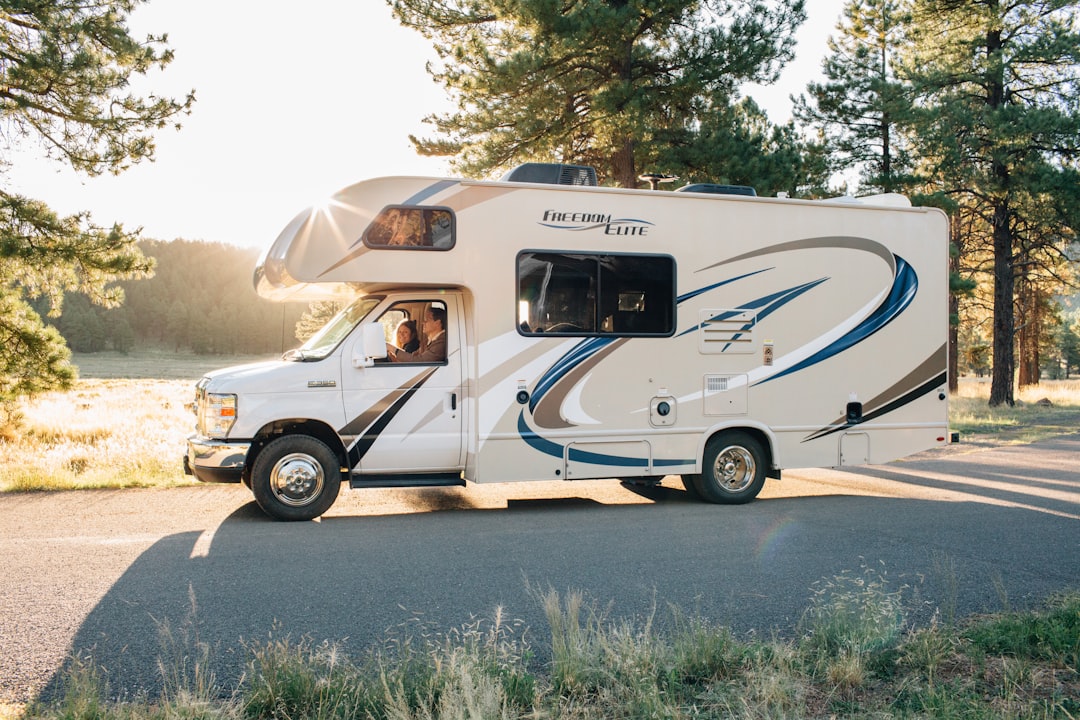
Every year, thousands of first-time RV renters hit the road with high hopes and a rental contract they didn’t fully understand. By the end of their trip, they’ve added hundreds of dollars in fees, made avoidable mistakes that damaged the rig, and spent their vacation stressed out instead of relaxed. The good news is that almost every costly first-time RV rental mistake is preventable — if you know what to watch for.
After analyzing hundreds of renter reviews and speaking with RV rental company managers, we’ve identified the 10 most expensive mistakes beginners make. Each one has real dollar figures attached and clear solutions to help you avoid them on your first trip.
Mistake 1: Returning the Rig Dirty (Cost: $150–$500)
This is the single most common fee first-timers face. Rental companies charge professional cleaning fees because they have to hire a detail crew to get the rig ready for the next renter. If you leave food caked on plates, trash under seats, or holding tanks unemptied, the bill gets much higher.
Real example: A family of four returned their Class C rental with leftover macaroni and cheese dried to the stovetop, a full black tank, and sandy footprints on the carpet. The cleaning fee was $385 — nearly a third of their base rental cost.
Fix: Budget 30 minutes at the end of your trip for a thorough cleanup. Wipe down surfaces, empty all holding tanks, rinse the sewer hose, remove all trash, and sweep the floor. Most rental companies have a return checklist — follow it carefully.
Mistake 2: Exceeding Your Mileage Allowance (Cost: $75–$300)
Most rentals include 100–150 miles per day. Anything over triggers an overage charge of $0.25–$0.75 per mile. Beginners often underestimate how much they’ll drive, especially on multi-stop trips.
Real example: A couple rented a Class C for a 7-day trip through Yellowstone and Grand Teton national parks. They covered 1,200 miles — 400 over their 700-mile allowance. The overage fee was $140 at $0.35 per mile.
Fix: Plan your route carefully before booking. If you’re covering long distances, look for unlimited mileage packages — they’re often cheaper than paying overage fees. Use a trip planner app to estimate your total mileage and add a 10% buffer.
Mistake 3: Skipping the Walkthrough (Cost: Time + Potential Damage)
When you pick up the RV, the rental company offers a walkthrough to show you how everything works. Many first-timers are impatient and rush through it, then spend their trip struggling with systems they don’t understand or accidentally breaking something.
Real example: A group skipped the walkthrough and didn’t know how to retract the awning. They drove off with it extended, tearing it on a low bridge. The awning repair cost $1,200, and their insurance didn’t fully cover it because the damage was deemed preventable.
Fix: Take the full walkthrough, even if you’re excited to hit the road. Record a video of the entire demonstration. Ask questions about anything you’re unsure of — the staff would rather show you twice than deal with a damaged rig.
Mistake 4: Not Reading the Rental Contract (Cost: Surprise Fees)
RV rental contracts are dense with fine print that hides the most expensive clauses. Mileage caps, generator limits, cleaning fees, propane requirements, and cancellation penalties are all buried in the legal language.
Real example: A renter signed a contract without noticing the propane return requirement. They used half a tank and returned it half-empty. The rental company charged a $45 “propane refill service fee” plus the cost to top off the tank — $85 total.
Fix: Read every line before signing. Highlight or circle clauses you don’t understand and ask the agent to explain them verbally. Request a complete cost breakdown in writing. Your First RV Trip Readiness Quiz can help you identify what questions to ask.
Mistake 5: Mismanaging Holding Tanks (Cost: $150–$300 for Professional Cleaning)
Black tank clogs from leaving the valve open are the most common mechanical issue renters cause. When liquid drains out of the black tank, solid waste hardens into a pyramid that blocks the valve. Fixing it requires a professional mobile service.
Real example: A couple left their black tank valve open at a full-hookup campground for two days. When they tried to dump, the tank wouldn’t drain at all. A mobile RV detailer charged $225 to break up the clog with a high-pressure wand.
Fix: Always keep the black tank valve closed, even when hooked up to sewer. Open it only when dumping. Add water to the tank after each dump. Check our RV waste tank basics guide for the full rules.
Mistake 6: Underestimating Fuel Costs (Cost: $50–$150 Over Budget)
RVs get terrible gas mileage — 6–12 mpg for Class C motorhomes. Beginners budget based on their car’s fuel economy and end up short on cash or forced to cut their trip short.
Real example: A renter budgeted $100 for fuel, thinking their Class C would get 20 mpg (based on their truck’s mileage). They actually got 9 mpg and needed $220 for fuel. They had to dip into their campground budget and skip two planned stops.
Fix: Research your specific RV’s fuel economy before booking. Use the RV Trip Budget Calculator to estimate fuel costs for your planned route. Always add a 20% buffer.
Mistake 7: Not Understanding Insurance Coverage (Cost: $500–$1,500 Deductible)
Many first-timers decline supplemental insurance to save money, thinking their personal auto policy or credit card will cover them. It almost never does. If you have an accident, you’ll pay the full cost out of pocket.
Real example: A renter declined the $20/day supplemental insurance. On day three, they backed into a tree at a campground, causing $3,500 in damage to the RV’s rear bumper. Their personal auto insurance didn’t cover a rented RV, so they paid the full amount.
Fix: Purchase the supplemental insurance. It’s $15–$30 per day and covers collision, liability, and roadside assistance. Your credit card’s rental coverage almost never applies to motorhomes or trailers over a certain weight.
Mistake 8: Booking the Wrong Size RV (Cost: Uncomfortable Trip + Extra Fees)
First-timers often book the biggest RV they can afford, thinking bigger is better. Then they discover the 35-foot Class A won’t fit in the state park campsites they booked, or they can’t navigate mountain roads comfortably.
Real example: A family of three booked a 32-foot Class A because it had more sleeping space. When they arrived at Great Smoky Mountains National Park, their reserved campsite had a 30-foot length limit. They had to cancel their campsite, stay at an expensive private RV park 20 minutes away, and pay a $75 cancellation fee.
Fix: Book the smallest RV that comfortably fits your group. A Class C or travel trailer is the sweet spot for most beginners — maneuverable enough for national parks, big enough to be comfortable. Check campsite length limits before booking your RV.
Mistake 9: Not Budgeting for Campgrounds (Cost: $100–$300 Over Budget)
Many first-time renters budget for the rental and fuel but forget campground fees. Then they discover that national park sites cost $35–$50 per night and full-hookup private sites cost $50–$100 per night.
Real example: A couple budgeted $200 for campgrounds but didn’t realize their route through Colorado had very few free dry-camping spots. They ended up paying $420 in campground fees over 7 days — more than double their budget.
Fix: Book campgrounds at the same time you book your RV. Research campsite costs for your route and add them to your budget. Look for state parks and forest service campgrounds, which are typically cheaper than private RV parks. Use our cheap RV campsites guide to find affordable options.
Mistake 10: Returning Late (Cost: $25–$200 in Late Fees)
RV rental companies have strict return times because they need to clean and inspect the rig before the next renter. If you’re late, you trigger hourly fees — and if you’re very late, you could lose a full day’s rental rate.
Real example: A renter was 45 minutes late returning their Class C because of a traffic jam. The rental company charged a $50 hourly late fee. Another renter was 3 hours late and was charged an extra full day’s rate ($220).
Fix: Build a 2-hour buffer into your last day for cleanup, dumping tanks, and unexpected delays. Leave your last campground early to avoid traffic. Know the rental company’s exact return time and plan your route accordingly.
The Cost of Getting It Wrong: A Real Worst-Case Scenario
Let’s look at what happens when multiple mistakes combine:
The Trip: A couple books a Class C for a 7-day trip to Yellowstone. They skip the walkthrough, decline insurance, underestimate fuel, and return late and dirty.
| Mistake | Extra Cost |
|---|---|
| Mileage overage (200 miles) | $70 |
| No insurance + minor accident damage | $850 |
| Fuel over budget | $65 |
| Late return (2 hours) | $50 |
| Cleaning fee (rig left dirty) | $275 |
| Total Extra Fees | $1,310 |
Their “budget” $2,000 trip ended up costing $3,310 — a 65% overrun. This is why understanding these mistakes before you book is so critical.
Pre-Trip Checklist to Avoid These Mistakes
Run through this checklist before you pick up your rental:
- Booked the right size RV for your campsite length limits
- Read the full rental contract and asked about all fees
- Purchased supplemental insurance
- Planned your route and estimated mileage (with buffer)
- Budgeted for fuel at the RV’s actual mpg
- Booked campgrounds and know their nightly rates
- Scheduled pickup for morning hours to do the full walkthrough
- Left 2 hours buffer on return day
- Reviewed the black tank valve rules
- Know the return checklist (what needs to be cleaned/emptied)
FAQ
Q: Are cleaning fees negotiable?
A: Sometimes, especially if you’re a repeat customer or booking a longer rental. It never hurts to ask. But don’t plan on it — budget for the fee and aim to avoid it entirely by cleaning the rig yourself.
Q: What if I accidentally damage something during the walkthrough?
A: Document every pre-existing scratch, dent, and stain during the walkthrough. Take photos or videos before you leave the lot. This prevents you from being charged for damage that was already there.
Q: How strict are rental companies about return times?
A: Very strict. Most have a 30-minute grace period, then start charging hourly fees. If you think you’ll be late, call the company as early as possible — sometimes they can accommodate a late return if you give advance notice.
Q: Can I camp for free to save money?
A: Yes! Dispersed camping (boondocking) is free on national forest and BLM lands in most of the US and Canada. You need to be self-contained (have water, power, and waste holding tanks). Check our boondocking guide for the rules and best practices.
Q: What’s the most important thing to check during the walkthrough?
A: The holding tanks. Make sure you know how to open and close the valves, operate the water pump, and use the toilet correctly. Tank-related mistakes are the most expensive to fix.
Q: Do rental companies charge for propane?
A: Most include a full propane tank and require you to return it full. If you don’t, they charge a refill fee plus the cost of the propane. Budget for a $20–$40 refill at the end of your trip.
Final Thoughts
The 10 mistakes listed above account for the majority of complaints in RV rental reviews. Almost all of them are preventable with a little advance planning and attention to detail. Read your contract, take the walkthrough, budget realistically, and return the rig clean and on time. That alone will save you hundreds of dollars and make your trip significantly more enjoyable.
Before you book, take our First RV Trip Readiness Quiz to assess your preparation level and identify any gaps in your planning. It’s a quick 5-minute quiz that covers the key areas where beginners typically make mistakes.
Disclaimer: This guide offers general beginner educational information only. Prices and fees are estimates based on 2026 market data and may vary by rental provider and specific circumstances. Always verify current pricing and contract terms before booking.