Can You Boondock in a Rented RV? Rules, Limits and Pro Tips
Updated for 2026. Try boondocking in a rented RV with beginner-friendly tips, legal considerations, and safety guidelines.
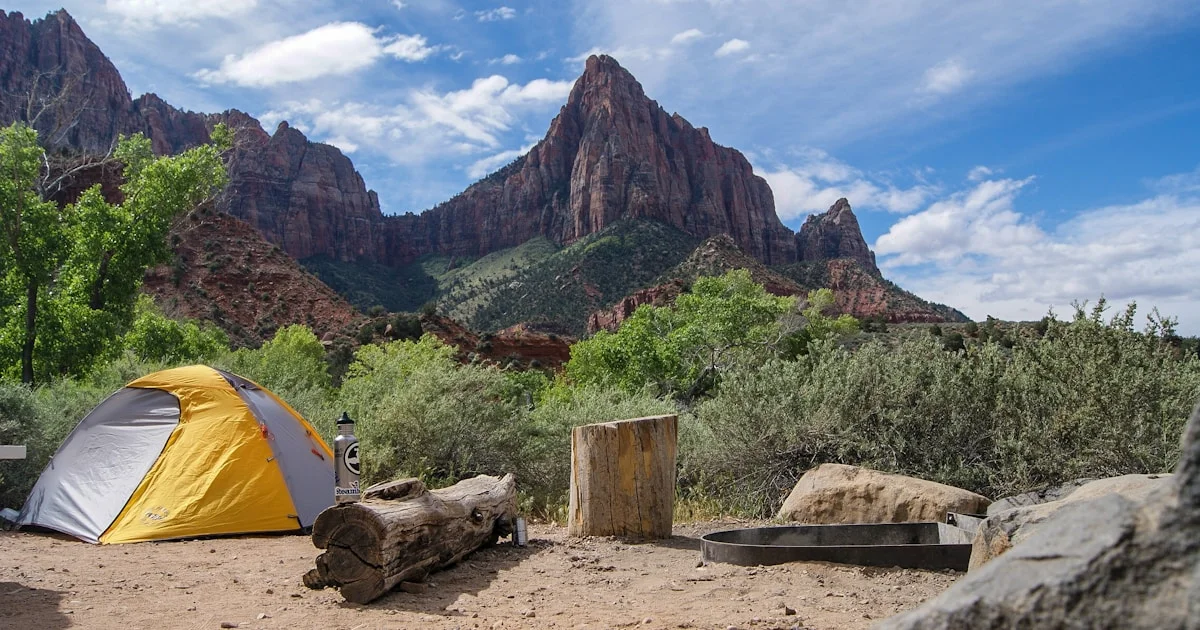
Photo by Hugo Sousa on Unsplash
Boondocking means camping without hookups on undeveloped land. No electric pedestal, no water spigot, no sewer connection. You rely entirely on what your RV carries in its fresh water tank, house batteries, and propane supply. For renters, the appeal is obvious: free or nearly free nights, quiet scenery, and no check-out time. The catch is that you are your own utility company, and the rig you picked up was outfitted by someone else.
This guide covers what boondocking actually requires in a rental, where it is legal in the U.S., and the limits that send most first-timers back to a hookup within a night or two.
Photo by Hugo Sousa on Unsplash
Start With the Rental Agreement
Before you look at a single map, read the off-grid section of your rental contract. Peer-to-peer hosts on RVshare or Outdoorsy set their own rules, and nationwide fleets like Cruise America and El Monte have theirs printed in the standard agreement. Common restrictions:
- No dispersed camping on dirt roads. Paved or graded access only, to avoid getting stuck or scraping the underbelly.
- Generator limits. A daily hour cap (often 4–6 hours) and quiet hours, usually 8 p.m. to 8 a.m.
- Return conditions. Some contracts require tanks emptied and the fresh water tank refilled, or they charge a dumping fee.
- Insurance. Off-grid damage or a breakdown far from help may not be covered the same way as a campground stay.
If the agreement is silent, ask the owner in writing before you book. A one-line confirmation in the messaging thread protects your deposit.
Boondocking vs Dry Camping
The terms get used interchangeably, but the distinction matters for where you can legally park:
- Dry camping is any site without hookups. That includes a Walmart lot, a Cracker Barrel parking space, or a no-hookup loop in a paid campground.
- Boondocking specifically means dispersed camping on undeveloped public land, usually free.
All boondocking is dry camping, but not all dry camping is boondocking. Overnight parking at a store is not boondocking, and it is governed by the store’s policy, not public-land rules.
If you want the full picture on utility types, our guide to full, partial, and dry hookups breaks down each option.
Where Boondocking Is Legal in the U.S.
Two federal agencies manage almost all free dispersed camping:
- Bureau of Land Management (BLM). Mostly in the West — Nevada, Arizona, Utah, Colorado, California, New Mexico. Most BLM dispersed areas allow 14 days in any 28-day period at a single spot.
- U.S. Forest Service (USFS). National forests often permit dispersed camping up to 14 days in a 30-day period, then you must move at least 5–10 miles away.
State and local rules vary. Some states (like Oregon and Washington) allow overnight rest stops; others prohibit it. Always check the specific ranger district, because seasonal closures for fire danger or wildlife are common.
Tools that map legal spots: Campendium, iOverlander, FreeRoam, and the BLM and USFS websites. Cross-reference two sources — access roads wash out, gates close, and reviews go stale.
The Three Resources You Manage
| Resource | Source | Usually runs out first |
|---|---|---|
| Fresh water | Onboard tank + jugs | Day 1–2 for a family |
| Battery power | House batteries, solar, generator | Day 2–3 |
| Waste capacity | Black/gray tanks | When tanks fill |
Fresh water is almost always the limiting factor. A 40-gallon tank sounds large until four people shower, cook, and brush teeth. Cut consumption by using a dishpan instead of running water, taking “navy” showers (wet, lather, rinse), and carrying a few 5- or 7-gallon jugs for top-ups at a visitor center or town spigot.
Battery drain depends on what you run. The furnace fan, water pump, and lights draw 12-volt power even when everything else is off. A roof air conditioner needs a generator or shore power — it will kill a battery bank in minutes. LED bulbs and a small solar panel (many rentals have one) stretch battery life noticeably.
Generator Reality for Renters
If your rental includes a generator, confirm three things at pickup: how to start it, who pays for the fuel (usually you, filled on return), and the hour limit. Generators are the only practical way to run the air conditioner off-grid, which matters in Desert Southwest summer. They are also loud, which is why quiet hours exist even in the middle of nowhere.
If there is no generator, plan around battery and propane. Propane runs the fridge, furnace, and cooktop; the house battery runs lights, water pump, and 12-volt outlets. Laptops and phones need a 12-volt or inverter charger.
Leave No Trace
Dispersed camping has no host to clean up after you. Pack out all trash, never dump gray or black water on the ground (find a dump station), and don’t run generators near other campers after dark. The easiest way to lose boondocking access is for a few people to trash a popular spot, after which the agency closes it to everyone.
A Safe Way to Start
Your first boondock should be a single night, within an hour of a town or full-hookup campground. Pick a spot with a cell signal. Tell someone your location and expected return time. Arrive before dark so you can level the rig and find a turnaround. Most renters who try this once come back hooked — and the ones who skip straight to a week in the desert usually run out of water by night two.
Our Boondocking Water & Battery Calculator estimates how long your tank and battery will last based on your group size and the rig you rented.
Quick answers