How to Prepare RV Food for Family Trips With Kids (Beginner Friendly)
Updated for 2026. Learn how to prepare RV food for family trips with kids. Kid-friendly recipes, storage hacks, and quick meal solutions for busy parents.
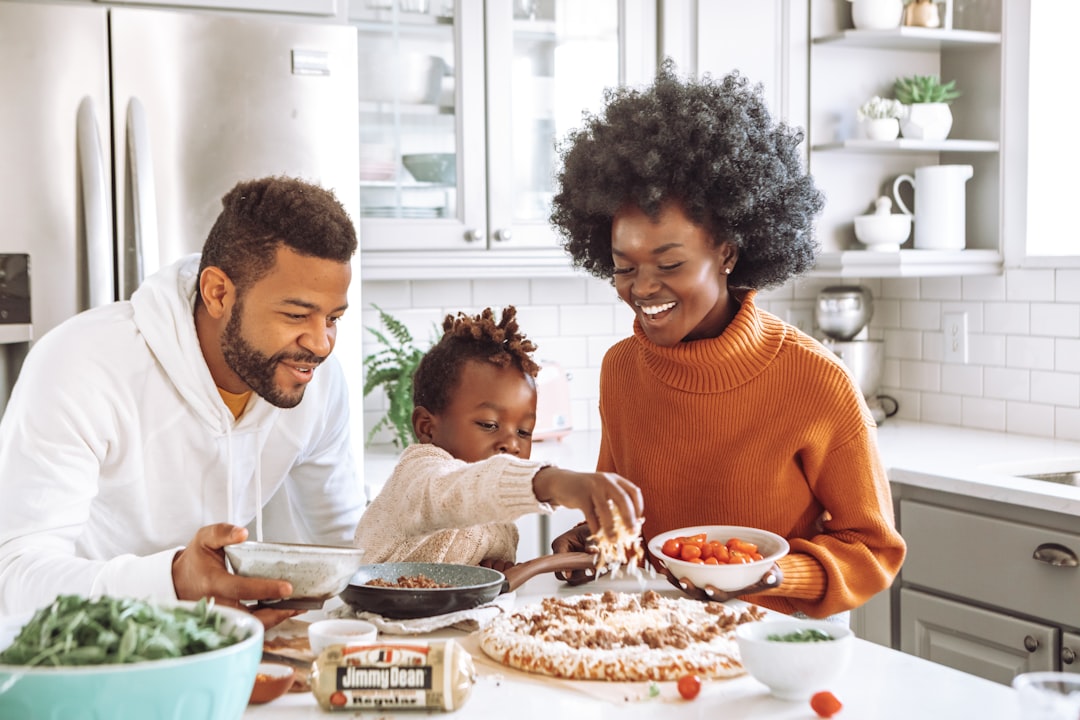
Cooking in an RV kitchen with kids underfoot feels like a reality show challenge. You’ve got a two-burner stove, a fridge smaller than a dorm mini-fridge, and three hungry children who want mac and cheese—right now. The good news? It gets easier when you stop trying to cook like you’re at home and start thinking like a camper.
We once had a family of five rent a 28-foot Class C for a week in Yellowstone. On day one, they tried making lasagna—roasting vegetables on the tiny stove, waiting 45 minutes for pasta water to boil, and ending up with a smoke alarm going off because one burner overheated. By day three, they were doing foil-packet tacos and one-pan breakfast scrambles. The kids devoured them, and cleanup dropped from 45 minutes to 10.
Photo by Joshua Woroniecki on Unsplash
The key to successful RV meal prep for families is planning before you leave, packing smart, and embracing simple cooking methods. Let’s walk through exactly how to do that.
Before You Go: Meal Planning Basics for RV Trips
The biggest mistake new RV families make is shopping the night before departure. You end up overpacking perishables, forgetting essentials, and wasting fuel hauling food you never eat. Instead, spend 30 minutes planning your meals before you buy groceries.
Plan in Blocks, Not Days
Rather than deciding what to eat every single day, plan three to four meal themes that repeat:
- Breakfast rotation: Oatmeal bar, egg scramble, yogurt parfait, cereal station
- Lunch rotation: Sandwich bar, wrap station, cheese and crackers, fruit bowls
- Dinner rotation: One-pot pasta, foil-packet tacos, grilled chicken, chili night
This means you only shop for four breakfast options, four lunch options, and four dinner options for a week-long trip. Less variety at the grocery store, less decision fatigue on the road, and kids love the familiar patterns.
Make-ahead Cooking Saves Hours
Here’s a game-changer: chop vegetables, cook rice, brown ground beef, and portion snacks before you leave home. Store pre-cooked items in labeled containers and raw ingredients in the fridge. This cuts dinner prep time from 45 minutes to 15.
A family we talked to pre-cooked all their pasta, rice, and vegetables at home before a 10-day RV trip. Dinner every night was simply reheating and tossing together. They saved about 25 hours of cooking time over the trip.
Kid-Friendly RV Recipes That Work
Forget elaborate dishes with five ingredients and separate cook times. The best RV meals for families are one-pot, require minimal prep, and use items you can grab while driving.
Breakfast Ideas (10 Minutes or Less)
- Overnight oats: Prep the night before with milk, fruit, and cinnamon. Grab and go.
- Breakfast burritos: Scramble eggs, add cheese and salsa, wrap in tortillas. Make ahead and reheat on the griddle.
- Fruit smoothie bowls: Pre-cut frozen fruit, Greek yogurt, and granola. Blend and top.
- Pancake muffins: Make mini muffins at home, store in a container, toast on the griddle.
Lunch Ideas (No-Cook Preferred)
- Deli wrap bar: Pre-rolled wraps with turkey, cheese, and hummus. Kids customize their own.
- Ants on a log: Celery sticks with peanut butter and raisins. Classic, no mess.
- Fruit and cheese plates: Apple slices, grapes, string cheese, and crackers.
- Veggie pita pockets: Pre-cut veggies, hummus, and pita bread. No heating needed.
Dinner Ideas (One-Pot or Foil-Packet)
- One-pot mac and cheese: Boil pasta in water, drain (save a little), add cheese sauce packet and milk. Done in 12 minutes.
- Foil-packet tacos: Pre-cooked chicken, salsa, cheese, and tortillas wrapped in foil. Reheat on the grill or campfire.
- Sheet-pan dinner: Pre-cut chicken breasts and vegetables, toss with olive oil and seasoning, bake at 375°F for 25 minutes.
- Chili night: Canned beans, ground turkey (pre-browned), tomatoes, and chili powder. Simmer 15 minutes on the stove.
Photo by Joshua Woroniecki on Unsplash
Storage Hacks for Small RV Fridges
RV fridges are notoriously small—usually 4 to 8 cubic feet—and they cool slower than home fridges. You can’t just pack them like a cooler.
Prep Your Fridge Before Loading
- Pre-cool the RV fridge for 24 hours before loading
- Organize by zone: top shelf for ready-to-eat, middle for raw proteins, bottom for drinks
- Use stackable containers instead of bags to maximize space
- Keep a small thermometer in the fridge to monitor temperature (aim for 34-38°F)
What Goes In the Fridge vs. What Doesn’t
Items that need refrigeration:
- Milk, yogurt, cheese
- Raw meat and seafood (use a frozen water bottle as an ice block)
- Eggs (keep in the original carton on the middle shelf)
- Cut fruit and vegetables
Items that don’t need refrigeration (saves tons of space):
- Bread, tortillas
- Unopened condiments
- Cereal, crackers, granola bars
- Whole fruit (apples, oranges, bananas)
- Peanut butter, honey, jam
Waste Reduction Tips
Kids are notorious for wasting food. Reduce waste by:
- Buying single-serve items (granola bars, applesauce cups) for younger kids
- Pre-portioning snacks into daily containers
- Using leftover proteins in wraps or salads the next day
- Keeping a “smorgasbord” night where everyone eats leftovers
Quick Meal Solutions for Busy Driving Days
When you’ve been driving for six hours and arrive at the campground tired, the last thing you want is to cook. These no-fuss solutions save the day:
Ready-to-Heat Meals
- Pre-made lasagna, enchiladas, or meatloaf from the freezer (heat at 350°F for 30 minutes)
- Canned soup or chili (heat on the stove or in the microwave)
- Rotisserie chicken from a grocery store (tear and add to salads or wraps)
Picnic-Style Dinners
- Paper plate night: Pre-cooked chicken, rolls, fruit salad, and chips
- Grilled cheese night: Bread, cheese, and a tomato soup can
- Taco night: Pre-cooked beef, hard shells, salsa, and cheese
Plan for One “Cheat Night”
Every RV trip needs at least one night where you eat out or get takeout. Most campgrounds are near small towns with family-friendly restaurants. Use a food delivery app or check the campground’s bulletin board for local favorites.
Keeping Kids Involved in RV Meal Prep
Here’s a secret: kids who help prepare meals are more likely to eat them. Assign age-appropriate tasks:
- Ages 3-5: Set the table, wash fruit, put napkins out
- Ages 6-9: Stir pots, wrap tortillas, measure ingredients
- Ages 10-13: Chop soft vegetables, operate the microwave, help with the grill
- Ages 14+: Plan a meal, cook with supervision, clean up
A family we know lets each child pick one dinner per trip and helps them cook it. The 8-year-old always chooses “spaghetti night” and helps her dad roll meatballs. The 12-year-old makes tacos every time. It gives them ownership and keeps the adults from getting burnt out.
Common Meal Prep Mistakes to Avoid
Overpacking Perishables
A family of four on a seven-day trip should only bring three to four days of fresh produce. Frozen vegetables last longer and are easier to store.
Trying to Cook Fancy Meals
That Pinterest recipe with 12 ingredients and three cooking methods will not work in an RV. Stick to 5-ingredient meals with one cooking method.
Forgetting to Check Appliances
Before you leave, confirm the rental has:
- A working stove (test each burner)
- A functioning fridge (pre-cool it)
- An oven if you need one (some Class C rentals don’t have ovens)
- A microwave (most do, but check)
Not Having a Backup Plan
Power outages happen. Propane runs out. Campgrounds don’t have reliable hookups. Always have:
- A cooler with ice for emergency food storage
- Non-perishable snacks (canned fruit, crackers, protein bars)
- A portable grill or camp stove as a backup cooking method
Essential RV Kitchen Gear for Families
You don’t need to bring your entire kitchen. A well-stocked RV kitchen for a family includes:
| Item | Why You Need It |
|---|---|
| Cast iron skillet | Works on stove and campfire, lasts forever |
| Plastic cutting boards | Lighter and safer than wood for kids |
| Stackable food containers | Maximizes fridge and cabinet space |
| Dish towels and sponges | RVs get messy fast |
| Can opener | Not all rentals include one |
| Kids’ utensils and cups | Smaller sizes, easier to hold |
For a complete list, check out the RV packing checklist and RV kitchen essentials guide.
Sample 7-Day RV Meal Plan for a Family of Four
Here’s a simple plan to get you started:
| Day | Breakfast | Lunch | Dinner |
|---|---|---|---|
| 1 | Pancakes and fruit | Deli wraps and chips | One-pot mac and cheese |
| 2 | Overnight oats | Fruit and cheese plates | Foil-packet tacos |
| 3 | Egg scramble with toast | Peanut butter wraps | Sheet-pan chicken and veggies |
| 4 | Yogurt parfait | Veggie pita pockets | Chili night |
| 5 | Cereal bar | Sandwich bar | Leftovers smorgasbord |
| 6 | Breakfast burritos | Grilled cheese and soup | Pre-made lasagna |
| 7 | Muffins and fruit | Travel snacks | Eat out in town |
Final Meal Prep Tips
- Prep at home, not the campground. The more you can do before you leave, the less time you spend cooking on vacation.
- Keep it simple. One-pot meals and no-cook lunches are your best friends.
- Let kids help. It makes them more invested in eating and gives you a break.
- Plan for waste. Kids spill, pick at food, and change their minds. Buy less than you think you need.
- Use the budget calculator. The RV trip budget calculator helps you estimate food costs based on family size and trip length.
Cooking in an RV with kids doesn’t have to be chaotic. Plan ahead, pack smart, and keep the recipes simple. The best RV meals are the ones where everyone eats together, helps clean up, and gets back to enjoying the trip. That’s what family travel is all about—not perfect dinners, but shared moments around a small table in a rolling kitchen.
Disclaimer: This guide offers general beginner educational information only. Complex RV mechanical maintenance, repairs and safety adjustments should be completed by certified RV professionals. Always follow your RV rental company and vehicle manufacturer instructions.