Class A RV Guide: Is It Right for First-Time Renters
Updated for 2026. Learn Class A RV basics with beginner-friendly guidance, pros, cons, and rental tips.
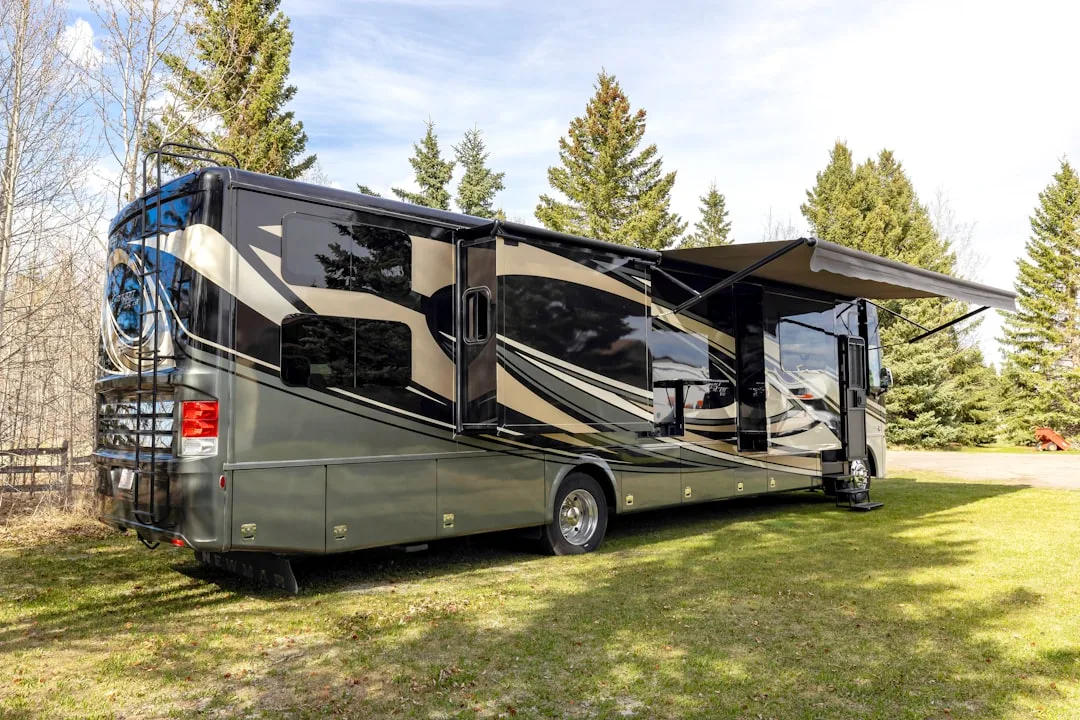
Photo by Randy Fath on Unsplash
A Class A motorhome is the bus-shaped coach you see pulled into big resort campgrounds and national-park lodges. It is the most spacious rental class you can book, but also the hardest to drive and the most expensive to fuel. This guide covers what a Class A actually is, what it costs to rent, who should (and shouldn’t) book one, and the driving realities first-timers need to understand before they sign.
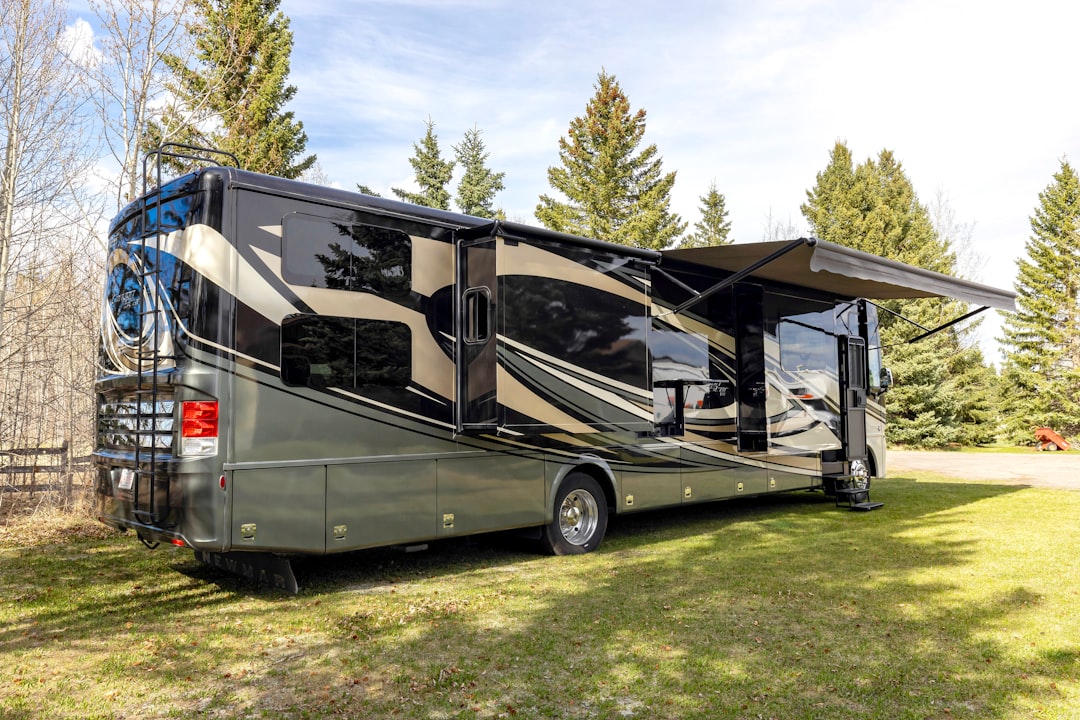
Photo by Randy Fath on Unsplash
What Is a Class A RV?
Class A motorhomes are built on a heavy-duty bus or truck chassis—most gas models use the Ford F-53, while diesel “pushers” sit on Freightliner, Spartan, or Powertech chassis. The living space is integrated into the body, so you walk straight back from the driver’s seat into the kitchen and bedrooms. Rentals run 26 to 45 feet and sleep four to eight people.
Typical specs:
- Length: 26-45 ft; width about 8.5 ft
- Weight (GVWR): 13,000 to 30,000+ lbs
- Height: 10-13.5 ft—the single biggest planning constraint
- Sleeping: 4-8, often with slide-outs that expand the interior at the campsite
- Fuel: gas (Ford V10) or diesel; expect 6-10 mpg

Photo by Josh Hild on Unsplash
Who a Class A Actually Fits
A good fit if you:
- Travel with a family of four to six and want separate bedrooms plus a residential kitchen
- Plan trips of two weeks or more, where interior comfort matters more than maneuverability
- Want everyone to ride together instead of splitting across a tow vehicle
A poor fit if you:
- Are renting for the first time and uneasy about driving something this large
- Travel solo or as a couple and would be heating and cooling empty space
- Expect to thread forest roads, park downtown, or stay on a tight budget
What It Really Costs
Rental rates for a standard gas Class A usually land between $200 and $350 per night; diesel pushers run higher. On top of the nightly rate, most rentals add a per-mile charge ($0.30-$0.50/mile is common), generator fees, and fuel at 6-10 mpg. A 1,000-mile, one-week trip can realistically pass $2,500 all-in before you pay for campgrounds.
Where beginners actually rent them: Cruise America and El Monte RV run the largest U.S. fleets and include house-trained orientations; RVshare and Outdoorsy list privately owned units, often newer and better equipped but with less support. For summer travel, book three to six months out—Class A inventory is the first to sell out.
Driving Realities
- Height: At 10-13.5 ft, you are excluded from low bridges, bank drive-throughs, and some state-park tunnels. Use an RV-specific GPS (RV Life, CoPilot) and verify any questionable clearance before you commit to a route.
- Braking distance: These stop far slower than a car. Start slowing early and leave a long buffer.
- Backing in: Practice in an empty lot at pickup. For your first trip, book pull-through sites so you never have to back into a tight spot.
- License: A standard driver’s license covers any RV under 26,000 lbs GVWR in every state. A few states require a non-commercial Class B (or higher) above that threshold—your rental company will tell you if it applies.
Common First-Trip Mistakes
- Booking a back-in site before you have backed up anything this size—choose pull-through.
- Skipping the orientation. Thirty minutes at pickup saves hours of confusion later.
- Forgetting to check route height and getting rerouted mid-trip.
- Overloading. Read the weight sticker and keep heavy cargo low and centered.
Beginner Checklist: Class A Rental
Before renting:
- Confirm your license covers the unit’s GVWR (under 26,000 lbs is fine in all states)
- Practice driving a large vehicle if you can
- Learn the basics: fresh/gray/black water, 30/50-amp hookups, propane
- Set a realistic budget including mileage, generator, and fuel
- Book 3-6 months ahead for summer
At pickup:
- Attend the full orientation and take notes
- Inspect for water stains, tire condition, and appliance function
- Test slide-outs, awning, and leveling jacks
- Practice backing in the lot
- Save the roadside and after-hours contact numbers
On the road:
- Drive 60-65 mph and brake early
- Plan RV-friendly routes and check clearances
- Check tire pressure daily
- Use full-hookup or pull-through sites when possible
FAQ
Q: Do I need a special license? A: No, for any rental under 26,000 lbs GVWR a regular license works in every state. A few states require a non-commercial Class B above that—your rental company will flag it.
Q: How much does it cost to rent one? A: About $200-$350 per night for a gas unit, before mileage, generator, and fuel. Summer and holidays run higher.
Q: What gas mileage do they get? A: Roughly 6-10 mpg. That is the lowest of any rental class, which is why fuel dominates the budget on long trips.
Q: Will a Class A fit every campground? A: No. Many older state and county parks cap length at 30-35 ft, and some sites are back-in only. Filter for length and pull-through when you book.
Q: Is a Class A good for boondocking? A: It can be, but it draws more power and water than a smaller rig, so you need a generator and large tanks—and a plan for dumping and refilling.
A Class A rewards travelers who want the most space and the fewest setup compromises. For a first rental, the size and cost are real downsides—most beginners are happier in a Class C or camper van while they learn. If you already drive large vehicles and value comfort over maneuverability, a Class A is hard to beat.
Before you load, check payload against the unit’s GVWR with our RV Weight & Payload Calculator so you stay within limits.