Top Mistakes First-Time RV Renters Always Make
Learn the most common mistakes first-time RV renters make and how to avoid them, from overpacking to skipping the walkthrough.
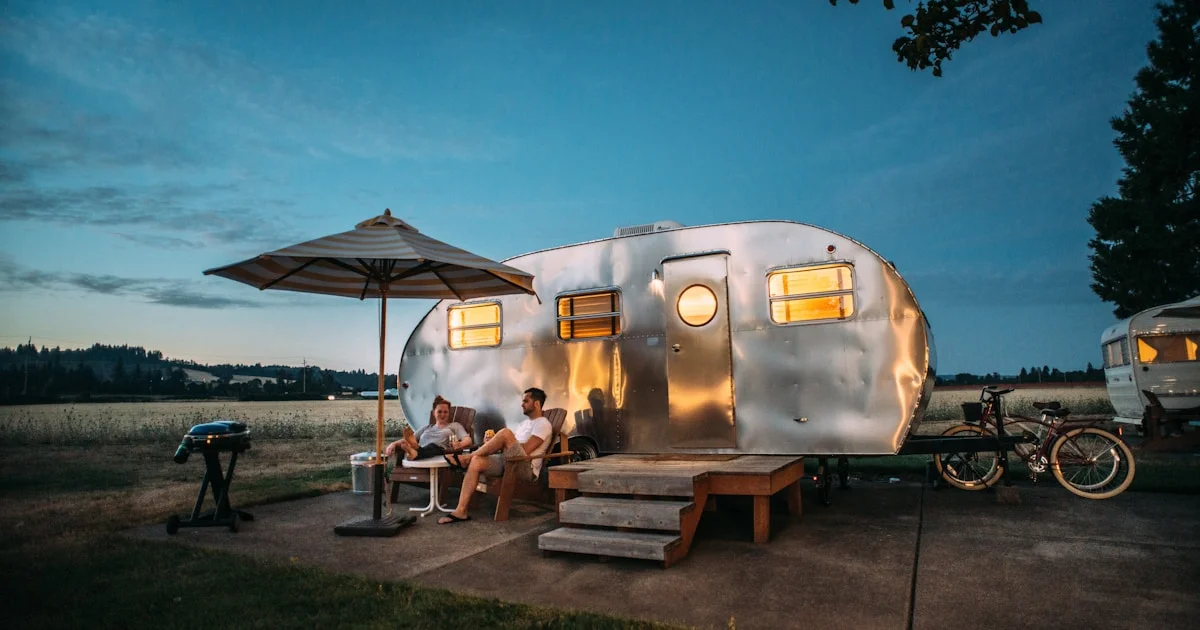
Photo by Roberto Nickson on Unsplash
Every experienced RVer was once a beginner, and almost every beginner has a story about something that went wrong. The good news is that most first-time mistakes are easy to avoid once you know what to watch for. This guide covers the mistakes we see most often and gives you simple ways to prevent them.

Photo by Roberto Nickson on Unsplash
Skipping the Pickup Walkthrough
The pickup appointment is not just paperwork. It is your chance to learn how the RV works and document its condition. Rushing through it is the fastest way to miss a pre-existing dent or fail to learn how to dump the tanks.
Take photos and video of every scratch, stain, and cracked fixture. Test the lights, water pump, stove, refrigerator, air conditioner, and toilet. Ask the owner to demonstrate the awning, slide-outs, and leveling system. If something feels unclear, ask again.
A thorough walkthrough usually takes 45 minutes to an hour. Plan your schedule accordingly. Arriving late or in a hurry increases the chance that you will forget to ask an important question or miss a detail that costs you money later.
Overpacking
RVs have cabinets, closets, and exterior storage, but they also have weight limits. Overpacking makes the RV harder to drive, reduces fuel economy, and increases the risk of items shifting while you move.
Pack outfits for the trip length plus one extra day. Use soft-sided luggage that stores flat. Leave heavy tools and duplicate kitchen gadgets at home.
Choosing the Wrong RV Size
A common mistake is renting the largest RV the budget allows. Bigger rigs are harder to drive, harder to park, and often cannot fit into older campgrounds. For most first-time renters, a Class C motorhome between 24 and 30 feet is the sweet spot.
For help choosing, read our guide on what size RV a first-time renter should choose.
Forgetting to Plan the Route
Not every road is RV-friendly. Low bridges, narrow mountain passes, and tight gas stations can create serious problems. Plan your route with an RV-specific GPS or app that considers your RV height and length.

Photo by Erol Ahmed on Unsplash
Ignoring Tank Management
The black tank, gray tank, and fresh water tank need attention throughout your trip. Beginners often forget to monitor levels or leave the black tank valve open, which causes clogs.
Keep the black tank closed until it is at least two-thirds full, then dump it followed by the gray tank. Use RV-safe toilet paper and tank treatment chemicals.
Forgetting to Retract the Awning
Awnings make campsites more comfortable, but they are fragile in wind. Always retract the awning when you leave the campsite or when the wind picks up. A damaged awning is one of the most common and expensive renter mistakes.
Driving Too Fast or Too Long
RVs take longer to stop and turn than cars. Driving too fast reduces your reaction time and increases sway. Plan shorter driving days than you would in a car. A good rule for beginners is no more than 200 to 250 miles per day.
Not Securing Loose Items
Anything left on a counter, table, or shelf will move while you drive. Cabinet doors can pop open. Secure dishes, appliances, and personal items before you pull away.
Arriving at Camp After Dark
Setting up an RV for the first time is much easier in daylight. Try to arrive at your campsite by mid-afternoon. If you are running late, contact the campground and ask for guidance.
Misunderstanding RV Systems
Many beginners assume the RV works exactly like a house. It does not. The water pump makes noise. The toilet uses less water. The refrigerator may take longer to cool. The furnace runs on propane, not electricity.
Read the owner’s manual or ask for a system demonstration at pickup. Learn how to reset breakers, light the water heater, and switch between propane and electric modes. Knowing these basics prevents panic when something does not work the way you expect.
Ignoring Weather and Road Conditions
RVs are tall, heavy, and affected by wind. A windy day that feels fine in a car can be nerve-wracking in a motorhome. Check the weather forecast before you drive, and avoid travel during high winds, heavy rain, or snow.
Mountain roads and steep grades require slower speeds and lower gears. Use turnouts to let faster traffic pass. Never rush down a mountain pass.
Underestimating Setup and Breakdown Time
First-time renters often think setting up camp takes ten minutes. In reality, it can take 30 to 60 minutes the first few times. The same is true for breaking down camp in the morning. Give yourself extra time so you are not rushed.
Arrive with enough daylight to handle unexpected delays. In the morning, do a complete walk-around before driving away. Check that the awning is in, steps are up, compartments are closed, and nothing is left behind.
How to Recover from a Mistake
Even careful renters make mistakes. If you damage something, stop and assess the situation. Take photos, contact the rental company, and follow their instructions. Most issues are resolved calmly when you communicate quickly and honestly.
If you get stuck, overwhelmed, or lost, pull over safely and regroup. Call the campground host, rental owner, or roadside assistance. Asking for help is not a sign of failure. It is part of learning how to RV confidently.
Beginner Mistake-Avoidance Checklist
Use this checklist to stay out of trouble:
- Complete a full pickup walkthrough with photos
- Choose an RV size appropriate for your experience
- Plan an RV-safe route before leaving
- Pack light and secure loose items before driving
- Monitor tank levels daily
- Retract the awning before leaving or in wind
- Drive slowly and limit daily mileage
- Arrive at campsites during daylight
- Keep the rental company’s contact information handy
- Allow extra time for every part of the trip
Common Beginner Mistakes to Avoid
- Booking the cheapest RV without reading reviews
- Ignoring the rental agreement and fees
- Failing to check weather conditions
- Overestimating how far you can comfortably drive
- Assuming every campsite has full hookups
If you are planning your first rental, start with our complete beginner checklist for renting an RV. For a breakdown of fees that can surprise new renters, see our guide to common RV rental fees.
Misjudging Campground Arrival Times
First-time renters often plan ambitious driving days without realizing how tiring RV travel can be. Everything takes longer than expected: fuel stops, bathroom breaks, grocery runs, and campground check-in. By the time you reach your campsite, you may be exhausted and setting up in fading light.
Plan to arrive at your campground by mid-afternoon on your first few trips. This gives you time to settle in, troubleshoot any setup issues, and cook dinner before dark. As you gain experience, you can gradually extend your driving days.
Failing to Read the Rental Agreement
The rental agreement contains important rules about where you can drive, what you can tow, and who is responsible for damage. Skipping over these details is a common mistake that leads to disputes later.
Pay special attention to sections about mileage limits, generator use, cleaning expectations, and prohibited roads. If you plan to visit remote areas, confirm whether the RV is allowed on dirt or gravel roads. Some agreements restrict off-pavement travel.
Not Asking for Help
Pride can turn a small problem into a big one. If you cannot figure out how to light the water heater, extend a slide, or connect a sewer hose, ask for help. Campground hosts, rental owners, and fellow RVers are usually happy to assist.
Most experienced RVers remember their first trip and will not judge you for asking questions. A five-minute conversation can save you an hour of frustration and prevent accidental damage.
Forgetting to Check Propane and Battery Levels
Propane powers the stove, furnace, water heater, and refrigerator on many RVs. Beginners sometimes assume these systems run forever and are surprised when the fridge stops cooling or the shower runs cold.
Check propane levels at pickup and ask the owner how long a full tank typically lasts. Monitor your RV battery level if you are dry camping or boondocking. Running the battery too low can damage it and leave you without lights or water pump power.
Learning from Each Trip
After your trip, spend ten minutes reviewing what went well and what did not. Did you pack items you never used? Did you wish you had booked a different campsite? Did the RV size feel right? These reflections help you rent smarter next time.
Keep a simple trip journal with notes about mileage, fuel stops, campgrounds, and gear. Over time, you will build a personalized checklist that makes every future RV trip easier.
FAQ
Conclusion
Mistakes are part of learning, but many first-time RV errors are preventable. Slow down, ask questions, document everything, and give yourself extra time at every stage. A little caution on your first trip will turn you into a confident RVer much faster.
Disclaimer: This guide offers general beginner educational information only. Complex RV mechanical maintenance, repairs and safety adjustments should be completed by certified RV professionals. Always follow your RV rental company and vehicle manufacturer instructions.
Quick answers