Class B RV Guide: Compact Comfort for Adventurers
Updated for 2026. Learn Class B camper van basics with beginner-friendly guidance, pros, cons, and rental tips.
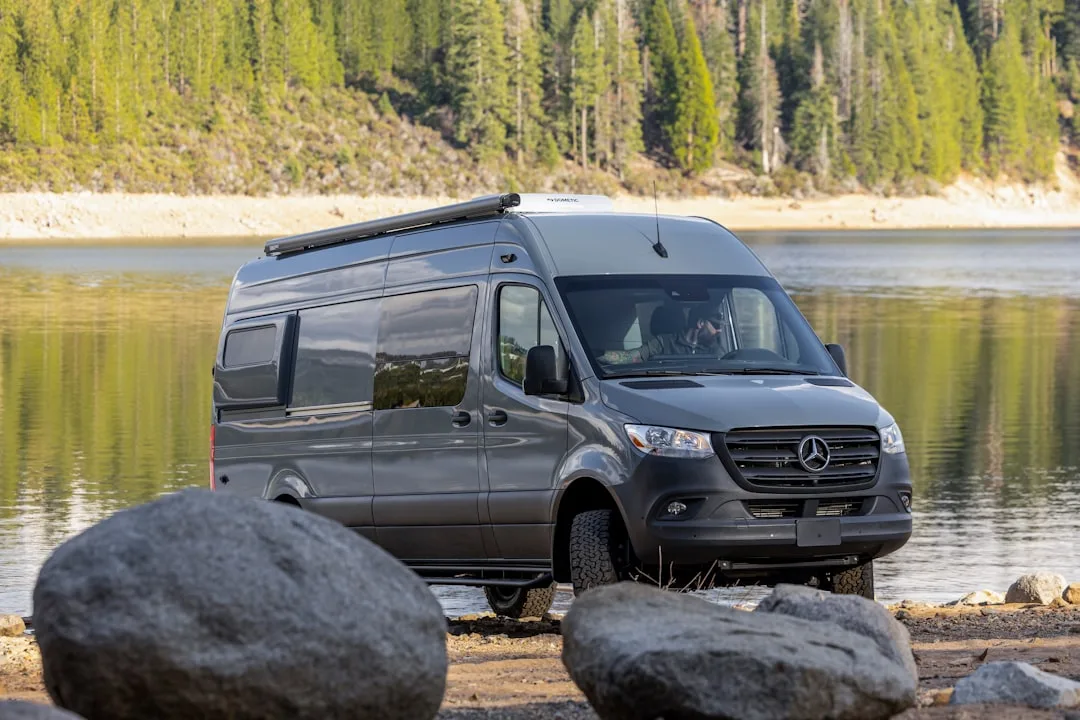
Photo by Chris Lawton on Unsplash
A Class B is a camper van: a Mercedes Sprinter, Ford Transit, or Ram ProMaster with a bed, a small kitchen, and usually a wet bath built in. It is the easiest RV to drive and the most fuel-efficient you can rent, but also the smallest inside. For a first-timer who wants to learn the ropes without fighting a 35-foot coach, it is usually the right place to start.
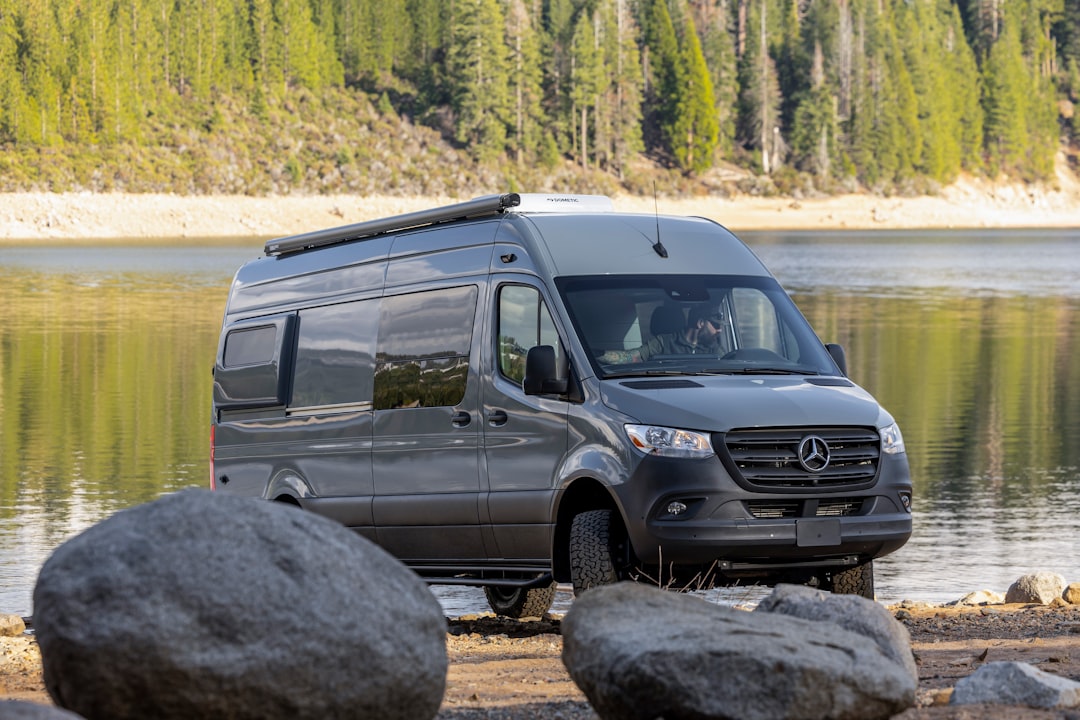
Photo by Chris Lawton on Unsplash
What Is a Class B RV?
Class B motorhomes are built on a standard van chassis, so the driving experience is close to a tall passenger van. The conversion adds a bed (often a rear setup or pop-top), a two-burner cooktop or induction plate, a small fridge, and a compact wet bath in many models. Rentals run 17 to 23 feet and sleep two to four.
Typical specs:
- Length: 17-23 ft—about the size of a large van
- Weight (GVWR): 6,000-9,000 lbs
- Height: 8-9.5 ft (a pop-top adds little when down)
- Sleeping: 2-4; pop-top adds a second berth
- Fuel: gas or diesel; 18-25 mpg
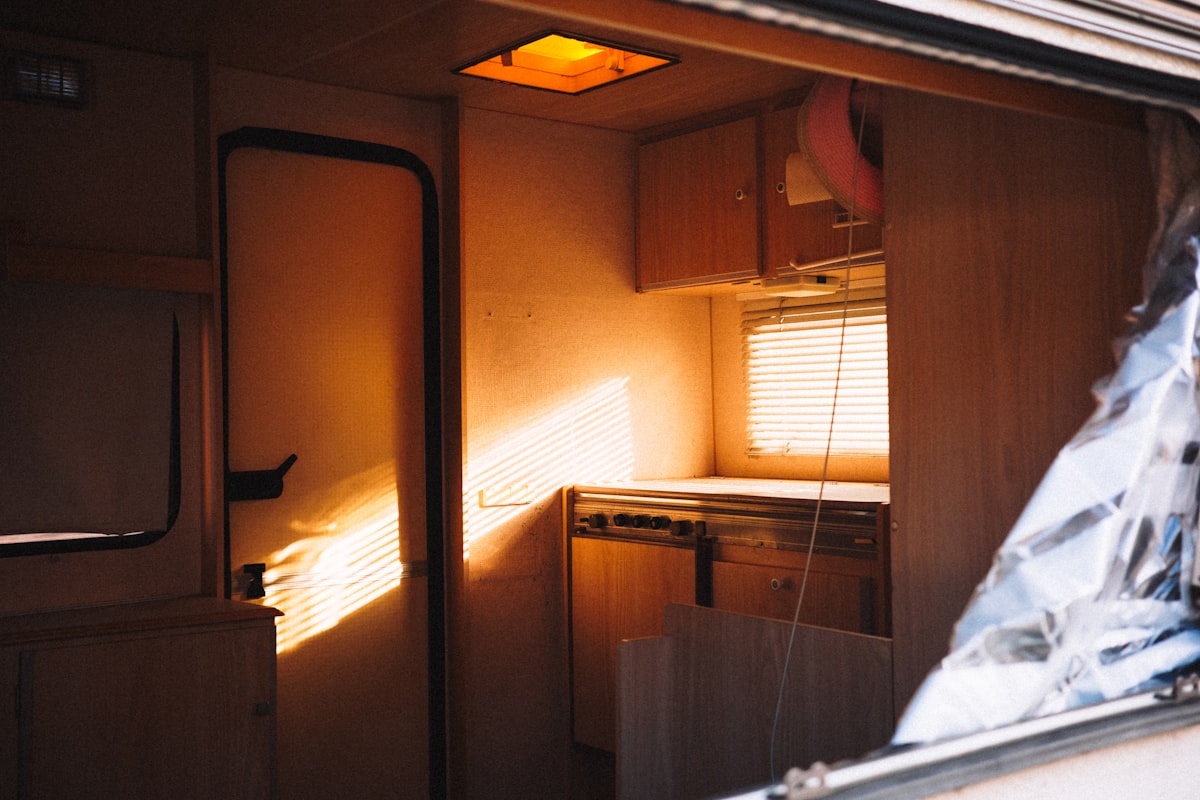
Photo by Daniel Korpai on Unsplash
Who a Class B Actually Fits
A good fit if you:
- Travel solo or as a couple
- Want weekend trips or longer trips where you move often
- Plan to boondock or explore towns where a big rig won’t fit
- Are renting for the first time and want the gentlest learning curve
A poor fit if you:
- Travel with kids who need separate space for more than a few days
- Want a full shower, big kitchen, or residential amenities
- Need to carry a lot of gear, bikes, or kayaks inside
What It Really Costs
Class B rentals typically run $100-$200 per night, the lowest nightly rate of any motorhome class. Because they also return 18-25 mpg, fuel is a fraction of a Class A trip. You’ll find them on RVshare and Outdoorsy (lots of privately owned Sprinters and Transits), and at some Cruise America locations. Book one to two months ahead for peak season.
Driving Realities
- Height: Taller than a car at 8-9.5 ft. Watch parking-garage and fuel-station canopies, and any low-clearance sign.
- Turns: Longer than a car, so take corners wider and swing out before the turn.
- Mirrors: Use the extended side mirrors and the backup camera; the van is taller than you expect in a mirror check.
- Parking: This is the payoff—most fit a normal parking spot, so you can leave the “RV” worries at the trailhead.
Common First-Trip Mistakes
- Overpacking. Space is tight; a soft duffel beats a hard case, and leave the “just in case” items at home.
- Expecting a real shower. Many Class B baths are a toilet plus a hand-spray wet bath. Plan campground showers for longer stays.
- Ignoring the height. A 9-ft van does not go under an 8-ft garage door.
- Skipping a quick practice park. Even easy vehicles reward 10 minutes in the lot.
Beginner Checklist: Class B Rental
Before renting:
- Confirm a standard license is fine (it is, under 26,000 lbs)
- Practice driving a tall van if you haven’t
- Learn the basics: water pump, electrical, propane, toilet
- Pack light—space is the constraint
- Book 1-2 months ahead
At pickup:
- Attend the full orientation and ask about the toilet and tank system
- Inspect for damage and test lights, brake, and appliances
- Practice parking and backing in the lot
- Get the after-hours contact number
On the road:
- Watch clearance signs
- Take corners wider than in a car
- Use the size to park in normal spots and explore towns
- Try a night of boondocking if you’re comfortable with power limits
FAQ
Q: Do I need a special license? A: No. Every Class B rental is under 26,000 lbs GVWR, so a standard license covers it in all states.
Q: How much does it cost to rent one? A: About $100-$200 per night, and fuel is cheap thanks to 18-25 mpg.
Q: What gas mileage do they get? A: 18-25 mpg depending on the van and load—far better than any larger motorhome.
Q: Will a Class B fit a normal parking spot? A: Almost always. It is roughly the size of a large van, so downtown and trailhead parking are realistic.
Q: Is a Class B good for boondocking? A: Yes. Small, efficient, and easy to place on dispersed sites—just watch your battery and water since tanks are small.
A Class B is about freedom: you can reach places a big motorhome can’t and still sleep in your own bed. If you want to explore without feeling tied to a campground, it is the most forgiving way to start RVing.
Check payload against the van’s GVWR with our RV Weight & Payload Calculator before you load gear.