Class C RV Guide: Best Choice for First-Time Renters
Updated for 2026. Learn Class C motorhome basics with beginner-friendly guidance, pros, cons, and rental tips.
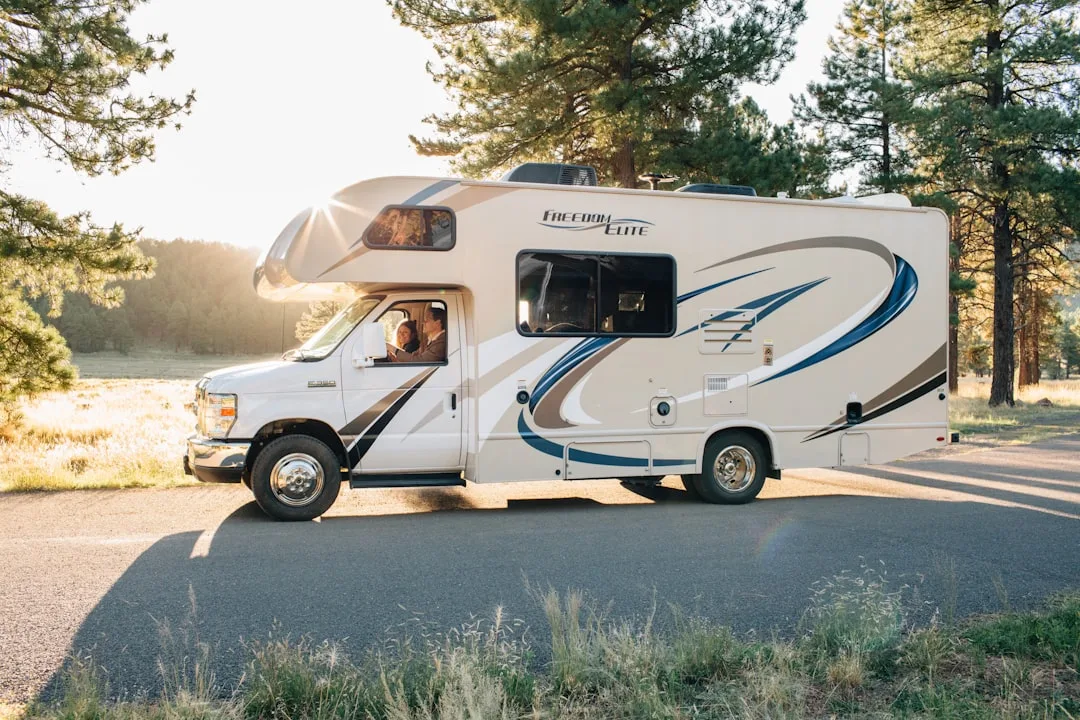
Photo by Steve Halama on Unsplash
A Class C is the classic family rental: a Ford E-450 or similar cutaway cab with a bed built into the space above the driver’s seat. It sleeps four to six, rents for less than a Class A, and drives closer to a large truck than a bus. For most first-time renters with a family, it is the sweet spot.
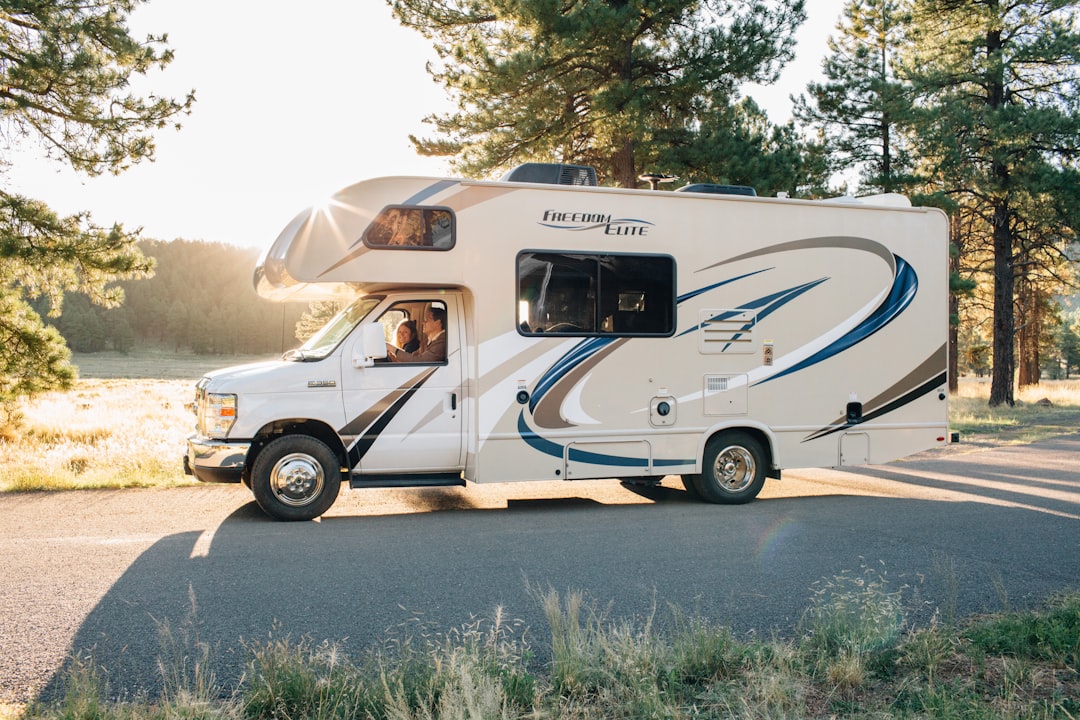
Photo by Steve Halama on Unsplash
What Is a Class C RV?
Class C motorhomes use a familiar truck cab (Ford, Mercedes, or Ram) with a molded fiberglass body behind it. The “cab-over” bunk above the driver is the signature feature—great for kids or a guest. Rentals run 20 to 32 feet and sleep four to six.
Typical specs:
- Length: 20-32 ft; width about 8.5 ft
- Weight (GVWR): 8,000-14,000 lbs
- Height: 10-11 ft
- Sleeping: 4-6, with the cab-over bunk plus a rear bed and often a dinette that converts
- Fuel: gas or diesel; 8-14 mpg

Photo by Benjamin Davies on Unsplash
Who a Class C Actually Fits
A good fit if you:
- Rent for the first time and want room to grow into
- Travel with a family of two to five
- Do weekend trips or longer trips where interior space helps
- Want comfort without Class A pricing
A poor fit if you:
- Travel solo and want something minimal
- Need maximum luxury or a residential kitchen
- Plan weeks of boondocking (water and power are tighter than a Class A)
What It Really Costs
Class C rentals usually run $150-$250 per night, cheaper than a Class A and more spacious than a camper van. Mileage fees ($0.30-$0.50/mile) and generator charges apply on most rentals. You’ll find the widest selection at Cruise America (fleet standard is the 25-30 ft Class C) and El Monte RV, with newer private units on RVshare and Outdoorsy. Book two to three months ahead for summer.
Driving Realities
- Feel: If you’ve driven a pickup or large SUV, you’ll adapt quickly. It is longer and taller, not foreign.
- Mirrors: The extended side mirrors are essential—check them constantly, especially changing lanes.
- Braking: Heavier than a car; slow earlier and keep a long gap.
- Backing in: Practice in an empty lot at pickup. Pull-through sites remove the stress on a first trip.
Common First-Trip Mistakes
- Underestimating the length. A 30-ft Class C needs more room to back and turn than it looks.
- Not practicing. Twenty minutes in the lot beats an audience at the campsite.
- Overpacking. Extra weight hurts mpg and can push you past the GVWR—pack for the trip, not for every possibility.
- Wasting the cab-over. That bunk is free sleeping space; put a kid or guest up there.
Beginner Checklist: Class C Rental
Before renting:
- Confirm a standard license covers the unit (under 26,000 lbs—yes)
- Practice driving a truck or large SUV if you can
- Learn the basics: water systems, 30/50-amp hookups, propane
- Budget for rental, mileage, and fuel
- Book 2-3 months ahead for peak season
At pickup:
- Attend the full orientation and ask questions
- Inspect for water stains and tire wear
- Test the water pump, fridge, furnace, and leveling jacks
- Practice backing in the lot
- Save roadside and after-hours contacts
On the road:
- Drive 60-65 mph and brake early
- Use your mirrors constantly
- Check tire pressure daily
- Pick RV-friendly routes and pull-through sites when possible
FAQ
Q: Do I need a special license? A: No. Every rental Class C is under 26,000 lbs GVWR, so a standard license works in all states.
Q: How much does it cost to rent one? A: About $150-$250 per night before mileage, generator, and fuel; summer runs higher.
Q: What gas mileage do they get? A: 8-14 mpg. Better than a Class A, worse than a camper van.
Q: Will a Class C fit most campgrounds? A: Yes—most private and public campgrounds take Class C units, but always check length limits and back-in vs. pull-through when booking.
Q: Is a Class C good for boondocking? A: It can be, especially with a generator and solar. Manage water and battery carefully; tanks are smaller than a Class A’s.
A Class C gives first-time renters space, comfort, and a manageable drive at a fair price. If you’re new to RVing and traveling with family, it is the hardest class to outgrow.
Run your loaded weight against the GVWR with our RV Weight & Payload Calculator before you pack.