RV Overnight Parking & Sleeping Laws by State (2026): 50-State
Where can you legally sleep in an RV overnight? Every U.S. state's rest-area, retail-lot, and street-parking rules for 2026, with sources and an honest 'verify locally' map.
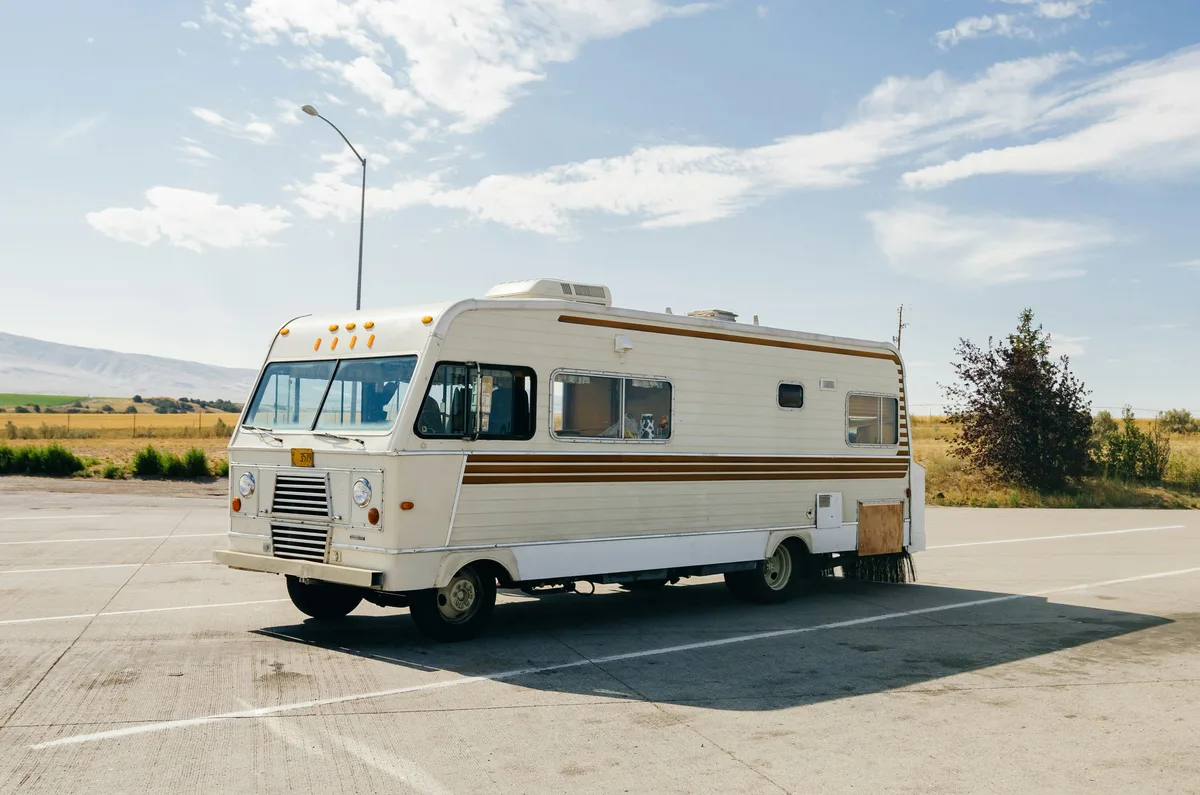
Photo by Steven Weeks on Unsplash
“Can I sleep here tonight?” is the question every RV traveler asks, and the honest answer is: it depends on the state, the facility, and the city — and the posted sign always wins. This guide compiles the 2026 overnight-parking and sleeping rules for RVs across all 50 states, covering highway rest areas, retail and truck-stop lots, and municipal street-parking bans.
An important honesty note before the table: published “rest-area rules by state” guides contradict each other constantly. Only four states link their limit to a statute we could independently verify. For the ~16 states where guides disagree, we mark the row “Varies” and tell you to verify locally rather than invent certainty. Where we cite a number, the source is noted in the Sources section.
The Two Questions Every RVer Actually Asks
- Rest areas (state-run highway stops): Is overnight sleeping allowed, and for how long?
- Retail / private lots (Walmart, Cracker Barrel, truck stops): Can I park for the night, and is it still allowed?
We cover both below, plus the municipal bans that can surprise you even where the state is permissive.
50-State Rest-Area & Overnight-Parking Table
“Rest-area overnight?” reflects whether sleeping in the rig is generally permitted at state highway rest areas. “Retail overnight” is almost always store-by-store (manager discretion) — see the retail section. “Limit / restriction” is the typical posted cap; treat it as a guide, not gospel.
| State | Rest-area overnight? | Typical limit / restriction | Retail overnight | Notable quirk |
|---|---|---|---|---|
| Alabama | Varies | Facility-dependent (ALDOT); no statewide posted limit | Store-by-store | Several rest areas prohibit overnight via signage |
| Alaska | Varies (Limited) | Varies by location; remote | Store-by-store | Very few interstate rest areas; wildlife concerns |
| Arizona | Yes | Varies (ADOT); camping prohibited | Store-by-store | Extending slide-outs can draw a citation |
| Arkansas | Yes | ”Safety reasons” only; no camping | Store-by-store | Allowed for safety, not recreation |
| California | No | 8h fatigue rest (21 CCR 2205), not overnight | Store-by-store | Many cities ban overnight RV/street parking |
| Colorado | Varies | Facility-dependent (CDOT) | Store-by-store | Guides conflict — verify locally |
| Connecticut | Varies | Facility-dependent (CT DOT) | Store-by-store | Conflicting guides — verify locally |
| Delaware | No | Up to 4h (DelDOT) | Store-by-store | Some sources cite 6h at Smyrna; verify |
| Florida | No | 3h public / 10h commercial (FDOT) | Store-by-store | No overnight camping |
| Georgia | Varies | Facility-dependent (GDOT) | Store-by-store | Welcome centers prohibit overnight |
| Hawaii | No | No interstate rest areas | Store-by-store | No interstate rest areas; highway sleeping effectively barred |
| Idaho | Yes | 10h interstate / 16h state hwy (ITD) | Store-by-store | Longer 16h limit on state highways |
| Illinois | No | 3h (IDOT) | Store-by-store | Short limit bars overnight |
| Indiana | Varies | Facility-dependent (INDOT) | Store-by-store | Most allow; some post restrictions |
| Iowa | Yes | 24h (Iowa DOT) | Store-by-store | Long 24h limit; I-80 stops well equipped |
| Kansas | Yes | 24h (KDOT) | Store-by-store | Many rest areas have RV-specific loops |
| Kentucky | No | 4h (KYTC) | Store-by-store | Short limit bars overnight |
| Louisiana | Varies | Facility-dependent (LA DOTD) | Store-by-store | No strict statewide posted limit |
| Maine | Varies | Facility-dependent (MaineDOT) | Store-by-store | Quiet, wooded stops |
| Maryland | No | 3h (MDOT) | Store-by-store | Enforcement common |
| Massachusetts | Varies | Facility-dependent (MassDOT) | Store-by-store | Most allow; some post 2h |
| Michigan | No | 4h (MDOT) | Store-by-store | Guides conflict on this one |
| Minnesota | No | 4h non-commercial (MnDOT) | Store-by-store | 4h bars overnight |
| Mississippi | Yes | 8h (MDOT); >8h “may be removed” | Store-by-store | 8h limit |
| Missouri | Yes | Varies (MoDOT); no camping | Store-by-store | Overnight allowed |
| Montana | Yes | Varies (some sources 12h) | Store-by-store | Stay in vehicle; no outdoor setups |
| Nebraska | No | 10h (NDOT) | Store-by-store | Borderline; guide classifies as prohibiting |
| Nevada | Yes | 24h (NDOT) | Store-by-store | Only state allowing camping in designated rest-area areas; some have dump stations |
| New Hampshire | No | 4h unless emergency (NHDOT) | Store-by-store | 4h bars overnight |
| New Jersey | Varies (Limited) | Facility-dependent (NJDOT) | Store-by-store | Some restrict overnight to commercial vehicles |
| New Mexico | Yes | 24h in any 3-day period (NMDOT) | Store-by-store | 24h limit |
| New York | Varies (Limited) | 3h interstate; Thruway plazas ~4h | Store-by-store | Thruway service plazas accommodate RVs |
| North Carolina | No | 4h (NCDOT) | Store-by-store | 4h bars overnight |
| North Dakota | Yes | Varies (NDDOT) | Store-by-store | RV-friendly; many offer water/wifi |
| Ohio | Varies (Limited) | 3h interstate; Turnpike plazas allow | Store-by-store | 8 Turnpike plazas allow RVs up to 40ft overnight (fee) |
| Oklahoma | Yes | Varies (ODOT) | Store-by-store | Some sources say no hour restriction |
| Oregon | Yes | 12h (ODOT); no camping | Store-by-store | Some rest areas adjoin parks/forests |
| Pennsylvania | No | 2h roadside (PA Code 67 §441.4); 24h turnpike plazas | Store-by-store | Statute-cited 2h roadside limit |
| Rhode Island | Yes | Varies (RIDOT) | Store-by-store | Few rest areas; overnight for rest permitted |
| South Carolina | Varies | Facility-dependent (SCDOT) | Store-by-store | Guides call it prohibited — verify |
| South Dakota | No | 4h non-commercial (SDDOT) | Store-by-store | 4h bars overnight |
| Tennessee | No | 2h (TDOT) | Store-by-store | 2h bars overnight |
| Texas | Yes | 24h (Transp. Code 545.411); no camping | Store-by-store | Statute-cited uniform 24h statewide |
| Utah | Yes | Extended stays permitted (UDOT) | Store-by-store | ”No overnight camping” posted but monitored; extended stays allowed |
| Vermont | Varies | Facility-dependent (VTrans) | Store-by-store | Verify locally |
| Virginia | Varies | Facility-dependent (VDOT) | Store-by-store | Guides conflict — verify locally |
| Washington | Yes | 8h (RCW 47.38.020); no camping | Store-by-store | Statute-cited 8h limit |
| West Virginia | Yes | Varies (WVDOT) | Store-by-store | Travel plazas have large-vehicle areas |
| Wisconsin | Varies | Facility-dependent (WisDOT) | Store-by-store | Guides conflict — verify locally |
| Wyoming | Yes | Varies; camping banned | Store-by-store | Longer “naps” allowed inside vehicle; keep slides in |
Regional pattern: the Mountain West and Plains skew permissive (Arizona, New Mexico, Texas, Nevada, Utah, Wyoming, Montana, North Dakota, Kansas, Iowa, Oklahoma, Mississippi, Missouri, Oregon, Washington, West Virginia), while the South Atlantic and parts of New England skew restrictive (Maryland, Virginia, North Carolina, South Carolina, Tennessee, Florida, Georgia, Alabama). But the only four limits tied to a statute we could independently verify are California (8h), Texas (24h), Washington (8h), and Pennsylvania (2h). At every other stop, the posted sign — not an aggregator table — is the controlling law.
Retail & Private-Lot Overnight Parking
Walmart
There is no blanket corporate policy. The decision is left to each individual store manager, who weighs parking space, security, and local law. The tradition has eroded fast — estimates put allowance at roughly 78% of stores in 2010, ~58% in 2020, and ~50% in 2025, with Walmart noting more than 1,000 of its ~4,700 U.S. locations do not allow overnight parking (often due to landlord leases or municipal ordinances). Rule of thumb: one night only, no hookups, no camping setup, be a patron, and always ask the manager and read the lot signs.
Cracker Barrel
Also no nationwide policy. Corporate confirmed in May 2025 that overnight parking “remains a store-by-store decision” (publicly correcting a viral rumor that it had banned overnighters). Many locations welcome RVs in the RV/bus spaces behind the store for one night, with the etiquette expectation that you eat there; some cities or lease terms forbid it. Same advice: call ahead or ask the host stand.
Truck Stops (Pilot/Flying J, Love’s, TA/Petro)
These are the most reliably RV-friendly private option and generally allow overnight parking. Most still offer free first-come general parking, but all three major chains are shifting toward paid/reserved spaces — Love’s RV Stops (full hookups, $25-35/night, reservable via app), Pilot/Flying J “Prime Parking” ($12-18/night at select sites), and TA/Petro “Reserve-It” (~$15-25/night). Park only in designated RV areas so you don’t take a trucker’s mandatory-rest berth, and local ordinances can still restrict urban locations.
Finding Current Per-Store Status
Because individual store permissions change constantly and are hyper-local, do not trust a static list. Use live directories that crowd-source current status:
- AllStays — filter by “Walmart” / “truck stops” / “rest areas” with recent check-ins
- Campendium — free overnight parking layers and reviews
- OvernightRVParking — member-reported store permissions
Municipal & Street-Parking Bans
Even in a permissive state, cities and counties can ban overnight RV or street parking outright, and these local ordinances override a friendly state stance. Verified examples include San Francisco’s 2-hour oversized-vehicle limit and Encinitas / San Diego-area vehicle-camping and RV street-parking bans. The 2024 U.S. Supreme Court decision City of Grants Pass v. Johnson upheld cities’ authority to enforce anti-camping and vehicular-habitation ordinances, so local bans carry real legal weight. Before parking on a city street, check the municipal code or look for posted “No Oversized Vehicle” or “No Camping” signs.
Universal Rules That Apply Almost Everywhere
- Never assume — ask and obey signs. A manager’s “yes” or a rest area’s absence of a sign can still be overridden by city ordinance.
- Sleeping inside is tolerated; camping is not. Slide-outs extended, awning out, chairs, outdoor cooking, or a tent is prohibited at essentially every rest area and is generally not allowed in retail lots. Keep the rig self-contained and stay inside.
- Highway shoulders are off-limits. It is illegal to park or sleep on an interstate shoulder — use a rest area, travel center, or approved lot.
- One night, move on. Even where allowed, overnight lots are for rest, not extended stays.
Sources and Verification
This report is built from 2026 aggregator guides that cross-reference state DOTs, plus corporate-policy and municipal sources. Because the guides conflict on roughly 16 states, those rows are marked “Varies” and should carry a “verify locally / read posted signs” disclaimer. Before relying on any number, spot-check the four statute-cited states against the primary links below.
Rest-area rules (50-state compilations + DOT references):
- Boondock or Bust — Interstate Rest Areas by State (last reviewed May 2026; includes per-state DOT links)
- Boondockers Bible — Overnight at a Rest Stop
- Campendium — Overnighting in Rest Areas
- RV Blogger — States That Allow Overnight in Rest Areas
Primary statute / agency pages (independently verified):
- Caltrans Rest Areas (California, 8h)
- FDOT Rest Areas (Florida)
- TxDOT Rest Area Map (Texas, 24h, Transp. Code 545.411)
- Washington RCW 47.38.020 (8h)
- Pennsylvania Code Title 67 §441.4 (2h roadside)
Retail / corporate policy:
- LegalClarity — Sleeping in a Walmart Parking Lot (manager discretion + local ordinances)
- WhenInYourState — RV Parking at Walmart in 2025 (~50% allowance, >1,000 stores banned)
- AutoRoamer — Cracker Barrel Overnight Policy (May 2025)
- Boondock or Bust — Truck Stop Overnight Parking
Municipal / legal bans:
- CBS News — San Francisco RV Overnight Parking Ban
- The Coast News — Encinitas Tightens Vehicle-Camping Rules
Rules change and guides disagree. Treat this as an August 2026 snapshot, read the posted signs at every stop, and confirm with the relevant state DOT or municipality before relying on any figure — especially on a multi-state trip, where the strictest jurisdiction you enter sets the practical floor.
Quick answers