RV Trip Fuel Saving Tips: Cut Gas Costs
Updated for 2026. Learn practical RV fuel saving tips for your next road trip. Real, beginner-friendly advice to lower gas costs without sacrificing the trip.
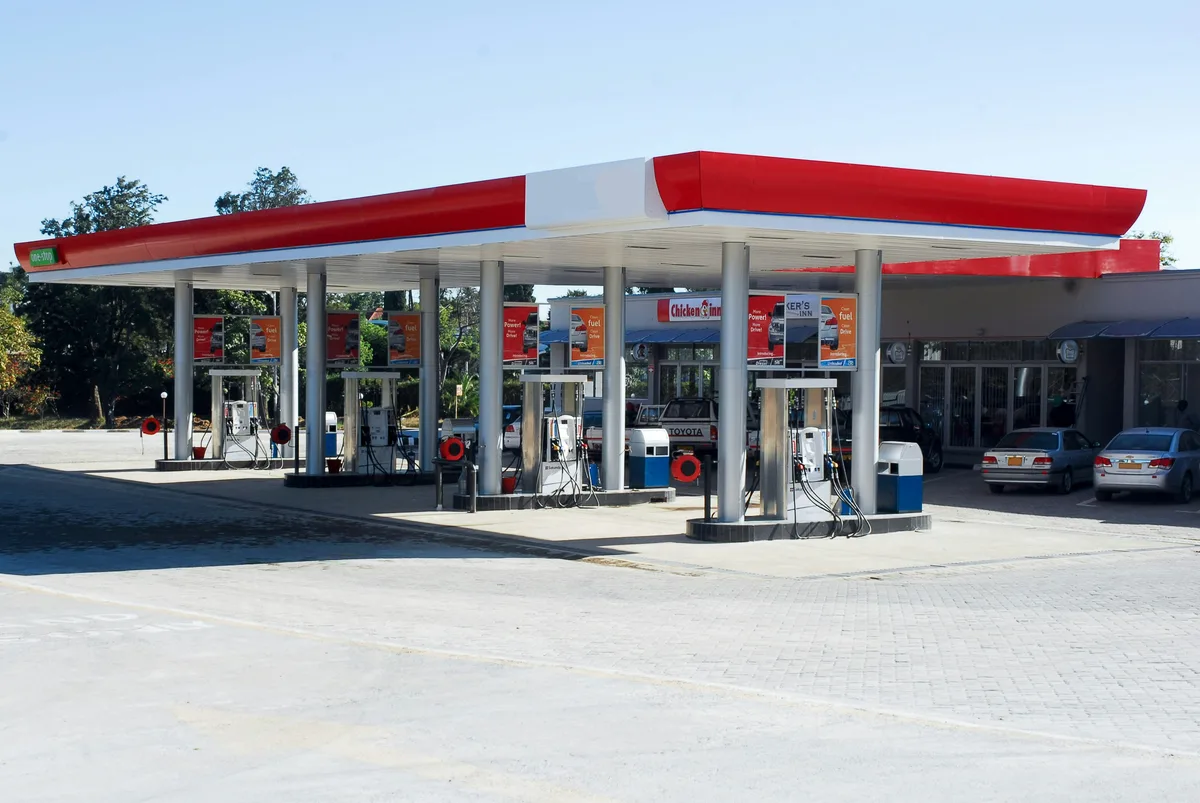
Photo by Michael Pointner on Unsplash
Fuel is the line item that surprises first-time renters most. A Class C that returns 9 mpg turns a 1,000-mile route into $350 of diesel, and a Class A can double that. You can’t change the rig, but you can change how you drive it and where you fill up. These are the moves that actually move the number.

Photo by Michael Pointner on Unsplash
Drive at 60-65 mph
This is the single biggest lever. An RV is a brick at speed—wind drag climbs steeply past 65 mph, and every 5 mph over that can cost 1-2 mpg. Holding 60-65 mph on the highway typically saves 10-15% on fuel versus running 75. On a 1,000-mile trip at 9 mpg, that’s roughly $50 back in your pocket.
Check Tire Pressure Every Morning
Under-inflated tires add rolling resistance and cost you mileage. Check the sticker on the driver’s door or the rental’s guide, and top up at a truck-stop air station. Do it cold, before a few hours of driving heats the air.
Travel Light
Every 100 lbs of cargo costs a little mileage and a lot of handling. Pack for the trip, not for every possibility. Keep heavy items low and centered so the rig tracks straight and doesn’t fight crosswinds.
Plan Flatter, Smarter Routes
Mountain passes burn fuel you never recover on the way down, and constant stop-and-go around cities wastes it. When time allows, a flatter interstate route with steady speed often beats the “scenic” shorter road. Use a route planner that accounts for RV height and low clearances so you’re not rerouting mid-trip.
Use Fuel Price Apps and Truck Stops
GasBuddy shows station prices along your route—useful when you can pick the cheaper side of a town. For diesel, big travel centers (Pilot/Flying J, Love’s, TA) are consistent and RV-friendly, with easy pull-through pumps. Many offer member fuel discounts.
Use Membership Discounts
- Good Sam: fuel discount at participating stations, typically a few cents per gallon.
- TSD/EFS and similar diesel cards: bigger savings for diesel travelers at major truck stops (often require a free account and a card).
- Store loyalty programs: some grocery and warehouse chains (Costco, Sam’s Club) sell discounted fuel and have RV-access pumps at select locations.
Don’t Idle
If you’re parked for more than a few minutes—at a trailhead, overlook, or rest stop—shut the engine. Use shore power or the battery for lights and the fan. Idling an RV burns roughly a gallon every 30-45 minutes for nothing.
Avoid Last-Minute Fuel Stops
Filling up in remote areas or right off the interstate exit costs more. Top off in larger towns where competition keeps prices down, and never roll into a national-park gateway on empty—those stations charge a premium.
Quick Reference: Realistic Savings
- Speed 60-65 vs 75: ~10-15% fuel
- Correct tire pressure: ~2-3%
- Light load + flat route: several percent combined
None of these changes the trip. Together they can take $50-$150 off a week-long route.
Estimate your own numbers with our RV Trip Budget Calculator, which builds fuel into the full trip cost from your route and dates.
FAQ
Q: What speed saves the most RV fuel? A: About 60-65 mph. Above 65, drag rises fast and mpg drops; below 60 you’re lugging the engine. That band is the sweet spot.
Q: Are truck stops cheaper for RV fuel? A: Often yes for diesel, and they’re far easier to access. Pilot/Flying J, Love’s, and TA are standard stops; membership cards add a few cents off.
Q: Do fuel apps really help? A: GasBuddy and similar show price differences of 10-30 cents per gallon along a route, which adds up across several fills.
Q: Does removing roof cargo help mileage? A: Yes—a loaded roof rack or kayak increases drag. Keep bulky gear inside or on a rear rack when you can.
Q: How much can I realistically save on a week-long trip? A: Typically $50-$150 by combining steady speed, correct tire pressure, a light load, and smart fuel stops.
Fuel is the easiest major cost to chip away at once you know the levers. Drive steady, fill smart, and pack light—the savings show up at every fill.