State Park RV Camping Rules (2026): Reservation Windows, Stay Limits
How state park RV rules differ by state in 2026: reservation lead times, max stay and RV length, hookups, and free dispersed camping on BLM/USFS land. Sourced, with links to live per-park directories.
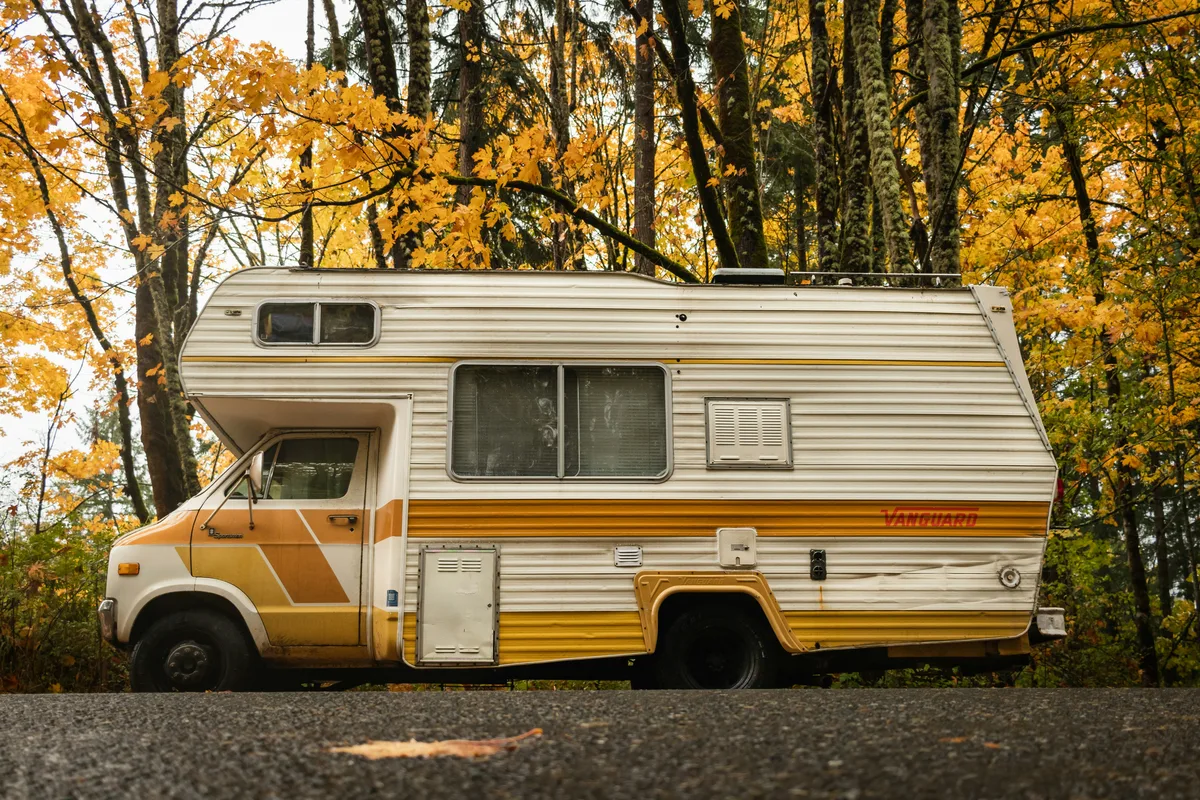
Photo by John Marks on Unsplash
Unlike national parks (run by one federal agency), America’s state parks are 50 separate systems, each setting its own RV rules: how far ahead you can book, how long you can stay, how big a rig fits, and what hookups exist. This guide maps the 2026 landscape — reservation windows by state, typical stay and length limits, and the free dispersed-camping option on federal land — then points you to the live directories where the real per-park rules live.
The honest core principle: there is no single “state park RV rule.” The number that matters is the one posted on the individual park’s page. We give you the patterns and the standouts, and link to the authoritative sources so you can verify the exact park you’re targeting.
Reservation Windows by State (Booking Lead Time)
This is the planning variable that surprises most RVers. State systems open their reservation calendars anywhere from “first-come, first-served” to a full year out:
| State | Typical reservation window | Booking system / notes |
|---|---|---|
| Connecticut | ~14 days to months (ReserveAmerica); Hammonasset & Rocky Neck up to 21 days stay | ReserveAmerica |
| Iowa | ~14 days ahead | ReserveAmerica |
| Kansas | ~14 days ahead | ReserveAmerica |
| Michigan | ~15 days ahead (some 6 months at popular parks) | Michigan DNR / ReserveAmerica |
| Minnesota | ~14 days ahead | ReserveAmerica |
| Mississippi | ~10 days ahead | ReserveAmerica |
| Missouri | Up to 12 months ahead | Missouri State Parks |
| Montana | 14 days / 30 days at some parks | Montana FWP |
| Nebraska | 180 days ahead | Nebraska Game & Parks |
| Nevada | Largely first-come, first-served | Nevada Division of State Parks |
| New Hampshire | ~14 days ahead | ReserveAmerica |
| New Jersey | ~14 days ahead | ReserveAmerica |
| New Mexico | 14 days / 20 days at some parks | New Mexico State Parks |
| New York | ~14 days ahead (9 months at some) | ReserveAmerica / Parks.ny.gov |
| North Carolina | 11 months ahead | NC State Parks |
| Maine | ~14 days ahead | ReserveAmerica |
For the many states not listed above, the common pattern is 6 months or less, frequently via ReserveAmerica or a state-run portal. Because windows change (and popular parks sell out within minutes of opening), always open the specific state park reservation site and read the current window rather than trusting a guide.
Typical Stay Limits & RV Length Caps
- Stay limits: Most state parks cap a single visit at 14 days within a 30-day period, though some allow longer in the off-season and a few are shorter. The reservation-window table above already reflects the longer stay caps at Connecticut’s busy shore parks.
- RV length: There is no national cap — each site listing states its max length. Expect 35-45 ft as the common ceiling, with some parks accommodating 50 ft and many older/tent parks far less. Always read the individual site specs.
- Hookups: Vary widely park to park — some offer full hookups (water/sewer/ electric 30 & 50 amp), many offer electric-and-water only, and remote parks may be dry camping. Generator use generally follows daytime quiet-hour rules (see FAQ).
Free Dispersed Camping on Federal Land
When state parks are full or you want to boondock, the federal estate offers legal free camping — but with hard rules and zero amenities:
| Land manager | Standard dispersed rule | Key details |
|---|---|---|
| BLM (Bureau of Land Management) | 14 days in any 28-day period | Must move 25-30 miles after the limit; pack out all waste; no hookups |
| USFS (National Forests) | ~14 days / 30-day period (some 30 days/yr) | Similar move-on rule; some forests vary |
| NPS (National Parks) | No dispersed camping | Only developed campgrounds or backcountry permits |
| BLM LTVA (Long-Term Visitor Areas, desert SW) | Up to 7 months | Fee area; the legal long-stay boondocking option |
LegalClarity’s boondocking guides confirm the same framework: dispersed camping is permitted on BLM and most national forest land under the 14-day move-on rule, while national parks require developed sites or backcountry permits and prohibit roadside dispersed stays. Always check the specific field office — some forests and BLM districts close dispersed camping seasonally (fire, wildlife, or capacity).
Where to Find the Real, Live Per-Park Rules
Because the controlling rule is the individual park’s page, link out rather than trust a static table:
- State park systems: your state’s DNR / State Parks portal (most funnel through ReserveAmerica or recreation.gov for federated ones).
- Federal campgrounds & permits: recreation.gov (NPS, USFS, some BLM).
- Dispersed-campground and boondocking directories: Campendium (user reports on length limits, cell service, and stay rules), FreeCampsites.net, and Boondocking.org.
- BLM/USFS field-office pages: for the exact dispersed-camping order in the area you plan to visit.
Practical Planning Tips
- Book the moment the window opens at popular state parks (Missouri 12 mo, North Carolina 11 mo, Nebraska 180 days fill fastest).
- Measure your rig and filter site listings by length before you arrive — a 2-inch overhang can mean a denied site.
- Carry a dump plan — many state parks and all dispersed sites require you to pack out black/gray water (see our RV sewage & dump-station laws guide).
- Know the move-on rule on BLM/USFS land: 14 days, then 25-30 miles, every time.
Sources and Verification
- Reservation windows and stay/length limits: individual state park systems and ReserveAmerica listings; cross-checked with state DNR pages (Missouri, North Carolina, Nebraska, Nevada, Montana, New Mexico, Connecticut noted above).
- Federal dispersed-camping rules: Bureau of Land Management and US Forest Service dispersed-camping orders; National Park Service camping policies; LegalClarity.net boondocking guides.
State park rules are set locally and change with season and funding — confirm the exact park’s current rules on its official reservation page before you travel.
Quick answers