Travel Trailers Guide: Everything Beginners Need to Know
Updated for 2026. Learn travel trailer basics with beginner-friendly guidance, towing tips, and rental recommendations.
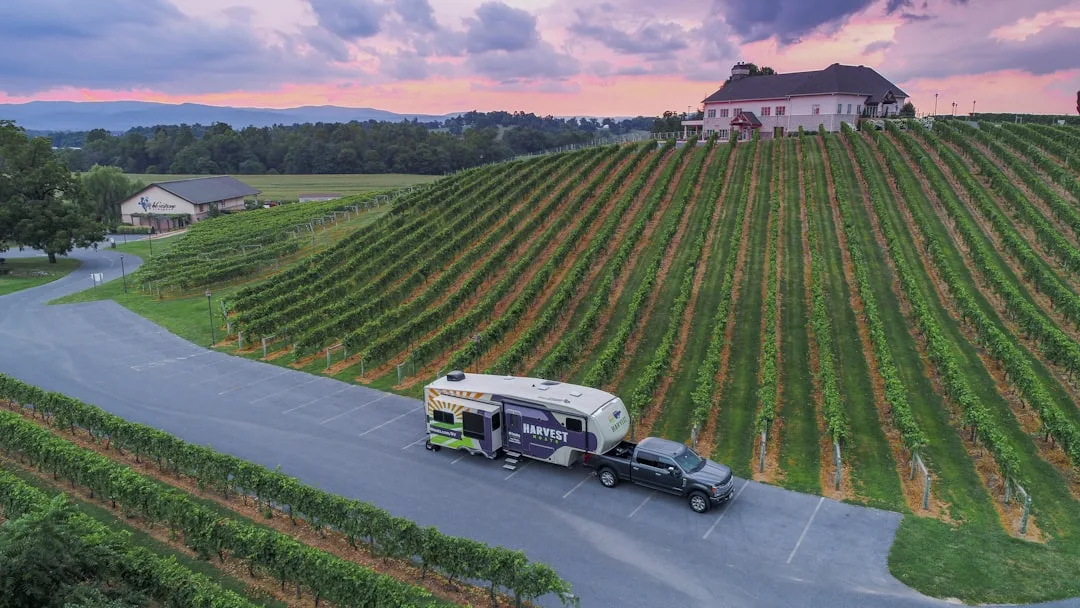
Photo by Jeremy Bishop on Unsplash
A travel trailer is a box you tow behind your own truck or SUV. There is no engine and no driver’s seat—just a living space you unhitch at the campground and leave behind while you explore in your vehicle. For the money, trailers give the most interior space of any RV type, but towing and setup are skills you have to learn.
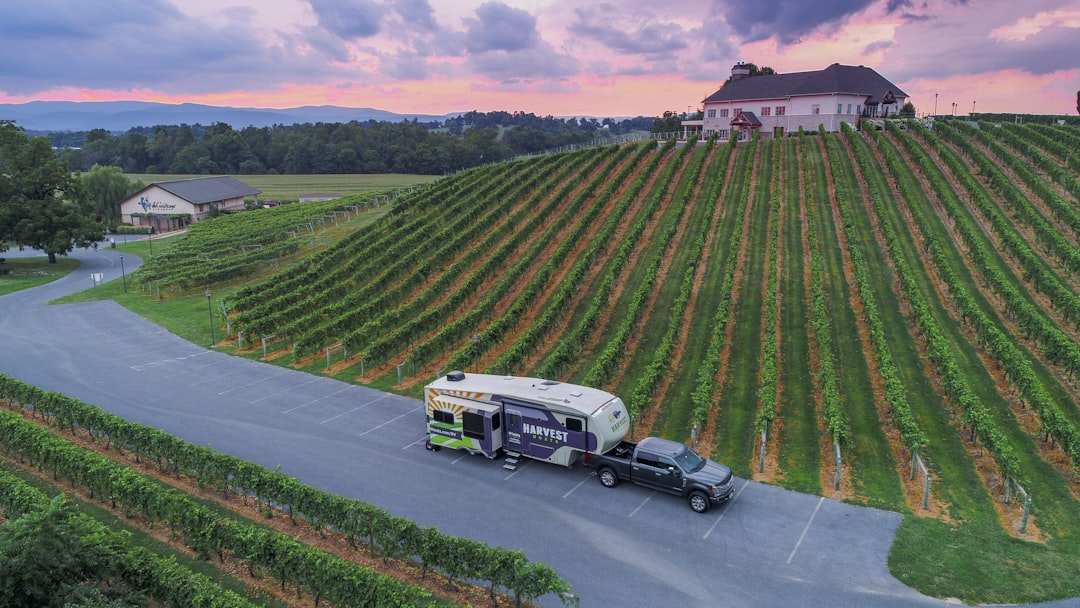
Photo by Jeremy Bishop on Unsplash
What Is a Travel Trailer?
A travel trailer hitches to a receiver on your tow vehicle with a ball coupler (or a fifth-wheel hitch for the larger models). Rentals run 15 to 35 feet, though most first-timer rentals are 20-28 feet. Sleep four to six.
Typical specs:
- Length: 15-35 ft (rentals usually 20-28 ft)
- Weight (GVWR): 3,000-10,000 lbs
- Sleeping: 4-6, often with slide-outs
- Setup: level, chock, stabilize, and connect utilities at each stop
Photo by Annie Spratt on Unsplash
Who a Travel Trailer Actually Fits
A good fit if you:
- Own a truck or SUV with real towing capacity
- Travel with a family and want separate bedrooms and a full kitchen
- Plan longer trips and want to leave the trailer at camp while you day-trip
- Want the lowest cost per square foot of any RV
A poor fit if you:
- Don’t have a vehicle rated to tow the trailer plus your gear
- Have never towed anything and want a no-learn vacation
- Travel solo and want simplicity over space
What It Really Costs
Trailer rentals often run $75-$150 per night, the lowest nightly rate of any RV type. You supply the tow vehicle, so your main added cost is your own fuel and possibly a hitch rental. Find them on RVshare and Outdoorsy (private owners list everything from 16-ft teardrops to 30-ft bunks) and at some Cruise America locations. Book two to three months ahead for summer.
Can Your Vehicle Tow It?
This is where beginners get stuck: a trailer’s GVWR must be lower than your vehicle’s tow rating, and the number includes the trailer plus water, propane, and all your gear. Most mid-size SUVs (Highlander, Explorer, 4Runner) handle small 3,000-5,000 lb trailers; a half-ton truck (F-150, Silverado, Ram 1500) covers 6,000-8,000 lb. Check the owner’s manual—never guess.
If the loaded trailer exceeds about 5,000 lbs, use a weight-distribution hitch with sway control; it spreads the tongue weight and keeps the combo stable. Practice backing in an empty lot before the trip—trailers turn the opposite way you expect at first.
Setup at the Campground
Plan 15-30 minutes the first time:
- Pull onto a level spot and set the wheel chocks.
- Lower the stabilizer jacks (they reduce bounce; they do not lift the trailer).
- Connect fresh water, then power, then sewer if you have a hookup.
- Extend slide-outs and the awning. It gets faster with repetition, but build in the time on day one.
Common First-Trip Mistakes
- Overloading past the GVWR. Weigh the loaded trailer if you can; the sticker is the law.
- Not practicing backing. An empty lot saves a public spectacle later.
- Skipping the weight-distribution hitch on heavier trailers—sway is dangerous.
- Forgetting safety chains and the breakaway cable. They are your backup if the hitch fails.
Beginner Checklist: Travel Trailer Rental
Before renting:
- Verify your vehicle’s tow rating against the trailer GVWR
- Arrange a hitch and brake controller if needed
- Practice towing and backing up
- Learn the trailer systems: water, 30-amp power, sewer
- Book 2-3 months ahead for peak season
At pickup:
- Attend the orientation; ask about the brake controller and hitch
- Inspect for water damage and tire condition
- Test lights, brakes, and appliances
- Practice backing in the lot
- Get the after-hours contact number
At the campground:
- Pick a level site and chock the wheels
- Connect utilities in order: water, power, sewer
- Stabilize and extend the awning and slides
- Relax—you earned the setup time
FAQ
Q: Do I need a special license? A: No. Trailers under 26,000 lbs GVWR are fine on a standard license in all states; the limit is your vehicle’s tow rating, not your license.
Q: How much does it cost to rent one? A: About $75-$150 per night, plus your own fuel and any hitch rental.
Q: Can my SUV tow one? A: If its rated capacity exceeds the loaded trailer weight—usually yes for small 3,000-5,000 lb trailers. Check the manual.
Q: Is a travel trailer good for boondocking? A: It can be, but tanks are modest, so water and power need care. Smaller trailers are easier to place on dispersed sites.
Q: How long does setup take? A: 15-30 minutes once you know the routine; the first time may take 45. Don’t rush it.
A travel trailer is the most space for the money and the most flexible once you’re set up—but only if you have the right tow vehicle and a willingness to learn. If you want zero hassle on day one, start with a Class B or C instead.
Confirm your vehicle can tow the loaded trailer with our RV Weight & Payload Calculator before you book.