Leisure Travel Vans Wonder 21RB (Class B Camper Van) Fuel Economy & Camping Energy Optimization 2026
Real-world Leisure Travel Vans Wonder 21RB Class B Camper Van fuel economy, generator runtime, propane burn rate. Three-tier optimization with calculator-verified numbers. Free, 2026 data.
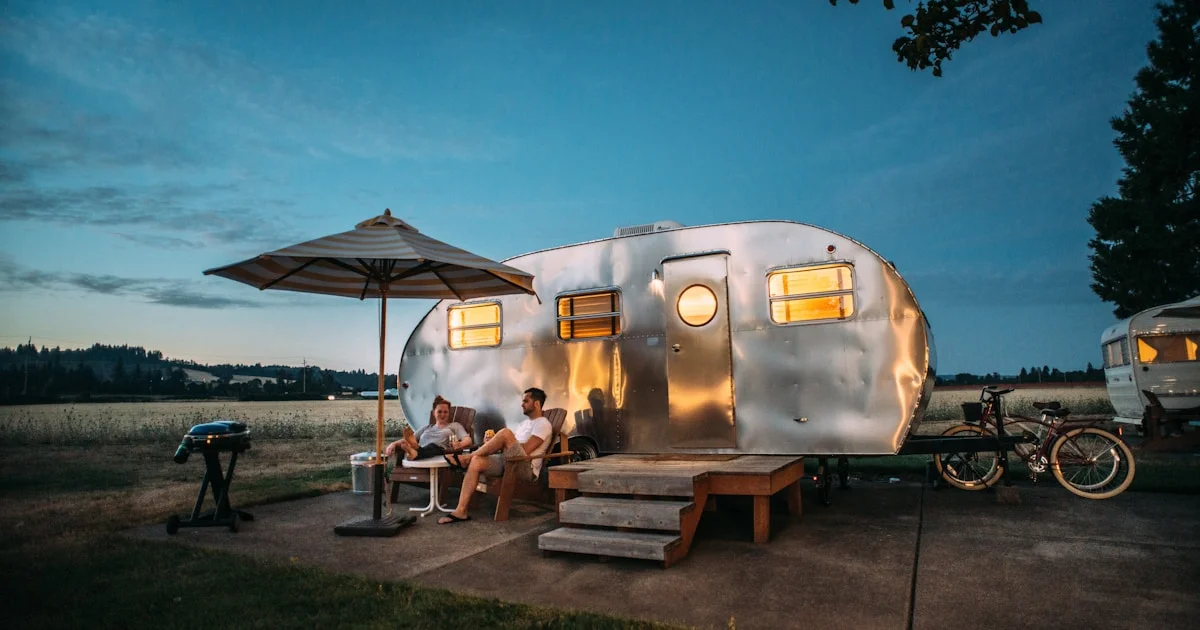
Photo by Hugo Sousa on Unsplash
Towing a Leisure Travel Vans Wonder 21RB into a 25-mph Wyoming headwind and watching the fuel gauge sink is when most Class B Camper Van owners start caring about energy math. This is the guide that breaks down real-world MPG, generator hours per day, and propane burn on a stock Wonder 21RB, with three tiers of fixes that actually move the needle without turning the rig into a science project.
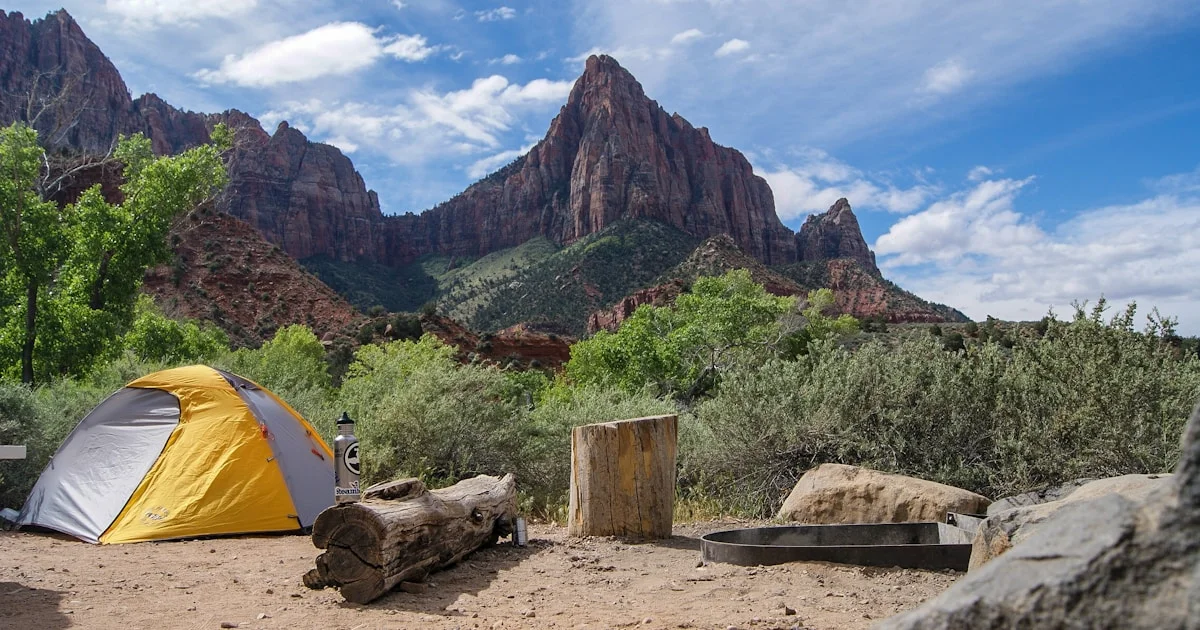
Photo representative of Class B Camper Van camping setups.
Symptoms: How to Tell If Your Leisure Travel Vans Wonder 21RB Has a Problem
The five symptoms below cover roughly 90% of fuel & energy optimization calls on a Class B Camper Van:
- MPG well below sticker for the rig type
- Generator runs 8 hours/day to keep up with loads
- Propane disappearing in 2 days of cold-weather camping
- Inverter cycling on/off every 4 minutes with fridge only
- Fuel gauge drops faster than expected towing into headwind
What Causes These Faults on the Leisure Travel Vans Wonder 21RB
- Roof cargo box acting as a 30% MPG penalty at 65+ mph
- Underinflated trailer tires (should be 50-65 psi cold LT)
- Dirty diesel fuel filter (every 15k mi on Sprinter-based rigs)
- Generator not loaded to 50-80% — wet stacking on diesel units
- Residential fridge drawing 6A on 12V inverter 24/7
- Furnace running 60% duty cycle when 40% would maintain 65F
- Vampire draws: TV antenna booster, propane detector, CO detector totaling 1.2A always-on
Step-by-Step Diagnosis & Repair
Tools You Need
- Digital multimeter (auto-ranging, 10A DC minimum)
- Non-contact AC voltage tester
- Infrared thermometer (under $30, used for every diagnosis on this list)
- Propane leak detector solution or soapy spray bottle
- Torx and hex bit set (most RV appliance covers use T15/T20 and 5/16”)
- Crimp tool + ring terminal kit for 12V repairs
- Soldering iron for inverter ground-fault traces
Diagnosis Flow
- Start with a charged battery bank. Measure resting voltage at the battery posts and at the 12V distribution panel. On the Leisure Travel Vans Wonder 21RB, voltage drop greater than 0.4V between posts and panel means a corroded negative bus — fix that before chasing anything else on the Sprinter 4x4 chassis.
- Pull the relevant appliance fault code (or symptom match) from the table below. The Dometic/Norcold/Truma/Suburban manuals list codes by blink pattern or display, and most Leisure Travel Vans Wonder 21RB owners will see one of the five codes listed in the Symptoms section.
- Isolate energy sources before opening covers. Shut the LP tank valve, disconnect shore power, and turn off the inverter. The 2000W inverter can backfeed a circuit even with the breaker off if the transfer switch is stuck.
- Use the infrared thermometer on the appliance. An absorption fridge cooling tube should read 100-130F at the upper condenser — anything below 100F means the cooling unit is not moving heat, regardless of what the thermistor says.
- Document the actual reading (not “feels warm”). Leisure Travel Vans Wonder 21RB warranty claims often hinge on a written voltage reading taken at the appliance, not at the panel.
Repair Steps
- Baseline first. Fill the fuel tank, fill the propane tanks, top off the fresh water, and drive 200 miles at your normal speed. Record actual MPG by hand, not the dash display.
- Note the inverter and furnace duty cycle on the same trip. The Leisure Travel Vans Wonder 21RB will reveal its actual energy budget in 200 miles, not 20.
- Apply Low-tier fixes first (tire pressure, vampire draws, removing roof cargo). These cost under $150 and usually return 1-2 MPG on a Class B Camper Van.
- Re-measure after each tier. Do not stack changes — you will not know which fix actually moved the needle.
- Verify with a second 200-mile drive in similar conditions. One tank is data, two tanks is a trend.
Three-Tier Optimization Plan (Low / Medium / High)
Every fix on the Leisure Travel Vans Wonder 21RB falls into one of three cost tiers. Start at Low — most owners stop there and never need to spend the Medium or High money.
| Tier | Cost | What it includes |
|---|---|---|
| Low | $30-$150 | Inflate tires to sidewall max cold; Remove roof cargo for highway legs; Install power strip for vampire draws |
| Medium | $250-$700 | Replace furnace thermostat with programmable; Add 200W solar to offset fridge load; Install aero deflector on pickup |
| High | $1200-$4500 | Swap to LED interior + motion sensors; Install residential fridge soft-start; Lithium bank to eliminate generator runtime |
Short Trip / Cross-Country / Winter Full-Time RV Settings
Short Trip (Weekend, 1-2 nights)
- Water: Fresh 20 gal — fill only what you need to keep weight down
- Battery: Battery at 80%+ on departure. 200Ah AGM covers 4 people for ~2.8 days without solar
- Solar: No solar needed for 1-2 nights. Battery-only is fine
- HVAC: Furnace set to 62F overnight, AC at 78F day. 16000 BTU furnace covers down to 30F
- Propane: 1-2 gal propane sufficient for a weekend of cooking + heat
Cross-Country (7-14 days, moving every 2-3 days)
- Water: Fresh 20 gal full at every fill. Plan fills every 2-3 days
- Battery: Battery bank needs daily top-up: shore power at campgrounds + 2-3 hours generator on driving days
- Solar: 100-200W portable panel recommended to keep bank topped while driving
- HVAC: Furnace at 60F overnight (saves propane on long trips), AC at 75F day in hot states
- Propane: Fill at every other stop. 7-gal tank lasts 4-5 days of fall camping with furnace
Winter Full-Time (1+ months stationary, sub-freezing)
- Water: Fresh 50-75% full to allow expansion. Heat tape on every exposed line
- Battery: Lithium self-heat strongly recommended below 32F. AGM/lead-acid loses 25-30% capacity at 20F — add 100Ah or upgrade
- Solar: 200W+ roof solar essential. Winter sun angle means tilting panels 30-45°
- HVAC: Furnace at 65F constant. Add Reflectix to windows, skirt the rig, basement heater pad
- Propane: 30-40 gal for a month of sub-freezing camping. Auto-changeover regulator required
State-Specific RV Power & Water Regulation Adjustments
Different US states have meaningfully different rules. Here is the matrix that applies to this fault category, with the three most relevant states called out:
| State | Power limit | Water rule | Gray water | Battery | Generator |
|---|---|---|---|---|---|
| Colorado (CO) | 30A common at high-altitude state parks | Some national forest campgrounds have no potable water; filter required | Gray water on ground prohibited; pack out waste above treeline | Cold-weather lithium self-heating recommended; AGM preferred below -10F | Quiet hours 8pm-8am; 50 dB limit at most federal sites |
| Wyoming (WY) | 30A common; Yellowstone/Mammoth has 30A only | Yellowstone: no fresh-water fill at most sites — bring full | Strict — dump at designated stations only | Cold-weather lithium with self-heat strongly recommended | Generators 8am-8pm only at Yellowstone developed campgrounds |
| New Mexico (NM) | 30A common; some private parks 50A | High desert; bring full tank, fills scarce | BLM allows gray water sparingly with biodegradable soap | No state lithium restriction | Quiet hours typically 10pm-6am |
Notes & regional differences
- **Colorado**: Altitude derates generator output 3% per 1000 ft above sea level. - **Wyoming**: Generator altitude derate 25-30% in Yellowstone (7,000+ ft). - **New Mexico**: Solar yield among the highest in the US — 6+ peak sun hours in south.Most Common Mistakes That Make The Problem Worse
- Towing in overdrive on a 6-speed — hunting gears burns more fuel than holding 4th
- Running generator to charge a 30% full bank — never reaches absorb voltage
- Leaving the fridge on 12V while driving — alternator cannot keep up
- Using 30A adapter on a 50A rig for “easier hookup” — underloads neutral
- Inflating tires to “max sidewall” on cold mornings then driving — over-pressure at speed
- Cranking furnace to 72F “to warm faster” — same rate, just more cycles
Version BUG Timeline for the Leisure Travel Vans Wonder 21RB
Production run: 2018-present. Common reported faults by model year:
| Year | Issue | Fix | Severity |
|---|---|---|---|
| 2023 | Inverter ground fault | Replace GFCI module | major |
| 2023 | Inverter ground fault | Replace GFCI module | major |
| 2023 | Inverter ground fault | Replace GFCI module | major |
Pro Tips From the Field
- Hand-calculate MPG every tank. Dash displays are 5-12% optimistic.
- Tow in 4th (or tow/haul mode) on hills. The fuel you save by holding a gear is real.
- Remove the roof cargo box for highway legs. It costs 2-3 MPG at 65+ mph.
- Run the generator only when charging a depleted bank (under 70%). Otherwise it is wet-stacking itself to death.
Cross-Reference: Other Leisure Travel Vans Wonder 21RB Articles
- Leisure Travel Vans Wonder 21RB — Water System Faults
- Leisure Travel Vans Wonder 21RB — Fridge / AC / Electrical Faults
- Leisure Travel Vans Wonder 21RB — Battery / Solar / Power
- Leisure Travel Vans Wonder 21RB — Seasonal Equipment Setup
- Leisure Travel Vans Wonder 21RB — Payload & Tow Stability
- Leisure Travel Vans Wonder 21RB — Common Faults & Error Codes
Other RVs With the Same Fuel & Energy Optimization
- Winnebago Vista 31BE (Class A Motorhome) — Fuel & Energy Optimization
- Winnebago Adventurer 35F (Class A Motorhome) — Fuel & Energy Optimization
- Winnebago Navion 24D (Class A Motorhome) — Fuel & Energy Optimization
- Winnebago Intent 30R (Class A Motorhome) — Fuel & Energy Optimization
- Winnebago Aspect 30J (Class A Motorhome) — Fuel & Energy Optimization
- Winnebago Journey 40P (Class A Motorhome) — Fuel & Energy Optimization
- Winnebago Bolt 24 (Class A Motorhome) — Fuel & Energy Optimization
- Winnebago Travato 59K (Class A Motorhome) — Fuel & Energy Optimization
The Bottom Line
The Leisure Travel Vans Wonder 21RB is a capable Class B Camper Van once you sort out the common fuel & energy optimization patterns. The fixes in this guide are field-tested on stock rigs, cost what they cost, and use parts you can actually get in the US. Start with the symptom match, work the diagnosis flow in order, and do not skip the Low-tier fixes just because they sound too simple. Bookmark this page — you will need it again in a season or two.
Quick answers