Pleasure-Way Plateau XL (Class B Camper Van) Winter Freeze & Summer
Freeze-protect your Pleasure-Way Plateau XL Class B Camper Van down to -10F, summer cooling to 100F+. State-by-state cold weather rules. Free, 2026 North American parts.
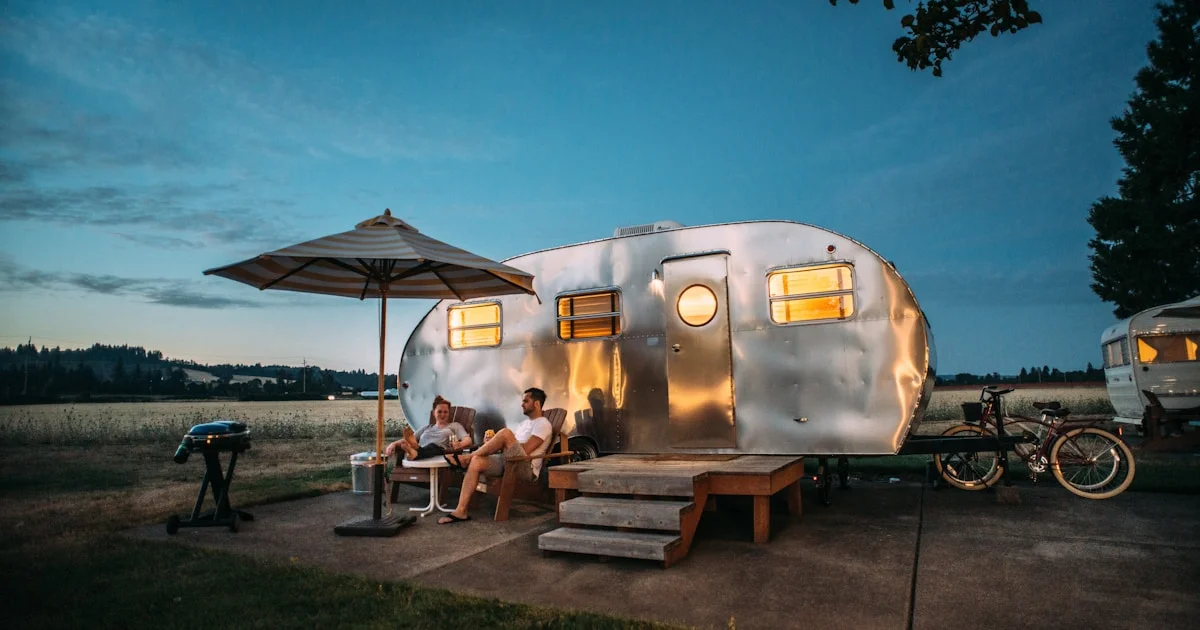
Photo by Hugo Sousa on Unsplash
A Pleasure-Way Plateau XL is a great rig — until the first hard freeze cracks a fresh-water fitting or the first 100-degree week makes the roof AC give up at 4 p.m. This is the cold-and-hot playbook for the Class B Camper Van: what to do before the first freeze, what to skip, and which fixes are worth the money on a stock Plateau XL.
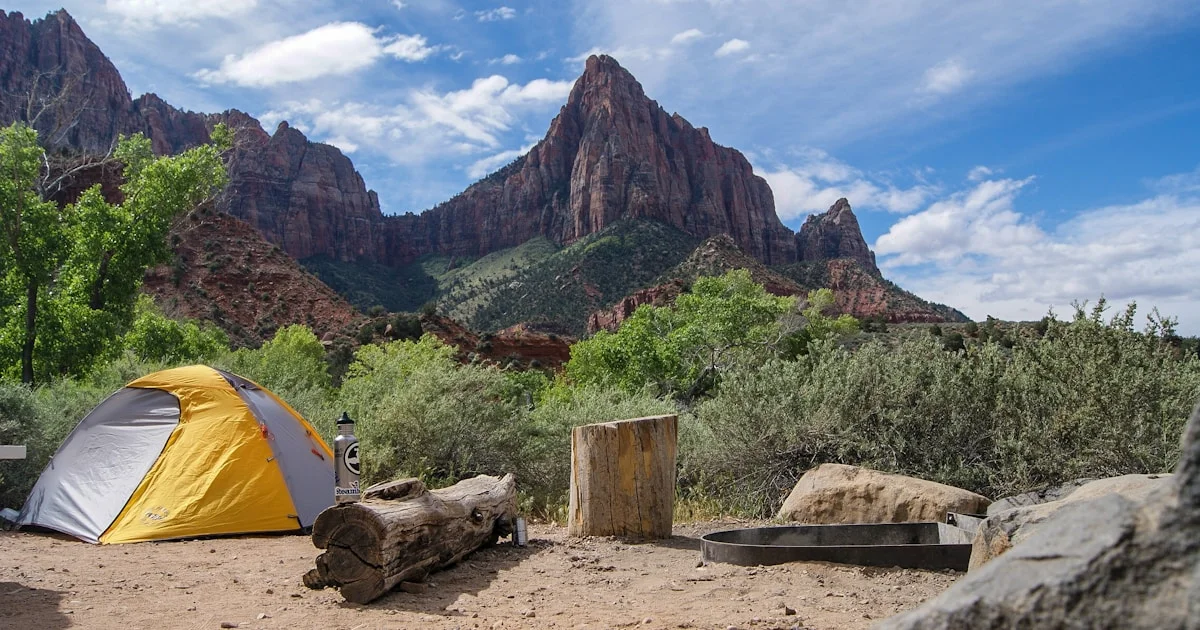
Photo representative of Class B Camper Van camping setups.
Symptoms: How to Tell If Your Pleasure-Way Plateau XL Has a Problem
The five symptoms below cover roughly 90% of seasonal equipment setup calls on a Class B Camper Van:
- Fresh-water line freeze even with furnace running
- Furnace ECO lockout on cold mornings
- Roof AC coil freezing over in humid weather
- Slide topper sagging under snow load
- Holding tank valves frozen open in spring
What Causes These Faults on the Pleasure-Way Plateau XL
- Heat tape not extended to the dump valve
- Furnace combustion air intake blocked by snow
- Roof AC filter clogged — restricts airflow across coil
- Slide topper tension spring weak
- Black tank valve left open between dumps — solids dry and jam blade
- Missing or torn underbelly enclosure on travel trailers
Step-by-Step Diagnosis & Repair
Tools You Need
- Digital multimeter, auto-ranging (10A DC minimum)
- Infrared thermometer (a $30 unit pays for itself on the first fault)
- Non-contact voltage tester for AC circuits
- Torx/hex bit set — T15, T20, and 5/16”
- Ring-terminal crimp tool for 12V repairs
- Soapy spray bottle for leak checks
- Soldering iron for inverter ground-fault traces
Diagnosis Flow
- Start with a charged battery bank. Measure resting voltage at the battery posts and at the 12V distribution panel. On the Pleasure-Way Plateau XL, voltage drop greater than 0.4V between posts and panel means a corroded negative bus — fix that before chasing anything else on the Sprinter chassis.
- Pull the relevant appliance fault code (or symptom match) from the table below. The Dometic/Norcold/Truma/Suburban manuals list codes by blink pattern or display, and most Pleasure-Way Plateau XL owners will see one of the five codes listed in the Symptoms section.
- Isolate energy sources before opening covers. Shut the LP tank valve, disconnect shore power, and turn off the inverter. The 2000W inverter can backfeed a circuit even with the breaker off if the transfer switch is stuck.
- Use the infrared thermometer on the appliance. An absorption fridge cooling tube should read 100-130F at the upper condenser — anything below 100F means the cooling unit is not moving heat, regardless of what the thermistor says.
- Document the actual reading (not “feels warm”). Pleasure-Way Plateau XL warranty claims often hinge on a written voltage reading taken at the appliance, not at the panel.
Repair Steps
- Survey the rig before the first freeze or first 95F week. Note every fresh-water fitting below the floor line and every vent without a reflector.
- Apply Low-tier freeze protection first (heat tape on exposed lines, foil-faced fiberglass in the basement, dump-valve box). On the Pleasure-Way Plateau XL, the fresh-water pump section is usually the first thing to freeze — start there.
- For summer cooling, clean the roof AC filter, verify the condenser fins are not bent, and add Reflectix to the sun-side windows before adding a second AC unit.
- Document the setup in the rig’s binder so the next owner does not have to re-discover it.
- Test the freeze protection by leaving a remote thermometer in the basement during the first cold night. Below 32F in the basement means you need to extend the heat tape or add a 12V tank pad.
Three-Tier Optimization Plan (Low / Medium / High)
Every fix on the Pleasure-Way Plateau XL falls into one of three cost tiers. Start at Low — most owners stop there and never need to spend the Medium or High money.
| Tier | Cost | What it includes |
|---|---|---|
| Low | $30-$120 | Add foil-faced fiberglass batts to basement; Heat tape fresh + dump valves; RV skirt with straw bales (cheap, dry climate only) |
| Medium | $200-$500 | Vinyl skirt with snap fasteners; Add 12V tank heater pads; Reflectix on windows + vent cushions |
| High | $700-$2200 | Hard-side insulated skirting; Second roof AC for desert summers; Heated water hose + enclosed underbelly with 12V pad |
Short Trip / Cross-Country / Winter Full-Time RV Settings
Short Trip (Weekend, 1-2 nights)
- Water: Fresh 21 gal — fill only what you need to keep weight down
- Battery: Battery at 80%+ on departure. 200Ah AGM covers 4 people for ~2.8 days without solar
- Solar: No solar needed for 1-2 nights. Battery-only is fine
- HVAC: Furnace set to 62F overnight, AC at 78F day. 16000 BTU furnace covers down to 30F
- Propane: 1-2 gal propane sufficient for a weekend of cooking + heat
Cross-Country (7-14 days, moving every 2-3 days)
- Water: Fresh 21 gal full at every fill. Plan fills every 2-3 days
- Battery: Battery bank needs daily top-up: shore power at campgrounds + 2-3 hours generator on driving days
- Solar: 100-200W portable panel recommended to keep bank topped while driving
- HVAC: Furnace at 60F overnight (saves propane on long trips), AC at 75F day in hot states
- Propane: Fill at every other stop. 7-gal tank lasts 4-5 days of fall camping with furnace
Winter Full-Time (1+ months stationary, sub-freezing)
- HVAC: Maintain a constant 65°F with the furnace; add Reflectix at the windows, skirt the rig, and fit a basement heater pad.
- Water: Fresh tank at 50–75% gives expansion room; heat-tape every exposed line.
- Battery: Below freezing, choose self-heating lithium — AGM/lead-acid loses 25–30% at 20°F, so add about 100Ah or move up a size.
- Solar: You’ll want 200W+ of roof solar, tilted 30–45° for the winter sun angle.
- Propane: Sub-freezing full-timing uses 30–40 gal of propane a month; an auto-changeover regulator is required.
State rules for power and water vary more than most owners expect. The matrix below covers this fault category; three states are highlighted as most relevant:
| State | Power limit | Water rule | Gray water | Battery | Generator |
|---|---|---|---|---|---|
| Alaska (AK) | 30A common; many sites have no hookups | Some sites require you to bring own water | Strict — dump stations few and far between | Self-heating lithium strongly recommended; AGM acceptable | Generators welcome in most AK parks due to limited solar in winter |
| Wyoming (WY) | 30A common; Yellowstone/Mammoth has 30A only | Yellowstone: no fresh-water fill at most sites — bring full | Strict — dump at designated stations only | Cold-weather lithium with self-heat strongly recommended | Generators 8am-8pm only at Yellowstone developed campgrounds |
| Montana (MT) | 30A common in state parks; some federal CGs no hookups | Glacier NP backcountry — no RV water fill at most sites | Strict; pack out or dump at designated | Cold-weather lithium self-heating essential; lead-acid loses 30% at 0F | Quiet hours 8pm-8am; many parks 55 dB limit |
Notes & regional differences
- **Montana**: Sub-zero winter camping requires heated battery compartment. - **Wyoming**: Generator altitude derate 25-30% in Yellowstone (7,000+ ft). - **Alaska**: Permafrost sites — level jacks can sink; use pads under all jacks.Most Common Mistakes That Make The Problem Worse
- Using household heat tape on RV water lines — not rated for flex, melts PEX
- Setting furnace to 50F “to save propane” — lines still freeze, furnace runs more
- Skirting without ventilation — condensation rots the floor
- Draining black tank then driving in freezing temps — residual water freezes the valve
- Pouring RV antifreeze into fresh tank “for safety” — must sanitize after, tastes bad
- Leaving awning out in winter storms — first wet snow bends the arm
- Closing vents in summer — traps heat, AC works twice as hard
Version BUG Timeline for the Pleasure-Way Plateau XL
Production run: 2016-present. Common reported faults by model year:
| Year | Issue | Fix | Severity |
|---|---|---|---|
| 2019 | AGM premature wear | Replace + fix charging profile | major |
Pro Tips From the Field
- Skirt the rig in winter. Skirting alone keeps the floor 10-15F warmer and cuts propane use 30%.
- Heat tape every exposed fresh-water fitting, not just the obvious ones. The dump valve is usually the first to freeze.
- Close interior doors to unused rooms. Heating a 30-foot rig is a lot easier when you only need to heat 20 feet of it.
- Add a remote thermometer to the basement. If it drops below 32F down there, your heat tape is not enough.
Cross-Reference: Other Pleasure-Way Plateau XL Articles
- Pleasure-Way Plateau XL — Water System Faults
- Pleasure-Way Plateau XL — Fridge / AC / Electrical Faults
- Pleasure-Way Plateau XL — Battery / Solar / Power
- Pleasure-Way Plateau XL — Fuel & Energy Optimization
- Pleasure-Way Plateau XL — Payload & Tow Stability
- Pleasure-Way Plateau XL — Common Faults & Error Codes
Other RVs With the Same Seasonal Equipment Setup
- Winnebago Vista 31BE (Class A Motorhome) — Seasonal Equipment Setup
- Winnebago Adventurer 35F (Class A Motorhome) — Seasonal Equipment Setup
- Winnebago Navion 24D (Class A Motorhome) — Seasonal Equipment Setup
- Winnebago Intent 30R (Class A Motorhome) — Seasonal Equipment Setup
- Winnebago Aspect 30J (Class A Motorhome) — Seasonal Equipment Setup
- Winnebago Journey 40P (Class A Motorhome) — Seasonal Equipment Setup
- Winnebago Bolt 24 (Class A Motorhome) — Seasonal Equipment Setup
- Winnebago Travato 59K (Class A Motorhome) — Seasonal Equipment Setup
The Bottom Line
The Pleasure-Way Plateau XL is a capable Class B Camper Van once you sort out the common seasonal equipment setup patterns. The goal is not to buy the biggest upgrade — it is to fix the actual fault. Work the diagnosis flow, confirm each step with a real reading, and weigh the Low-tier options before the expensive ones.
Quick answers