RV Trip Meal Planning Ideas to Save Time and Money on the Road

Planning your first RV trip? Learn RV trip meal planning to save time and money with beginner-friendly tips, common mistakes and practical checklists.

RV Trip Meal Planning Ideas to Save Time and Money on the Road

Photo by Toa Heftiba on Unsplash

Feeding a family from a kitchen the size of a closet is one of the surprises first-time RV renters do not fully anticipate. The fridge is smaller, the stove has fewer burners, and counter space is nearly nonexistent. Without a plan, you end up eating cold sandwiches for three days or spending far more than you intended at restaurants. RV trip meal planning solves both problems at once: it keeps your food budget in check and turns cooking into a low-stress part of the adventure.

This guide walks through how to plan meals for an RV trip, from building a menu that fits a small kitchen to shopping, storing, and cooking efficiently on the road. You will learn which meals work best, how to pack a fridge for maximum life, and how to avoid the common mistakes that leave renters frustrated and hungry. Whether your trip is a long weekend or a two-week loop, a little planning makes eating well on the road easy.

Before you start planning your menu, use our RV trip budget calculator to see how much you can save by cooking in the RV versus dining out.

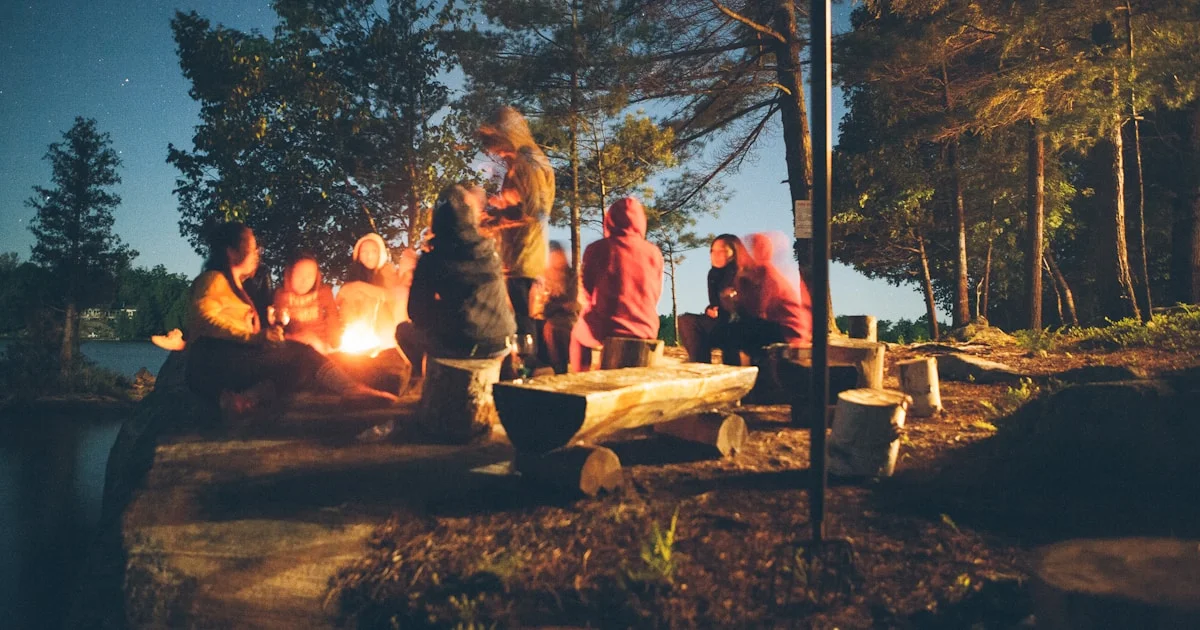
Family cooking a meal over a campfire at an RV campsite to save money on the road

Photo by Toa Heftiba on Unsplash

Why Meal Planning Matters More in an RV

In a house, a missing ingredient means a quick trip to the store. In an RV, the nearest grocery may be 40 miles down a two-lane road, and the camp store sells hot dogs at triple the price. Planning ahead is not just about saving money, though it does that too. It is about reducing the daily decision fatigue that drains a trip.

A good meal plan gives you three concrete things:

  1. A shopping list you can execute in one or two store runs.
  2. A prep sequence that minimizes dishes and propane use.
  3. A fallback option for nights when you arrive late or tired.

The goal is not to cook gourmet meals. It is to eat well, spend less, and spend your evenings relaxing instead of scrambling.

Building an RV-Friendly Menu

The best RV meals share a few traits: few ingredients, one pot or pan, minimal chopping, and ingredients that pull double duty across multiple meals. Build your menu around these categories.

One-Pot Dinners

  • Tacos: Brown ground beef or turkey, add seasoning, and serve with tortillas, cheese, and salsa. Cleanup is one pan.
  • Pasta with jarred sauce: Boil pasta, warm sauce, add a bagged salad on the side. Endless variations with different sauces and add-ins.
  • Chili or soup: Make a batch on day one and eat leftovers for lunch the next day. Uses canned goods that do not need refrigeration.
  • Stir-fry: Sauté protein and a bag of frozen vegetables with soy sauce over rice or noodles. Fast and forgiving.

Breakfast Options

  • Oatmeal or yogurt parfaits: No cooking required, fast cleanup.
  • Eggs and tortillas: Scrambled eggs wrapped in a tortilla with cheese and salsa.
  • Pancakes: Mix from a bottle or box, cooked on a griddle. Feeds a crowd cheaply.

Lunch and Snacks

  • Sandwiches and wraps: Deli meat, cheese, and condiments keep for days.
  • Trail mix, fruit, and crackers: Low-prep snacks that do not need the fridge.
  • Leftovers from dinner: Pack them in containers the night before for an easy lunch.

Campfire Cooking

If your campsite has a fire ring, expand beyond the stove. Foil packet meals (meat, potatoes, and vegetables wrapped in foil and cooked in the coals) are a beginner-friendly campfire classic. Hot dogs and marshmallows need no instruction and add to the outdoor experience.

Shopping Strategy: One Big Run Plus Small Top-Ups

The most efficient approach is one big grocery run before you leave, then small top-ups for fresh items every three to four days. This minimizes store stops and ensures you always have a baseline of food.

What to Buy Before You Leave

  • Proteins: ground meat, chicken, deli meat, eggs, canned tuna
  • Carbs: pasta, rice, tortillas, bread, crackers
  • Canned goods: sauce, beans, soup, vegetables
  • Fresh produce that lasts: apples, oranges, carrots, onions, potatoes
  • Dairy: cheese, butter, milk or shelf-stable milk
  • Condiments and spices: salt, pepper, oil, salsa, soy sauce
  • Drinks: water, coffee, tea

What to Restock Mid-Trip

  • Fresh greens and delicate produce (spinach, tomatoes, berries)
  • More bread and tortillas
  • Additional dairy if you have fridge space
  • Ice for the cooler if you are using one

For the gear side of cooking, including pots, pans, and utensils to pack, review our essential RV gear checklist to confirm your rental includes what you need.

Packing the RV Fridge and Cooler

RV refrigerators work differently than household fridges. They cool best when full and struggle to recover when packed with warm items at once. A few packing habits keep food safe and cold longer.

RV Fridge Tips

  • Pre-chill items in your home fridge before loading the RV.
  • Pack the fridge full, using water bottles or drinks to fill gaps. A full fridge holds temperature better.
  • Put drinks and frequently used items near the front to minimize open time.
  • Avoid putting hot leftovers straight in. Let them cool slightly first.
  • Use a small fridge thermometer to confirm the temperature stays below 40°F.

Cooler Strategy

If your rental has a small fridge, supplement it with a cooler for drinks and items that do not need strict temperature control.

  • Use block ice instead of cubed; it melts slower.
  • Layer items with the ones you need last at the bottom.
  • Drain water periodically and refill with fresh ice.
  • Keep the cooler out of direct sun or cover it with a blanket.

Cooking Efficiently in a Small Kitchen

RV kitchens reward simplicity. With two or three burners and limited counter space, the way you sequence cooking matters as much as the recipe itself.

Workflow Tips

  • Prep all ingredients before turning on the stove. There is no room to chop while something cooks.
  • Use a single cutting board and a single knife, washing between tasks.
  • Cook in batches when possible, then store leftovers for the next meal.
  • Line pans with foil or parchment to reduce scrubbing.
  • Clean as you go. A small sink fills with dishes fast.

Propane and Power Considerations

Cooking on the stovetop uses propane, which is finite on a long trip. Plan meals that cook quickly, and use the microwave (when you have shore power or a generator) to reheat leftovers instead of firing up the burner again. For longer trips, track your propane level and plan a refill stop. If you want to map fuel and propane stops along your route, the RV trip planner helps you lay out the full itinerary.

A Sample Three-Day RV Meal Plan

Here is a simple, repeatable plan that uses minimal dishes and shared ingredients.

MealDay 1Day 2Day 3
BreakfastYogurt and granolaScrambled eggs and tortillasOatmeal with fruit
LunchDeli sandwichesLeftover chiliWraps with leftover chicken
DinnerTacosOne-pot chiliStir-fry with rice
SnackTrail mix and applesCrackers and cheeseFruit and peanut butter

This plan uses one protein across two dinners (ground meat for tacos and chili), one set of tortillas for multiple meals, and produce that lasts the three days. Adjust portions and proteins to your group size.

Common Beginner Mistakes

  • Planning elaborate meals: A small kitchen is not the place for five-course dinners. Stick to one-pot recipes.
  • Forgetting condiments and spices: A meal without salt, pepper, or salsa is a sad meal. Pack a small spice kit.
  • Overloading the fridge with warm items: The fridge cannot recover quickly. Pre-chill everything you can.
  • Not planning for late arrivals: Have a no-cook backup meal (sandwiches, canned soup) for nights you pull in after dark.
  • Buying too much fresh produce: Greens wilt fast and take up fridge space. Buy what you will eat in three days.
  • Ignoring dishwashing logistics: RV sinks are tiny. Meals that use three pots and a cutting board create a cleanup backlog.

RV Trip Meal Planning Checklist

  • Build a day-by-day menu using one-pot and low-prep recipes
  • Create a shopping list organized by grocery category
  • Do one big grocery run before departure
  • Pre-chill all refrigerated items before loading the RV
  • Pack the fridge full, using drinks to fill gaps
  • Bring a cooler for overflow drinks and items
  • Pack a small spice kit with salt, pepper, oil, and key condiments
  • Stock a no-cook backup meal for late arrivals
  • Plan a mid-trip restock stop for fresh produce and bread
  • Track propane level and plan a refill if needed

Conclusion

RV trip meal planning is the lever that turns a stressful trip into a relaxed one. A simple menu built around one-pot meals, a single big grocery run, and smart fridge packing keeps your food budget low and your evenings free. You do not need fancy recipes or specialty gear, just a plan that respects the limits of a small kitchen and the rhythm of travel.

Start by running your numbers through the RV trip budget calculator to see the savings from cooking in the RV, then cross-reference the essential RV gear checklist to confirm your rental has the pots, pans, and utensils your menu requires. Finally, use the RV trip planner to map your grocery and propane stops along the route. With a menu in hand and a stocked fridge, eating well on the road becomes one of the best parts of the trip.

Disclaimer: This guide offers general beginner educational information only. Complex RV mechanical maintenance, repairs and safety adjustments should be completed by certified RV professionals. Always follow your RV rental company and vehicle manufacturer instructions.

Quick answers

Frequently Asked Questions

What are the easiest meals to cook in an RV?
One-pot meals like pasta, chili, stir-fry, and tacos are easiest because they use minimal dishes and cook quickly on a small stovetop. Breakfast for dinner and sheet-pan meals also work well in a compact RV kitchen and are a core part of rv trip meal planning.
How much should I budget for food on an RV trip?
A realistic grocery budget for a family of four is $100 to $150 per day, or about $25 to $40 per person. Cooking in the RV typically saves 50 to 70 percent compared to eating every meal at restaurants.
How do I keep food cold in an RV fridge?
Pre-chill items in your home fridge before loading, pack the RV fridge full (it holds temperature better when full), and avoid overloading it with warm items at once. Monitor the fridge temperature with a small thermometer.
Can I cook while driving in an RV?
It is not recommended to use the stovetop or oven while the RV is moving due to fire and spill risks. Most travelers prep snacks and sandwiches in advance or stop to cook meals at rest areas and campgrounds.
How long will groceries last in an RV without a store run?
With a well-packed RV fridge and cooler, most fresh ingredients last three to five days. For longer stretches, rely on canned and dry goods, and restock produce and dairy at small-town grocery stores along your route.