Towing a Car Behind a Rental RV (Dinghy Towing): What Renters Should
Can you tow a car behind a rented motorhome? Learn about dinghy towing, why most rental contracts forbid it, and what flat towing requires if allowed.
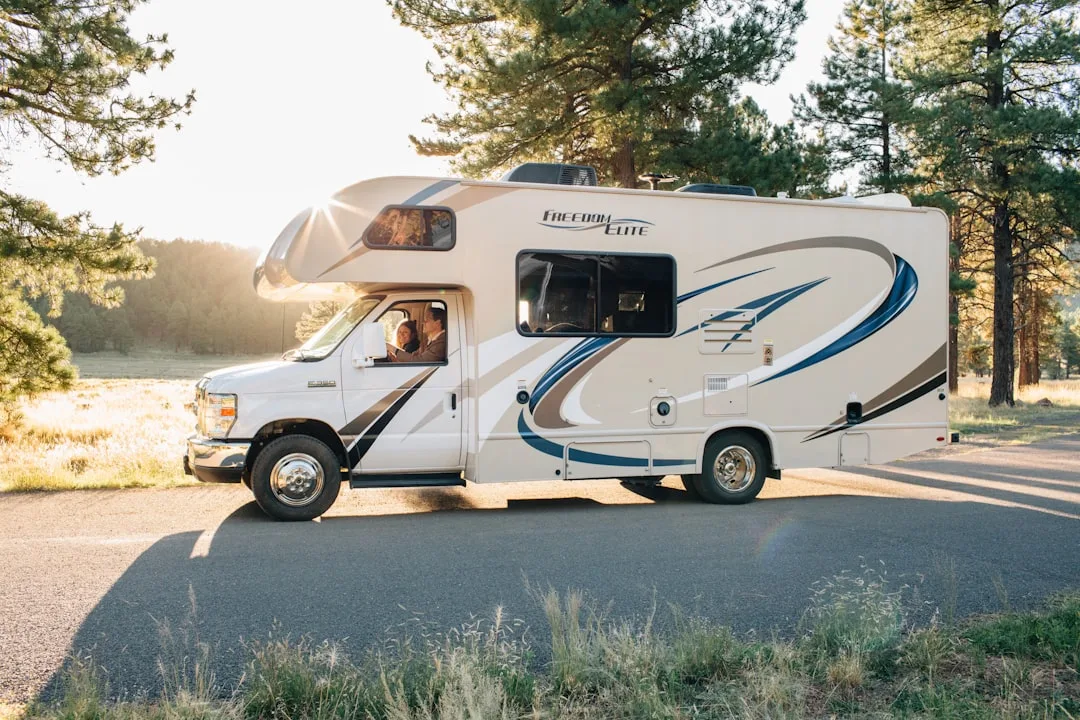
Photo by Unsplash
The idea is appealing: drive the big motorhome to the campground, then unhitch a small car to run into town. In private RV ownership this is common — it is called “dinghy” or “flat” towing. For renters, it is a different story, and the first rule is simple: check the rental contract before you assume it is allowed. Most rental companies and peer-to-peer owners do not permit towing a vehicle behind their motorhome at all.
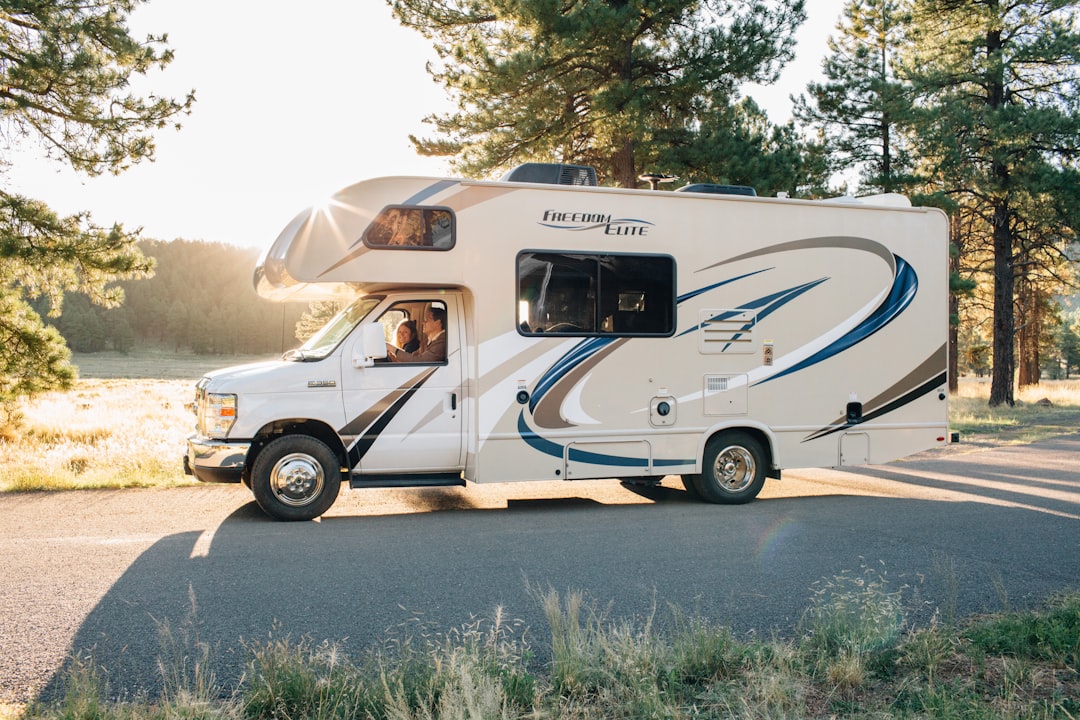
Photo by Unsplash
Why Rentals Usually Say No
- Liability and wear: the owner is responsible for the hitch, frame, and transmission of a rig not built for towing.
- Insurance: a towed vehicle behind a rental is usually outside the rental’s coverage.
- Abuse risk: renters over-tax the drivetrain or exceed the hitch rating without realizing it.
If the listing or contract is silent, treat towing as not allowed and ask in writing. An unauthorized tow can void your insurance and leave you liable for damage.
If the Contract Allows It
Some fleets and owners permit flat towing with the right equipment. “Flat towing” means all four wheels on the ground, behind a motorhome, using a tow bar. You need:
| Component | Why it matters |
|---|---|
| Baseplate on the towed car | Connects the tow bar to the vehicle frame |
| Tow bar | Links the RV to the car |
| Safety cables | Backstop if the bar fails |
| Supplemental braking system | Slows the dinghy; required in many states |
| Flat-towable vehicle | Manual-transmission cars, or specific automatics rated for flat towing |
| Working lights on the dinghy | Brake/turn signals must reach the car |
Vehicles and Limits
- Not every car can be flat towed. Many automatic transmissions must not be towed with wheels down; doing so can damage the transmission. The owner’s manual states whether a vehicle is flat-towable.
- The combined length matters for campsites and turns — a motorhome plus a dinghy can exceed 45–50 feet.
- The motorhome’s hitch and GCWR (see RV weight basics) must cover the dinghy’s weight.
Practical Alternative for Renters
Because towing is usually off the table, renters who want a runabout at camp have better options:
- Rent a smaller rig (Class B van) you can park and use daily.
- Use the RV for camp, rent a car at the destination for day trips.
- Bring bikes for short hops — many rentals carry them.
- Rely on the rig itself for in-town errands if it fits parking.
FAQ
Q: Can I tow my own car behind a rental RV? A: Usually no. Most rental contracts and peer-to-peer owners prohibit towing a vehicle behind their motorhome. Ask in writing before assuming it is allowed.
Q: What is dinghy towing? A: Flat towing a car behind a motorhome with all four wheels on the ground, using a tow bar and safety cables. It requires a flat-towable vehicle and the right equipment.
Q: Why won’t the rental company allow it? A: Liability, wear on the hitch and drivetrain, and insurance gaps. Owners protect their rigs by forbidding unauthorized towing.
Q: Is a towed car required to have brakes? A: In many U.S. states, a dinghy over a set weight must have a supplemental braking system. Requirements vary, so check the states on your route.
Q: What’s the easiest alternative to towing? A: Rent a smaller, easy-to-park rig, or use bikes and a rented car at your destination for day trips instead of towing your own vehicle.