How to Book an RV Campsite: Step-by-Step Guide
A step-by-step guide to booking your first RV campsite, including reservation systems, site selection, hookup choices, and cancellation tips.
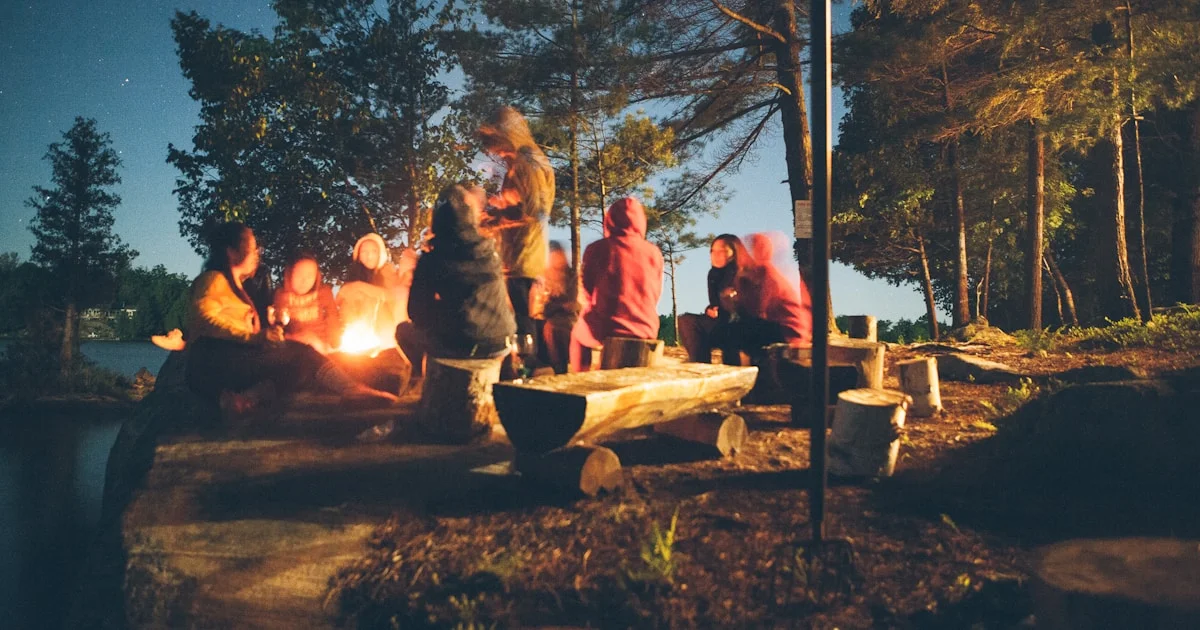
Photo by Oleksandr P on Unsplash
Booking your first campsite is a milestone. It means your RV trip is becoming real. But it can also be confusing. Campground websites, reservation windows, and site details vary widely, and a mistake can leave you with a site that is too small, too sloped, or missing the hookups you expected.
This step-by-step guide walks you through the process from start to finish. Whether you are reserving a spot at a national park or a private RV resort, these steps will help you book with confidence.

Photo by Oleksandr P on Unsplash
Step 1: Know Your RV Details
Before you search for campsites, gather the key facts about your RV:
- Total length including hitch, bumpers, and ladders
- Total height including air conditioner and antennas
- Width with slides extended
- Required hookups: 30-amp or 50-amp electric
- Number of slide-outs
Many first-time renters forget to include the hitch or ladder when measuring length. A few extra feet can make the difference between fitting in a site and hanging into the road.
Write these numbers on a sticky note and keep them visible while booking. You will need them for almost every reservation form. Some campgrounds also ask for the number of slide-outs because slides affect how much side clearance you need.
Step 2: Choose the Right Reservation System
Different campgrounds use different booking platforms:
- Recreation.gov for most U.S. national parks and many national forests
- ReserveAmerica.com for many state parks
- KOA.com for Kampgrounds of America locations
- Hipcamp.com for private land and unique camping options
- Campground websites directly for independent RV parks
Create accounts on the systems you plan to use. Some popular campgrounds open reservations months in advance, and having an account ready saves time.
Each platform has its own interface, but the basics are similar. You select dates, filter for RV sites, and choose a specific site based on photos and descriptions. Some platforms show site photos, which is extremely helpful for visualizing whether your RV will fit.
Step 3: Search by Date and Location
Enter your arrival and departure dates, then filter by RV-friendly sites. Pay attention to:
- Maximum RV length
- Hookup type
- Site surface: paved, gravel, or grass
- Pull-through vs. back-in access
- Pets allowed
- Proximity to bathrooms, showers, or camp host
Pull-through sites are easiest for beginners because you do not have to back the RV into the spot.
Step 4: Read Site Descriptions Carefully
A campsite listing can look perfect in photos but be sloped, narrow, or under low branches. Read the site description and recent reviews. Look for comments about:
- Levelness of the site
- Distance between sites
- Noise levels
- Cell service quality
- Shade and sun exposure
Step 5: Check Cancellation Policies
Life happens. Make sure you understand the cancellation and refund policy before you pay. Some campgrounds offer full refunds up to 48 hours before arrival, while others keep the first night’s fee.
Step 6: Complete the Booking
Enter your RV length and any special requests. Some campgrounds ask for the type of hookups you need. Pay with a credit card and save your confirmation email. Screenshot the reservation details in case you lose cell service on arrival day.
Step 7: Plan Your Arrival Time
Most campgrounds have check-in times between 1:00 PM and 4:00 PM. Try to arrive during daylight, especially for your first trip. Setting up in the dark adds unnecessary stress.
Understanding Hookup Types Before You Book
One of the most important decisions when booking is choosing your hookup type. A full hookup site provides electric, water, and sewer connections. A partial hookup site usually offers electric and water only. A dry site offers no hookups at all.
For your first trip, a full hookup site removes several learning curves at once. You can run the air conditioner, take normal showers, and empty your tanks without visiting a dump station. As you gain experience, partial hookups and dry camping become easier to manage.
If you are unsure which hookup type fits your trip, read our guide on full hookup vs partial hookup vs dry camping before you reserve.

Photo by Tobi on Unsplash
How to Read Campground Reviews Like a Pro
Reviews are one of the best tools for judging a campsite, but not all reviews are equally useful. Look for recent reviews from people traveling in RVs similar to yours. A tent camper’s opinion about site privacy may differ from what matters to someone parking a 30-foot motorhome.
Pay attention to repeated complaints. If multiple reviewers mention narrow roads, unlevel sites, or noisy neighbors, those issues are probably real. Also look for comments about the helpfulness of staff. A friendly camp host can make a huge difference for a first-time renter who arrives with questions.
Positive reviews that mention specific site numbers are especially valuable. If several RVers recommend site 47 for its level pad and afternoon shade, it may be worth requesting that site when you book.
Booking Strategies for Popular Destinations
National park campgrounds are some of the most sought-after RV sites in the country. Reservations at places like Yellowstone, Yosemite, and Glacier open months in advance and often sell out within minutes. Set a calendar reminder for the reservation opening date and be ready to book the moment sites become available.
If you miss the initial reservation window, check for cancellations regularly. Many people cancel as their travel dates approach, and those sites become available again. Some parks also hold a small number of first-come, first-served sites for spontaneous travelers.
For less competitive destinations, booking two to eight weeks ahead is usually enough. Midweek arrivals and shoulder-season travel generally offer more choices and lower rates than summer weekends.
What to Do When You Arrive at the Campground
When you pull into the campground, stop at the office or check-in area. Have your confirmation number, ID, and credit card ready. The staff will usually provide a map, your site number, and any rules about quiet hours, pet areas, or trash disposal.
Before driving to your site, take a moment to review the map. Note the location of the dumpsters, bathrooms, laundry, and dump station. If the campground offers an escort to your site, accept it. An escort can help you navigate tight turns and identify the exact boundaries of your spot.

Photo by Photoholgic on Unsplash
Handling Booking Problems and Cancellations
Sometimes plans change, or a reservation does not go as expected. If you need to cancel, do it as early as possible to maximize your refund. Most platforms and campgrounds allow online cancellations, but some require a phone call.
If you arrive and find that your site is unacceptable, speak with the office immediately. A sloped pad, low branches, or incorrect hookups can sometimes be resolved by moving to a different site. Be polite but clear about what you need.
Always keep a copy of your confirmation and any communication with the campground. These records protect you if there is a dispute about charges or availability.
Preparing for Arrival Day
Once your reservation is confirmed, prepare for a smooth arrival. Save the campground address and phone number in your phone. Download offline maps in case you lose signal. Check the weather so you know whether to expect rain, wind, or extreme temperatures.
If you are arriving on a Friday or holiday weekend, expect a busy check-in line. Have your confirmation number ready and know your site number. Some campgrounds allow early check-in for a small fee, which can be worth it for beginners who want extra setup time.
When you reach your site, take a moment to look around before pulling in. Check for low branches, soft ground, and the location of the power pedestal and water spigot. If the site looks wrong, contact the office immediately rather than trying to make it work.
Booking National Park Campgrounds
National park campgrounds are some of the most sought-after RV sites in the country. Reservations at places like Yellowstone, Yosemite, and Glacier open months in advance and often sell out within minutes.
If you miss the reservation window, check for cancellations regularly. Many people cancel as their travel dates approach, and those sites become available again. Some parks also hold a small number of first-come, first-served sites for spontaneous travelers.
Beginner Campsite Booking Checklist
Use this checklist every time you book:
- Confirm RV length, height, and width
- Choose sites that match your hookup needs
- Verify maximum site length
- Prefer pull-through sites as a beginner
- Read recent reviews for levelness and noise
- Check cancellation and refund policy
- Save confirmation and reservation number
- Plan to arrive during daylight hours
- Have the campground phone number saved
Common Beginner Mistakes
- Booking a tent-only site: These sites do not accommodate RVs.
- Ignoring the maximum length: A 35-foot RV will not fit in a 25-foot site.
- Forgetting about slide-outs: You need room on at least one side to extend slides.
- Arriving after dark: Setup is much harder without daylight.
- Not checking for low branches: Tall RVs can be damaged by overhanging limbs.
If you are new to hookups, read our guide on full hookup vs partial hookup vs dry camping before booking. For destination inspiration, see our 3-day Yellowstone RV itinerary for beginners.
Booking for Groups and Events
If you are traveling with multiple RVs, look for group sites or request adjacent sites when booking. Some campgrounds allow you to note a request for neighboring sites, though they cannot always guarantee it. Booking early increases your chances of staying together.
For special events like music festivals, rallies, or sports tournaments, campgrounds sometimes offer event packages. These can include shuttle service, extended stay discounts, or reserved group areas. Always read the cancellation terms for event bookings, as they are often stricter than standard reservations.
FAQ
Conclusion
Booking an RV campsite gets easier with practice. Start by knowing your RV dimensions, use the right reservation platform, read site descriptions carefully, and always save your confirmation. A well-chosen campsite sets the tone for your entire trip.
Disclaimer: This guide offers general beginner educational information only. Complex RV mechanical maintenance, repairs and safety adjustments should be completed by certified RV professionals. Always follow your RV rental company and vehicle manufacturer instructions.
Quick answers