Do You Need Special Insurance When Renting an RV?

Learn whether you need special insurance when renting an RV, what rental coverage includes, and how to protect yourself on your first trip.

Do You Need Special Insurance When Renting an RV?

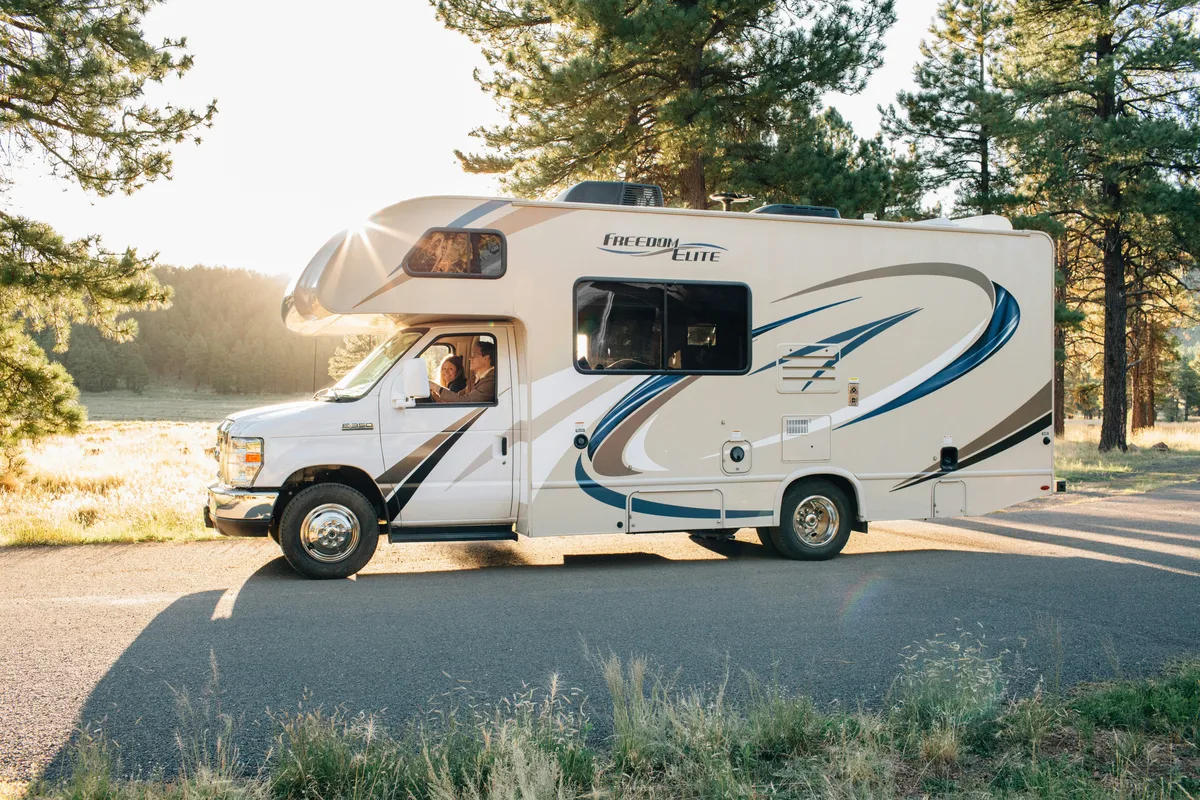
Photo by Erol Ahmed on Unsplash

Insurance is one of the least exciting parts of renting an RV, but it is also one of the most important. A single scratch, broken appliance, or fender bender can turn a fun vacation into an expensive headache if you are not properly covered. Understanding your options before you book helps you make a smart decision and avoid panic at the rental counter.

This guide explains whether you need special insurance for an RV rental, what the options typically cover, and how to choose the right level of protection for your first trip.

Open highway road trip with RV heading toward distant mountains

Photo by Erol Ahmed on Unsplash

Why RV Rental Insurance Matters

An RV is not a car. It is a large vehicle that also functions as a living space. That means the risks are different. You could damage the exterior while backing into a campsite, break an interior fixture while driving, or face liability if someone is injured near your rental.

Standard car insurance policies usually do not cover these situations. Even if your policy has some rental car coverage, it may exclude vehicles over a certain weight or length. The only way to know for sure is to call your insurance company and ask specifically about RV rentals.

What Rental Platforms Usually Offer

Most peer-to-peer rental platforms and dealerships offer insurance as part of the booking process. These plans usually come in tiers:

  • Basic coverage: lower daily cost, high deductible, limited protection
  • Standard coverage: moderate cost and deductible, broader protection
  • Premium coverage: higher daily cost, low deductible, maximum protection

Each tier covers different things. Common coverage areas include collision damage, liability, medical payments, and sometimes roadside assistance. Always read the details rather than choosing based on price alone.

What Your Personal Auto Policy Might Cover

Some personal auto insurance policies extend liability coverage to rental vehicles, but many exclude RVs. Even when coverage exists, it may not cover the full value of a large motorhome or damage to the living area inside.

Call your insurance agent before your trip. Ask specifically:

  • Does my policy cover RV rentals?
  • What is the maximum vehicle weight or length covered?
  • Does liability coverage extend to the rental?
  • Is interior damage covered?
  • Is roadside assistance included?

If your policy does cover RVs, ask for written confirmation. You may need to provide this to the rental platform.

Credit Card Coverage Limitations

Some credit cards offer rental car insurance if you pay for the rental with the card. However, this coverage often excludes RVs, motorhomes, and vehicles over a certain weight. It also rarely covers liability or interior damage.

Check your credit card benefits guide or call the number on the back of your card. If RVs are excluded, do not rely on this coverage. Purchase a plan through the rental platform or a third-party insurer instead.

What Is Typically Excluded

Every insurance policy has exclusions. Common ones include:

  • Damage caused by off-road driving
  • Interior damage from pets or smoking
  • Theft of personal belongings
  • Damage caused by unapproved drivers
  • Mechanical failures not related to an accident
  • Damage from driving under the influence

Read the exclusions section carefully. Knowing what is not covered helps you avoid costly mistakes.

Understanding Deductibles

A deductible is the amount you pay out of pocket before insurance covers the rest. A higher deductible means lower daily insurance cost but more risk if something happens. A lower deductible means higher daily cost but less surprise expense.

For a first-time renter, a lower deductible can be worth the extra daily cost. You are more likely to make small mistakes, and the peace of mind often outweighs the savings.

Liability Coverage Explained

Liability coverage pays for damage or injuries you cause to others. This is separate from collision coverage, which pays for damage to the RV itself. Most rental platforms require at least minimum liability coverage.

Consider whether the included liability limits are enough for your situation. If you are driving a large RV through busy areas or staying in crowded campgrounds, higher liability limits may be wise.

Rental Platform Insurance vs. Owner Insurance

On peer-to-peer rental platforms, insurance can come from the platform, the owner, or a combination of both. Platform insurance usually handles damage during the rental period, while the owner may carry a separate policy for when the RV is not rented.

Make sure you understand who handles claims if something happens. Some platforms require you to pay for damage first and then seek reimbursement. Others handle the claim directly with their insurer. Knowing the process in advance reduces stress if you need to file a claim.

Roadside Assistance and Trip Protection

Some insurance plans include roadside assistance, which can be valuable for first-time renters. RVs require specialized towing, and a standard auto club membership may not cover the size of your rental.

Trip protection is another optional add-on. It may reimburse you for non-refundable costs if you have to cancel due to illness, weather, or other covered reasons. This is worth considering for expensive trips booked far in advance.

RV campsite at sunset with mountain views in the background

Photo by Roberto Nickson on Unsplash

How to Choose the Right Coverage Level

The right coverage depends on your budget, experience, and risk tolerance. Here are some general guidelines:

  • Choose basic coverage only if you have confirmed outside insurance and can afford the high deductible.
  • Choose standard coverage for most first-time renters with a manageable deductible.
  • Choose premium coverage if you want maximum protection and minimal out-of-pocket risk.

Think about the total value of the RV, the complexity of your route, and how many drivers will be behind the wheel.

Documenting the RV Condition

Insurance claims go much smoother when you have documentation. At pickup, take photos and video of every scratch, dent, and stain. Note any pre-existing damage on the rental form and make sure the owner or dealership signs off on it.

At return, document the condition again. If a dispute arises, your photos and videos are your best evidence.

What to Do If You Have an Accident

If you are involved in an accident, follow the same steps you would with any vehicle. Make sure everyone is safe, call emergency services if needed, and exchange information with other parties. Then contact the rental platform or owner as soon as possible.

Take photos of the damage, the scene, and any relevant road conditions. File a police report if required. Follow the rental company’s instructions for insurance claims and repairs.

Third-Party RV Rental Insurance Options

Besides the rental platform, several third-party companies specialize in RV rental insurance. These policies may offer different coverage limits, lower deductibles, or broader protection than the platform’s default plans.

Third-party insurance can be a good choice if you rent RVs frequently or want coverage that follows you across multiple rental platforms. Compare the cost and coverage carefully, and make sure the policy is valid for the specific RV you are renting.

When Insurance Claims Are Denied

Claims can be denied for several reasons. The most common are violating the rental agreement, driving on prohibited roads, failing to report damage promptly, or allowing an unlisted driver to operate the RV.

If your claim is denied, review the denial letter carefully and gather any supporting evidence. Photos, police reports, and written communication with the owner can help you appeal. Understanding the rules before you drive is the best way to avoid a denial.

Common Insurance Mistakes Beginners Make

  • Assuming car insurance covers everything: Most policies do not extend to RV rentals.
  • Choosing the cheapest plan: A high deductible can cost you thousands after a small accident.
  • Ignoring exclusions: Off-road driving and pet damage are commonly excluded.
  • Failing to document pre-existing damage: You could be blamed for damage you did not cause.
  • Letting an unapproved driver operate the RV: Insurance may not cover accidents caused by drivers not listed on the rental agreement.

For more on the overall rental process, see our complete beginner checklist for renting an RV. To understand all the fees that come with a rental, read our guide on common RV rental fees. You can also learn how to avoid the top mistakes first-time RV renters make.

RV Rental Insurance Checklist

Use this checklist when booking insurance:

  • Confirm whether your personal auto policy covers RV rentals
  • Check your credit card benefits for RV exclusions
  • Compare coverage tiers from the rental platform
  • Read the deductible and exclusions carefully
  • Verify liability coverage limits
  • Ask whether roadside assistance is included
  • Document the RV condition at pickup and return
  • Confirm all drivers are listed on the rental agreement

FAQ

Conclusion

RV rental insurance is not something to ignore or rush. Take time to understand what your existing policies cover, compare the rental platform’s options, and choose a deductible you can afford. The right coverage protects your finances and lets you focus on enjoying the adventure.

For first-time renters, the peace of mind that comes with comprehensive coverage is usually worth the extra daily cost. A small investment in insurance can prevent a large unexpected expense and keep your first RV trip a positive memory.

Disclaimer: This guide offers general beginner educational information only. Complex RV mechanical maintenance, repairs and safety adjustments should be completed by certified RV professionals. Always follow your RV rental company and vehicle manufacturer instructions.

Quick answers

Frequently Asked Questions

Does my car insurance cover an RV rental?
Most personal auto insurance policies do not extend to RV rentals. Check with your provider before assuming you are covered.
What does RV rental insurance typically cover?
Rental insurance usually covers collision damage, liability, and sometimes roadside assistance. Coverage limits and deductibles vary by plan.
Is RV rental insurance mandatory?
Most rental platforms require at least basic coverage. Some allow you to provide proof of coverage from a third-party insurer.
What is a typical deductible for RV rental insurance?
Deductibles commonly range from $500 to $2,500 depending on the coverage tier you choose.
Does rental insurance cover damage to the inside of the RV?
Some plans cover interior damage, while others only cover collision. Read the policy details carefully before booking.