Can You Bring Pets in a Rented RV? Rules and Preparation Checklist
Planning your first RV trip? Learn pet policies, prep steps and campground rules with beginner-friendly tips, common mistakes and practical checklists.
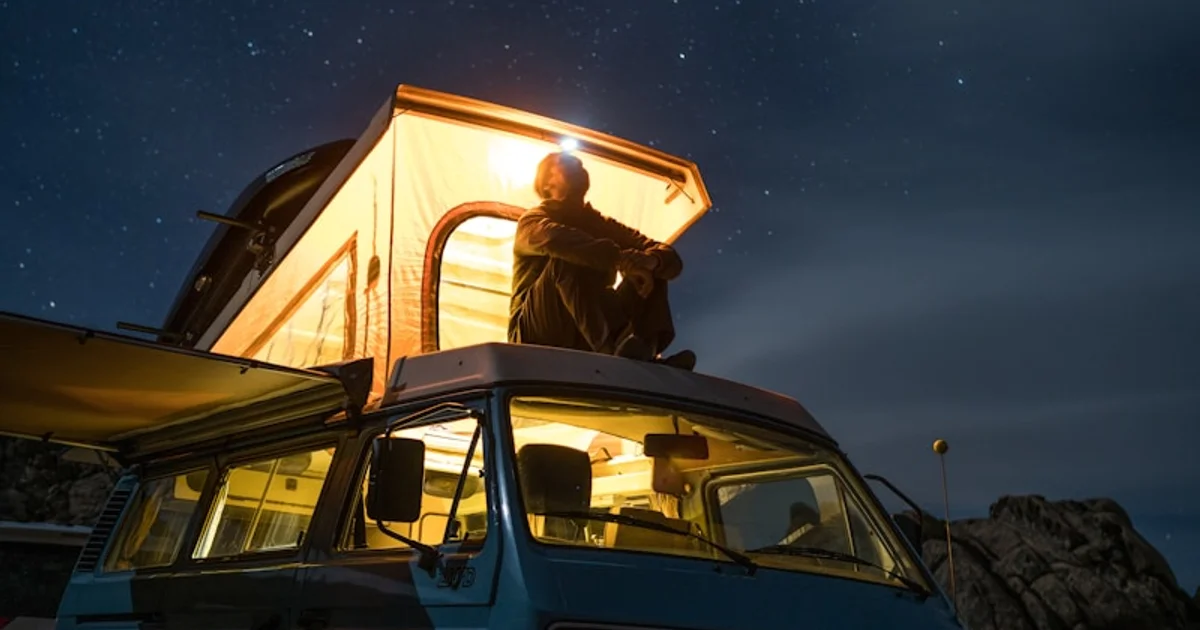
Photo by Joshua Woroniecki on Unsplash
Bringing a pet along can turn a good RV trip into an unforgettable one, but first-time renters often wonder whether pets in rented RV setups are even allowed. The short answer is usually yes, but the rules vary dramatically between rental companies, private owners, and individual campgrounds. Skipping the verification step is one of the fastest ways to lose a booking or face surprise fees at pickup.
This guide walks through everything you need to know before buckling up your dog or cat. You will learn how pet policies work across major rental platforms, what questions to ask owners, how to prepare your pet for life on the road, and which supplies make travel smoother. We also cover common mistakes that lead to damaged interiors, stressed animals, and unexpected cleaning charges, plus a printable checklist you can run through before departure.

Photo by Joshua Woroniecki on Unsplash
Understanding Pet Policies Across RV Rental Platforms
Pet rules are set by the owner, not always the platform, which means two identical motorhomes listed on the same site can have completely different policies. Reading the listing carefully is the only way to know for sure.
Owner-Set Rules vs Platform Defaults
Most peer-to-peer platforms let individual owners decide whether to allow pets, how many, and what size. A default “pets allowed” filter does not guarantee every rig in your area will welcome your dog. Some owners charge a non-refundable pet fee, others require a refundable deposit, and a few ask for proof of vaccinations before pickup.
Commercial fleets like Cruise America and El Monte typically have standardized pet policies, often with a flat per-pet fee. These are easier to plan around but still come with breed and weight restrictions. Always screenshot or save the policy in writing so you have proof if disputes arise at return.
Questions to Ask Before You Book
- How many pets are allowed, and is there a weight limit per animal?
- Is there a pet fee, deposit, or additional cleaning charge?
- Are certain breeds, exotic pets, or cats excluded?
- Are pets allowed on furniture, and are pet covers provided?
- What happens if the RV is returned with pet hair, odors, or damage?
Getting answers in writing protects you and your security deposit. If an owner is vague or unwilling to confirm details, that is usually a sign to keep looking.
Preparing Your Pet for RV Travel
Even a well-behaved house pet can find an RV overwhelming at first. Movement, new smells, and tight quarters all add up, so preparation should start before your trip, not on day one.
Vet Visits and Health Records
Schedule a checkup within 30 days of departure. Ask your vet about motion sickness medication, anxiety aids, and any region-specific risks like heartworm or tick-borne disease at your destinations. Carry printed vaccination records and a health certificate if you are crossing state or provincial borders, because some campgrounds ask for proof at check-in.
Make sure microchip information is current and your pet wears a collar with a phone number that will be reachable while you travel. A temporary tag with your campsite number is a smart backup for stays longer than a few nights.
Acclimating Your Pet to the RV
If possible, let your pet explore the RV while it is parked at home. Offer treats inside, feed a meal or two in the rig, and take short test drives to gauge motion sickness. This is also when you will spot problems early, such as a dog that paces constantly or a cat that refuses to use a litter box in a moving vehicle.
Packing the Right Pet Supplies for an RV Trip
Space is limited in a rented RV, so pack deliberately. A focused kit beats a sprawling pile of “just in case” items. For a complete household packing list, see our essential RV gear checklist.
Must-Have Pet Gear
- Travel carrier or harness sized for your pet and crash-tested if possible
- Collapsible food and water bowls that store flat
- Pre-portioned food in sealed containers for the entire trip, plus a few extra days
- Bottled water from home to avoid stomach upset from unfamiliar sources
- Waste bags and a small sealed trash bin for used bags
- Pet first aid kit including tweezers, bandages, antiseptic wipes, and any prescription medications
- Familiar bedding and a favorite toy to reduce anxiety
- Cooling mat or reflective shade for warm-weather trips
- Towels and pet-safe wipes for muddy paws before they hit the RV steps
Optional but Useful Additions
A portable exercise pen gives your pet safe outdoor time without risking a dash into a busy campground road. A battery-powered clip-on fan keeps air moving on warm nights when the RV is parked, and a portable lint roller or pet hair remover will save you at checkout. Use our RV packing checklist tool to make sure pet gear slots in alongside your other essentials.
Campground Pet Etiquette and Rules
Even when your rental allows pets, every campground has its own pet rules. National park campgrounds tend to be the strictest, often requiring pets to be leashed at all times and prohibiting them from trails and buildings. Private RV parks are usually more flexible but may limit the number of pets per site or ban certain breeds.
Always leash your pet, even at pet-friendly parks, and never leave waste behind. Many campgrounds provide pet stations with bags and trash cans, but bring your own supply as backup. Keep pets off other campers’ sites and quiet during evening hours to avoid complaints.
When you arrive, take a few minutes to follow our RV campsite setup checklist so your pet’s area is safe and clearly defined before letting them out of the RV.
Keeping Your Pet Safe While Driving and Parked
Driving with a pet loose in a motorhome is dangerous for both of you. Sudden stops can send an unrestrained pet flying, and a distracted driver is a serious hazard on winding roads.
Restraint Options
For dogs, a crash-tested harness attached to a seatbelt or a secured travel crate works best. Cats should always travel in a carrier, ideally one covered with a light towel to reduce visual stimuli. Avoid letting pets ride in the cab overhead bunk or on the dashboard, where sudden braking can cause injuries.
Temperature Management
RVs heat up faster than you might think. A 75-degree day can push the interior above 100 degrees within 20 minutes, even with windows cracked. Never leave a pet alone in a closed RV in warm weather. If you must step away, use a temperature monitor with a phone alert, run the air conditioning on shore power, and keep stays short. In cold weather, provide insulated bedding and check that furnace vents are not blocked.
Common Beginner Mistakes
- Assuming all rentals allow pets without verifying the policy in writing
- Skipping the vet visit and forgetting motion sickness medication for a pet that needs it
- Leaving pets unattended in warm or closed RVs, which can become dangerous quickly
- Failing to document existing pet hair or damage at pickup, leading to unfair cleaning charges
- Underpacking waste supplies and running out at a campground with no pet station
- Letting pets roam off-leash because the park seemed quiet, risking wildlife encounters or lost animals
Pet Preparation Checklist
Use this checklist before you drive off the rental lot with your pet on board:
- Pet policy confirmed in writing with the owner or rental company
- Vaccination records and health certificate printed and stored in the RV
- Vet checkup completed within 30 days of departure
- Microchip information updated with current phone number
- Crash-tested harness or carrier ready and sized correctly
- Food pre-portioned for the full trip plus a few extra days
- Water from home or bottled water packed for the first few days
- Collapsible bowls, waste bags, and pet first aid kit packed
- Familiar bedding and a comfort toy in the RV
- Cooling mat, shade, or insulated bedding depending on the season
- Campground pet rules reviewed for every stop on the route
- Photos of the RV interior taken at pickup to document pre-existing conditions
Budgeting for Pet Fees and Unexpected Costs
Pet-related costs can add up quickly if you are not prepared. Expect a pet fee of $50 to $250 from many rental companies, plus a possible refundable deposit held against damage. Add the cost of a new travel carrier if you do not already own one, plus a portable exercise pen for longer stays.
Campground pet fees are usually small, ranging from $2 to $5 per night at private parks, but they stack up over a week-long trip. Set aside a buffer for veterinary emergencies, because finding an unfamiliar clinic on the road is stressful enough without worrying about the bill.
Conclusion
Traveling with a pet in a rented RV is entirely possible when you do the homework upfront. Confirm the policy in writing, prepare your pet with a vet visit and short test drives, and pack a focused kit that covers food, safety, and cleanup. Treat each campground as its own rulebook, keep your pet restrained while driving, and never underestimate how fast an RV can heat up. With the right preparation, your dog or cat can become the best road-trip companion you have ever had. For more help organizing the rest of your trip, explore our RV packing checklist tool and RV campsite setup checklist to round out your planning.
Disclaimer: This guide offers general beginner educational information only. Complex RV mechanical maintenance, repairs and safety adjustments should be completed by certified RV professionals. Always follow your RV rental company and vehicle manufacturer instructions.
Quick answers