How to Use RV Propane for New Renters (Step-by-Step No Experience)
New to RV rentals? Learn how to use RV propane safely and confidently with this step-by-step beginner guide covering tank types, leak detection, and appliance operation.
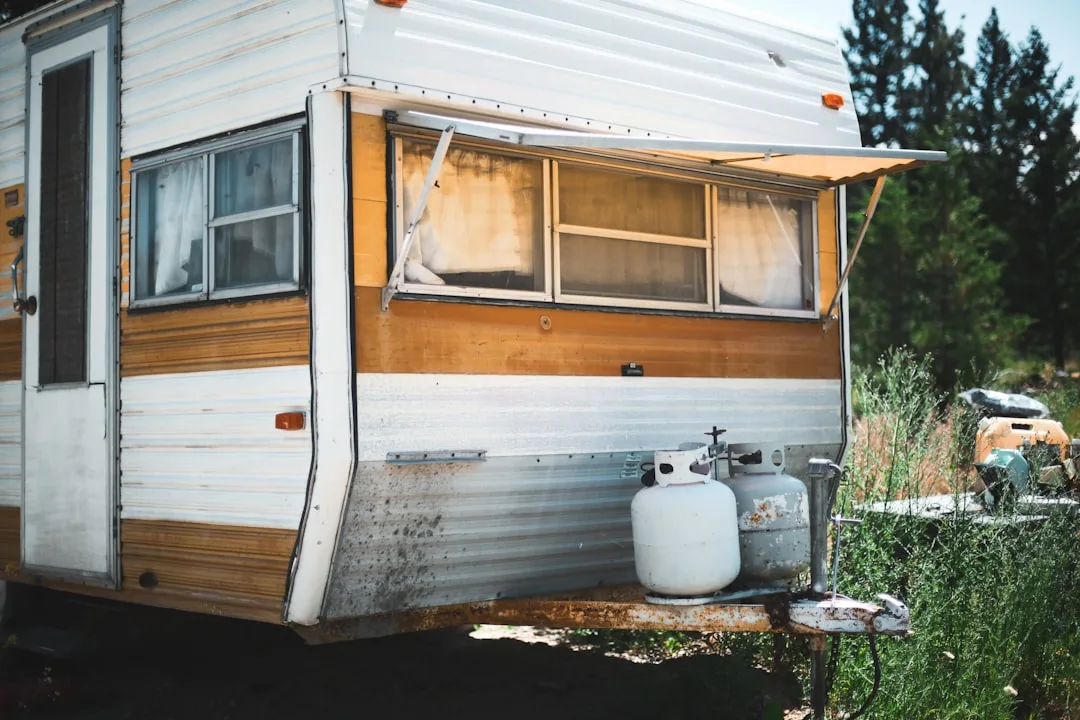
Photo by Unsplash
Propane runs the systems that make an RV livable: furnace, water heater, refrigerator (when off electric), and cooktop. For a new renter, “gas” sounds intimidating—but using RV propane is straightforward once you know what it powers, how to check the level, and the safety rules. No mechanical background required.
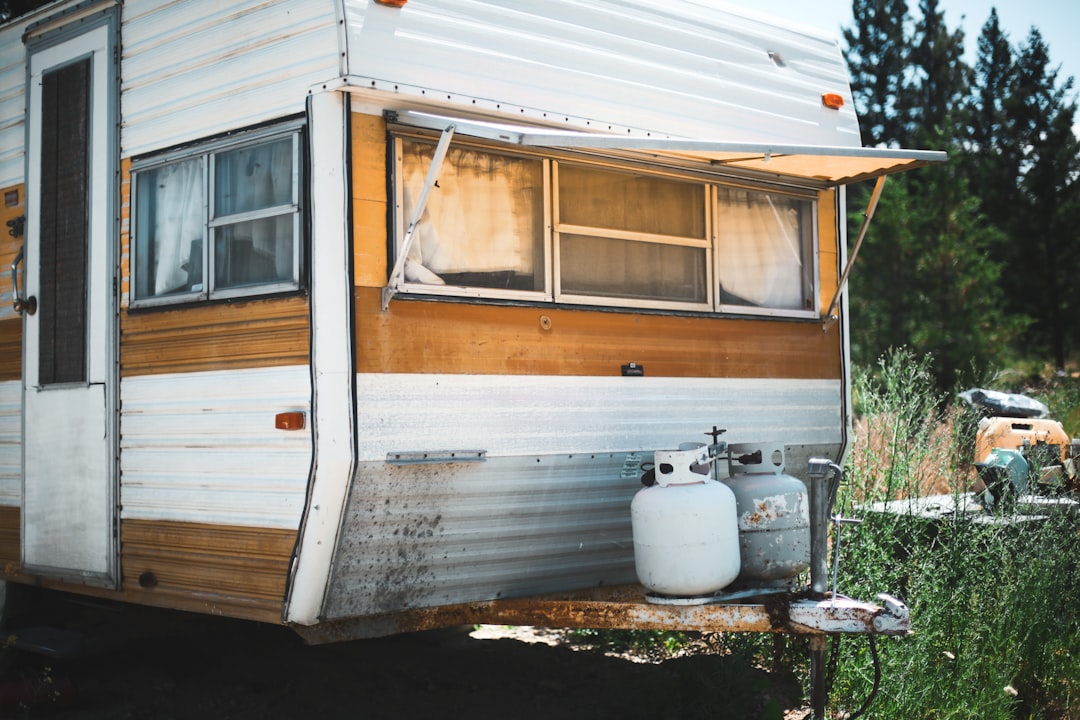
Photo by Unsplash
What Propane Powers
Most rented motorhomes and travel trailers use propane (LP gas) for:
- Furnace — heats the cabin
- Water heater — hot showers and dishes
- Refrigerator — when you’re not plugged into electric
- Cooktop — most stovetops are propane
Smaller camper vans may use it only for the cooktop and a space heater. Your rental walkthrough will confirm which systems run on propane in your specific rig.
Step 1: Check the Level
- Portable cylinders: pour warm water down the tank side; the cold line where the metal cools marks the level.
- Fixed (ASME) tanks: read the dashboard monitor panel inside the rig.
- Gauges: some tanks have a built-in gauge at the valve.
A 20-lb cylinder lasts a few days of moderate furnace and cooking use; cold weather burns through it faster.
Step 2: Turn It On
- At the tank valve, turn the handwheel counterclockwise slowly—one to two full turns is enough; don’t force it open wide.
- Wait a few seconds for the line to pressurize.
- Light the appliance (match or electronic igniter per the rental’s instructions).
- When done for a while (especially overnight or driving), turn the valve off at the tank.
Step 3: Run Appliances Safely
- Light the furnace and water heater per the walkthrough; give them a minute to ignite.
- For the fridge on propane, switch the mode at the control panel and let it cool down gradually—don’t expect instant cold.
- Never use the cooktop or oven as a space heater, and never leave a lit burner unattended.
Safety Rules
- Smell test: propane is odorless; suppliers add a rotten-egg scent. If you smell it inside or near the RV, turn off the valve, open doors and windows, leave the rig, and call for help before re-entering.
- Detector: most rentals have a propane (LP) detector near the floor. Test it at pickup; never disable it.
- Ventilate: run propane appliances only with windows or vents open enough for combustion air.
- No open flames near the tank: including refueling—turn propane off while fueling a motorhome.
- Refills: swap or refill cylinders at propane dealers, U-Haul centers, and many RV/truck stops.
Common Mistakes
- Leaving the valve open while driving (turn it off).
- Ignoring the low level until the furnace quits on a cold night.
- Using the cooktop for heat (carbon monoxide risk).
- Forgetting to relight the fridge after switching from electric to propane.
FAQ
Q: Do I need propane for a weekend trip? A: Usually yes for heat, hot water, and cooking—unless you’re on full hookup with an electric water heater and induction cooktop. The walkthrough will clarify.
Q: How do I know if there’s a leak? A: The rotten-egg smell is the main sign. You can also brush soapy water on fittings; bubbles mean a leak. Turn off the valve and get it checked.
Q: Can I travel with the propane on? A: Most renters turn it off while driving. Some fridges run on propane while moving, but confirm the rental company’s policy.
Q: Where do I refill propane? A: Propane dealers, U-Haul centers, and many RV and truck stops refill or exchange cylinders.
Q: What if the furnace won’t light? A: Check the propane level and that the valve is open, confirm the detector isn’t alarming, and retry per the walkthrough. If it still fails, call the rental’s roadside line.
Propane is simple once you’ve done it once. Check the level daily, turn the valve off when you’re done, and respect the smell test—and the systems just work.
Before you load, check payload against the unit’s limits with our RV Weight & Payload Calculator.