Solo RV Travel Safety: Practical Tips for First-Time Renters
Planning your first solo RV trip? Learn route planning, campsite selection and emergency prep with beginner-friendly tips and practical checklists.
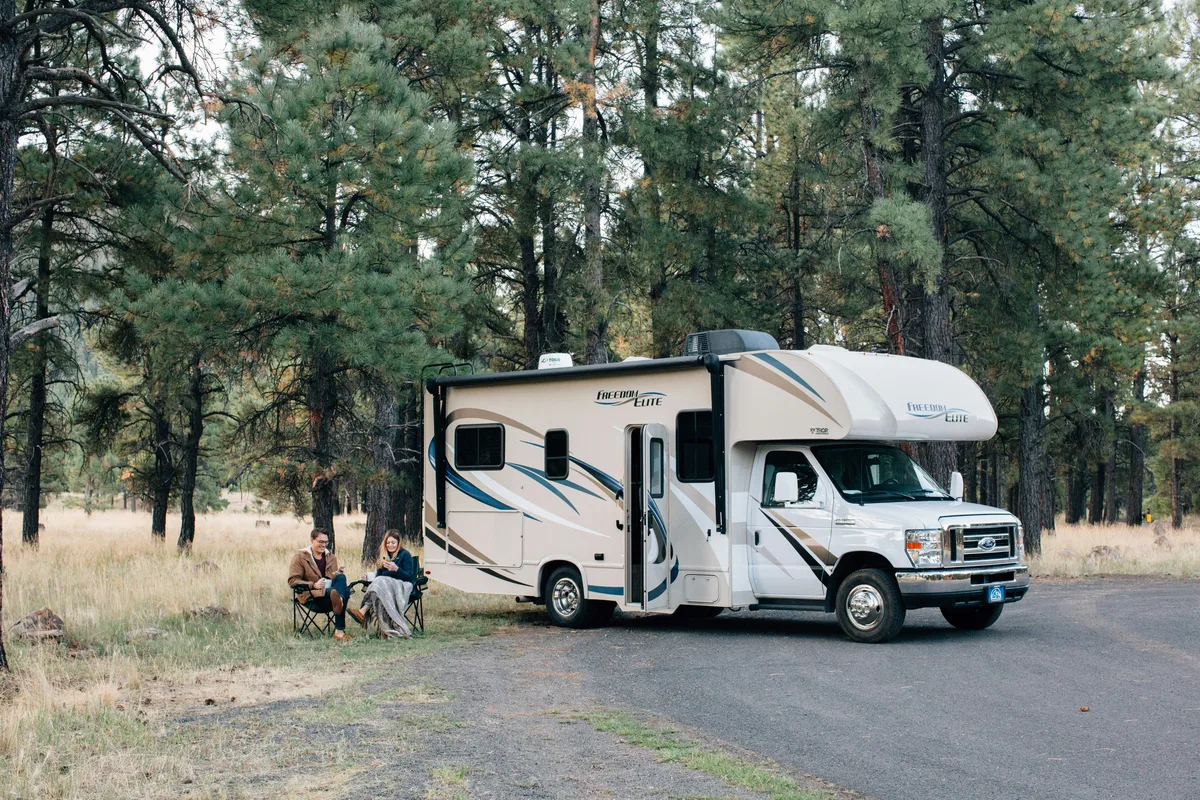
Photo by Hugo Sousa on Unsplash
Solo RV Travel Safety: Practical Tips for First-Time Renters
Traveling alone in a rented RV sounds freeing, and it is. But solo rv travel safety asks more of you than a typical road trip. There is no passenger to guide you into a tight campsite, no one to share night driving, and no second set of hands when a system acts up. For first-time renters, that learning curve can feel steep before you even pick up the keys.
This guide walks through what actually matters when you are the only adult on board. You will learn how to plan a route that keeps you out of trouble after dark, how to choose campsites that suit a single traveler, how to stay connected in areas with weak cell service, and how to handle common roadside hiccups without calling for help every time. We keep it practical. No fear-mongering, no gear hype, just the safety habits experienced solo RVers rely on trip after trip.
If you are still deciding whether RVing fits your travel style, the RV camping style quiz can help you weigh your options before you commit to a rental.
Why Solo RV Travel Safety Starts Before You Leave
Solo trips reward preparation. When something goes wrong at 9 p.m. in a quiet campground, the decisions you made a week earlier are the ones that carry you through. Before picking up your rental, build a loose structure for the trip: a route with realistic daily driving distances, campsites booked in advance for the first two nights, and a printed copy of key phone numbers in case your phone dies.
First-time renters often underestimate how long simple tasks take when you are the only one doing them. Leveling the rig, dumping tanks, finding a grocery store in an unfamiliar town, and even folding up the outdoor chairs all eat time. Build buffer into each day rather than packing the schedule tight. A relaxed pace is not laziness. It is a safety decision.
A few pre-trip habits pay off every time:
- Share your itinerary with someone at home and check in by a set time each day.
- Note the address of every overnight stop in your phone and on paper.
- Confirm your rental includes 24/7 roadside assistance and save the number.
- Photograph the RV at pickup from all angles to document pre-existing damage.
If you want a step-by-step on the rental process itself, our guide to renting an RV for the first time covers what to expect at pickup, what to inspect, and which questions to ask before you drive off the lot.
Planning a Route That Keeps You Safe
Route planning is where solo rv travel safety gets concrete. Aim for driving days under five hours. Fatigue is the biggest risk on a long solo drive, and an RV handles differently than a sedan. Longer stopping distances, wider turns, and more body roll all demand more attention. Breaking the trip into shorter legs also means you arrive at campgrounds in daylight, which makes backing in and hooking up far less stressful.
Avoid routing through remote stretches with no services if your fuel is low. RVs burn more fuel than you might expect, and running dry in an area with no cell signal turns a minor inconvenience into a real problem. Plan fuel stops at major intersections where stations are large enough for an RV to maneuver comfortably.
Consider these when plotting your route:
- Stick to main highways for your first solo trip. Save scenic back roads for later.
- Check low-clearance bridge restrictions if your rental is a tall Class C or Class A.
- Build in a rest day every three to four days to recharge.
- Note the location of large truck stops, which usually have room for RVs and clean facilities.
Choosing Campsites as a Solo RVer
Not every campground suits a single traveler. The best sites for solo rv travel safety are well-lit, near (but not directly next to) the bathhouse, and close enough to a host or ranger station that help is a short walk away. Back-in sites at the far edge of a park may be peaceful, but they also leave you most isolated if something goes wrong in the night.
When you book, look for campgrounds with on-site hosts, good reviews mentioning safety, and cell coverage that matches your carrier. State park campgrounds often strike a good balance between scenery and the presence of staff. Private RV parks tend to have better lighting, paved sites, and more amenities, which can ease first-time nerves.
A pull-through site costs a few dollars more but eliminates the stress of backing in alone. For a first solo trip, that trade is almost always worth it.

Photo by Hugo Sousa on Unsplash
Staying Connected in Low-Signal Areas
Cell service is your primary safety net on the road. Before you leave, download offline maps for your entire route and any areas you plan to explore. Google Maps, Apple Maps, and several RV-specific routing apps all offer offline options. Doing this at home, on wifi, takes five minutes and saves real stress later.
If your route crosses genuinely remote areas, consider a satellite messenger for the trip. These small devices let you send short check-in messages and trigger an SOS if you need rescue. They are not cheap, but a week-long rental is reasonable for a first solo trip through mountains, desert, or anywhere the map shows long gaps between towns.
A few connectivity habits help:
- Charge your phone while driving so it is full when you arrive at camp.
- Carry a 12V charger and a small power bank as backup.
- Text your daily check-in contact at the same time each evening.
- Know your carrier’s coverage map and where dead zones fall on your route.
Handling Common Roadside Situations
Solo does not mean helpless. Most issues first-time RVers hit are minor and manageable with a calm approach and the right information in your glovebox.
For a flat tire, pull fully off the road, turn on hazard lights, and call roadside assistance rather than changing it yourself on a busy shoulder. For a dead house battery, check whether your battery disconnect switch is on and whether shore power is firmly connected at the pedestal. For a system alarm you do not understand, note exactly what it says, then call the rental company’s after-hours line before guessing.
Keep a printed RV emergency checklist in the cab. It walks through what to check first for common alerts, who to call, and what information to have ready. Having that on paper means you are not scrolling through your phone while stressed, and it works even when your battery is dead.
Personal Security on the Road
Most RV travelers, solo or not, report feeling safer in campgrounds than in hotels. Still, a few habits make sense. Lock your cab doors at night and when you leave the RV. Keep valuables out of sight. If a neighboring camper makes you uncomfortable, trust that instinct and ask the camp host about moving sites. Hosts are used to these requests and rarely make it awkward.
At fuel stops and rest areas, park in well-lit spots near the building rather than at the far edge of the lot. If you stop for the night at a truck stop or Walmart (where allowed), choose a spot under a light pole and near other RVs. There is safety in numbers, even among strangers who are doing the same thing you are.
Avoid advertising that you are traveling alone. A casual “we” in conversation with strangers costs nothing and reveals less. If someone asks about your travel plans, keeping details vague is perfectly polite and keeps your itinerary private. Many solo RVers adopt this habit from day one and find it becomes second nature.
Common Beginner Mistakes
- Booking back-to-back long driving days and arriving exhausted after dark.
- Choosing isolated boondocking sites for a first solo trip.
- Skipping the pre-departure walk-around because no one is watching.
- Assuming cell service will be fine “most places.”
- Not testing the RV’s systems at pickup before leaving the lot.
- Forgetting to share an itinerary with someone at home.
Practical Checklist for Solo RV Travel
- Share itinerary and daily check-in plan with a contact at home.
- Save rental company roadside assistance number in phone and on paper.
- Download offline maps for the full route.
- Book pull-through sites for the first two nights.
- Carry a charged power bank and 12V charger.
- Print the RV emergency checklist and keep it in the cab.
- Plan driving days under five hours.
- Confirm fuel stops at RV-friendly stations along the route.
- Photograph the RV at pickup to document existing damage.
- Lock cab doors at night and at every stop.
Wrapping Up Your First Solo RV Trip
Solo rv travel safety is less about gear and more about habits. Plan short driving days, choose campsites with staff and lighting nearby, keep someone at home in the loop, and know what to do when a minor issue pops up. The first solo trip always feels like the hardest, and most RVers say the same thing after a few days on the road: the worry was bigger than the reality.
If you want a structured way to test your readiness before booking, try the RV emergency checklist and the RV camping style quiz. Both help you spot gaps while you still have time to fill them. A little preparation goes a long way when you are the only one behind the wheel.
Disclaimer: This guide offers general beginner educational information only. Complex RV mechanical maintenance, repairs and safety adjustments should be completed by certified RV professionals. Always follow your RV rental company and vehicle manufacturer instructions.
Quick answers