What to Do If Your Rented RV Has Mechanical Issues on the Road
Planning your first RV trip? Learn what to do about rented RV mechanical issues with beginner-friendly steps, common mistakes and practical checklists.
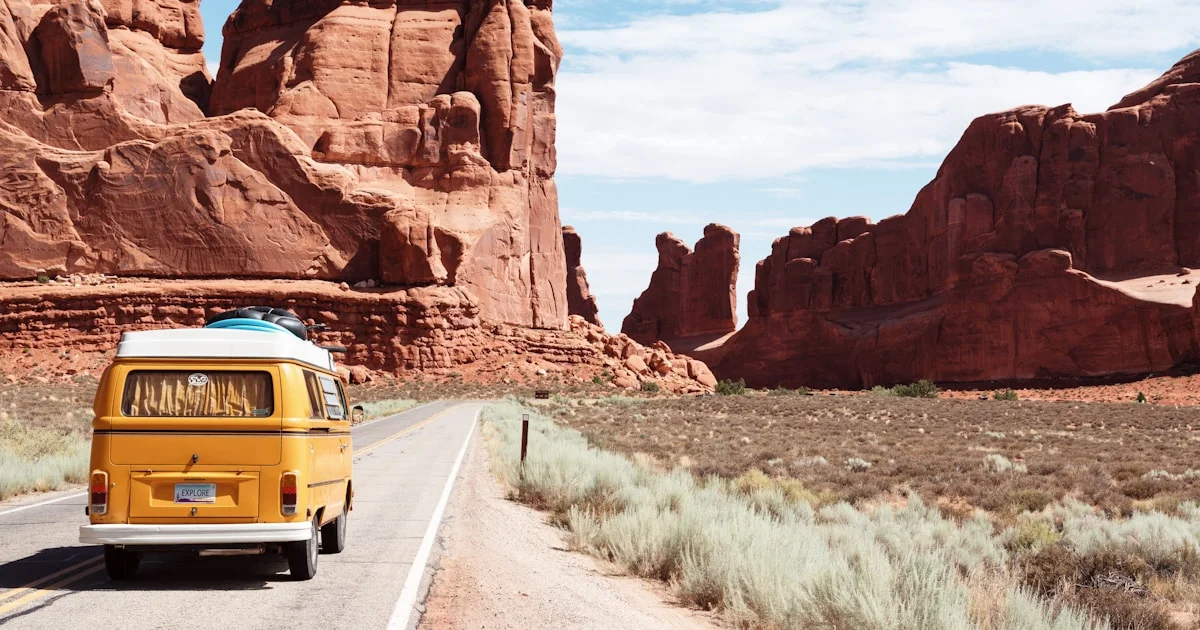
Photo by Erol Ahmed on Unsplash
You are two days into your first RV trip, cruising through Utah, when a warning light flashes on the dashboard. The engine loses power. You pull onto the shoulder, and suddenly you are facing a situation you never planned for. Rented RV mechanical issues can happen to anyone, and first-time renters are often the least prepared to handle them.
The good news is that you do not need to fix anything yourself. In fact, you should not. Your job is to stay safe, contact the right people, document what happened, and let the rental company and roadside professionals handle the rest. The bad news is that panic and confusion can lead to poor decisions, like calling the wrong number, authorizing unauthorized repairs, or forgetting to document the situation for your insurance claim.
This guide explains exactly what to do when your rented RV has mechanical issues on the road. You will learn how to secure your vehicle, who to call, what information to gather, how to handle overnight delays, and how to avoid the common mistakes that turn a minor problem into a major expense. This is not a repair guide. It is a response plan.

Photo by Erol Ahmed on Unsplash
Step One: Get Safely Off the Road
The moment you notice a problem, whether it is a warning light, unusual noise, loss of power, or smoke, your first priority is safety. Do not try to diagnose the issue while driving. Pull over.
Finding a Safe Spot
Look for a wide shoulder, a rest area, an exit ramp, or a parking lot. Avoid stopping in a traffic lane, even partially. An RV is large and hard for other drivers to see around, especially at night or in bad weather. If you cannot reach a rest area, pull as far right as possible and turn on your hazard lights immediately.
Once stopped, assess whether the RV is safely off the travel lanes. If it is not, and you cannot move it further, keep your hazard lights on, deploy warning triangles or flares if you have them, and keep all passengers inside the vehicle with seatbelts fastened until help arrives.
Secure the Vehicle
Put the RV in park and engage the parking brake. If you smell smoke or see any sign of fire, turn off the engine, evacuate all passengers to a safe distance away from traffic, and call 911 before you call the rental company. Do not open the hood if you suspect an engine fire.
If there is no sign of fire or immediate danger, leave the engine running if it will idle safely. This keeps power flowing to the house batteries and may allow roadside assistance to read diagnostic codes remotely. If the engine will not idle safely, turn it off.
Step Two: Call the Rental Company First
Your rental agreement is the most important document in this situation. Almost every RV rental includes a roadside assistance clause, and the rental company needs to be your first call after securing the vehicle. Do not call a tow truck, a local mechanic, or your personal auto insurance before calling the rental company.
What Number to Call
Before your trip, save the rental company’s roadside assistance number in your phone and write it on a card kept in the glove box. Most agreements include a 24-hour hotline. If you booked through a peer-to-peer platform, you may need to contact the owner first, who then coordinates with the platform’s roadside assistance team.
Do not rely on memory for this number. Stress and fatigue make it easy to forget even simple details. If you cannot find the number, check your rental agreement, the platform’s app, or the welcome packet provided at pickup.
What to Tell Them
When you call, have the following information ready:
- Your rental agreement or reservation number
- Your current location (use your phone’s GPS or nearest mile marker)
- A clear description of the problem (warning light, noise, smoke, loss of power)
- Whether anyone is injured
- Whether the RV is safely off the road
- Whether you have cell service for follow-up calls
- Photos of any dashboard warning lights or visible damage
The rental company will determine whether to send roadside assistance, a tow truck, a mobile mechanic, or direct you to the nearest authorized service center. Follow their instructions exactly. Going outside their process can void your coverage.
Step Three: Document Everything
Documentation protects you if there is a dispute about who is responsible for the repair cost. Start taking photos and notes as soon as you are safely stopped.
What to Photograph
- Dashboard warning lights and gauges
- Any visible smoke, leaks, or damage under the RV
- The location where you stopped (road signs, mile markers, landmarks)
- The condition of the tires if you had a blowout
- Any damage to the RV exterior caused by the mechanical issue
Write down the time the problem started, the time you called roadside assistance, and the name of the person you spoke with. Note any instructions they gave you. If you end up filing an insurance claim or disputing a charge, this timeline will be essential.
Keep All Receipts
If the rental company authorizes you to pay for something out of pocket, such as a tow or a temporary repair, keep every receipt. Take photos of the receipts as backup. Most rental agreements include a reimbursement process, but only if you have documentation.
Step Four: Handle Delays and Overnight Stays
Mechanical issues do not always get resolved quickly. A tow truck may take several hours to reach a remote location. A repair shop may need to order parts. You may end up spending an unplanned night somewhere, and you need a plan for that.
If the RV Is Still Habitable
If the mechanical issue affects only the drivetrain and the living area still has power, water, and heat or air conditioning, you may be able to stay in the RV overnight while waiting for repairs. Confirm with the rental company that this is safe. Stay in a legal parking area, such as a truck stop, rest area, or campground, not on the side of a highway.
If the RV Is Not Habitable
If the issue affects the living systems, such as a propane leak, electrical failure, or fire damage, you will need alternative lodging. Ask the rental company whether they cover hotel costs during repairs. Some agreements include this, others do not. If you have travel insurance, check whether it covers mechanical breakdowns.
Keep all hotel receipts and meal receipts. Even if the rental company does not reimburse you directly, your travel insurance or credit card benefits may cover the cost.
If You Miss Campground Reservations
If your breakdown causes you to miss prepaid campground reservations, call the campground as soon as possible. Many will refund or credit your stay if you explain the situation, especially with documentation of the breakdown. Keep records of any cancellation fees for your insurance claim.
For a full list of steps to take during an RV emergency, use our RV emergency checklist tool before and during your trip. If you are still in the planning phase, read our complete guide to renting an RV for the first time to understand what coverage options to look for before you sign a contract.
Understanding Your Rental Coverage
The financial responsibility for a breakdown depends on the cause and your coverage. This is why reading your rental agreement before you leave is critical.
Mechanical Failures vs. Operator Damage
If the breakdown is caused by a mechanical failure that is not your fault, such as a transmission failure or engine problem, the rental company typically covers the repair and may provide a replacement vehicle or prorate your rental cost. You are usually not responsible for the repair bill.
If the problem was caused by operator error, such as driving with the parking brake on, hitting a curb, or overloading the RV beyond its weight rating, you may be responsible for the full cost of repairs plus towing. This is where insurance and damage waivers come into play.
Insurance and Damage Waivers
Most rentals offer some form of damage protection or insurance. Review what it covers before you leave. Does it include towing? Does it cover mechanical failures caused by operator error? What is the deductible? If you are unsure about your coverage, take our RV insurance quiz to understand what protection you need for a first-time rental.
If you declined the rental company’s coverage and are relying on your personal auto insurance or credit card, confirm in writing what they cover for RV rentals. Many personal auto policies do not cover RVs at all, and credit card coverage is often limited to passenger vehicles.
Common Beginner Mistakes During a Breakdown
- Calling a tow truck before the rental company: Unauthorized towing can void your coverage and leave you with the full bill.
- Attempting DIY repairs: Opening panels or disconnecting components can cause more damage and may violate the rental agreement.
- Forgetting to document the issue: Without photos and timestamps, disputes about responsibility are harder to resolve.
- Not saving the roadside assistance number: Searching for it during an emergency wastes critical time.
- Ignoring dashboard warnings: Hoping a light will turn off on its own rarely ends well. Stop and call.
- Staying on the highway shoulder too long: A prolonged stop on a narrow shoulder is dangerous. Move to a safer location if possible.
Practical Checklist for Rented RV Mechanical Issues
Keep this checklist accessible during your trip:
- Rental company roadside assistance number saved in phone and written down
- Rental agreement number easily accessible
- RV pulled safely off the road with hazard lights on
- All passengers secured and safe from traffic
- Photos taken of dashboard warnings and visible issues
- Time, location, and problem description noted
- Rental company contacted and instructions received
- Name of representative and case number recorded
- All receipts saved for towing, lodging, or authorized expenses
- Campground reservations adjusted or cancelled as needed
- Travel insurance and credit card coverage reviewed if applicable
- Final documentation and photos taken after issue is resolved
What to Do After the Issue Is Resolved
Once the mechanical issue is addressed, whether through a roadside fix, a tow to a service center, or a vehicle swap, take a few final steps to protect yourself. Inspect the RV with the rental company representative or repair technician and confirm in writing that the vehicle is safe to drive. Take photos of any repairs or changes to the vehicle’s condition.
If your trip was significantly disrupted, ask the rental company about compensation. Some companies offer partial refunds, credit toward a future rental, or an extension of your rental period at no charge. This is not guaranteed, but it is worth asking, especially if the failure was not your fault.
Finally, file any insurance claims promptly. Most travel insurance and credit card benefit programs have time limits for filing claims, often 30 to 60 days. Submit your documentation, receipts, and a written account of what happened as soon as you return from your trip.
Conclusion
Rented RV mechanical issues are rare but they do happen, and first-time renters who know what to do handle them far better than those who panic. The key steps are simple: get safely off the road, call the rental company first, document everything, and follow their instructions. Do not attempt repairs, do not call unauthorized tow trucks, and do not sign anything without understanding what you are agreeing to. Save your roadside assistance number before your trip, keep your rental agreement accessible, and use the checklist above as your response plan. For more preparation tools, review our RV emergency checklist tool and take our RV insurance quiz to make sure you have the right coverage before you ever leave the lot.
Disclaimer: This guide offers general beginner educational information only. Complex RV mechanical maintenance, repairs and safety adjustments should be completed by certified RV professionals. Always follow your RV rental company and vehicle manufacturer instructions.
Quick answers